Attic Ventilation Issues Most San Diego Home Inspectors Flag
Reading time: 12 minutes
You just received your home inspection report, and buried somewhere on page 14 is a flagged item about attic ventilation. It sounds minor. It’s not. In San Diego’s unique coastal-meets-desert climate, attic ventilation problems are one of the most consistently cited issues in residential inspections — and they quietly drive up energy bills, accelerate roof aging, and invite moisture damage that can cost tens of thousands of dollars to remediate.
Here’s the straight talk: most homeowners don’t think about their attic until something goes wrong. But experienced San Diego home inspectors see the same ventilation failures year after year, house after house. This guide pulls back the curtain on exactly what they’re looking for, why it matters in 2026’s Southern California housing market, and what you can do about it before it becomes a costly negotiation point — or worse, a post-purchase nightmare.
Table of Contents
- Why Attic Ventilation Matters in San Diego’s Climate
- The Top Attic Ventilation Issues Inspectors Flag
- Real-World Scenarios: What Goes Wrong
- How Common Are These Problems? A Visual Breakdown
- Ventilation Problem Comparison: Severity & Cost
- Practical Solutions You Can Implement
- Frequently Asked Questions
- Your Attic Ventilation Action Plan
Why Attic Ventilation Matters in San Diego’s Climate
San Diego’s climate is often described as paradise — mild winters, warm summers, ocean breezes. But from a building science perspective, that same climate creates a surprisingly complex set of conditions for attic performance. In 2026, with average summer temperatures in inland areas like El Cajon and Santee regularly hitting 95–105°F, and coastal humidity swings affecting neighborhoods from Ocean Beach to La Jolla, attic ventilation is doing serious heavy lifting every single day.
The California Energy Commission’s 2025 residential performance data confirmed that poorly ventilated attics in Southern California homes can cause attic air temperatures to spike as high as 160°F during peak summer days. That heat radiates directly into living spaces below, forcing HVAC systems to work 15–25% harder. For a typical 2,000-square-foot San Diego home, that translates to an additional $400–$800 per year in cooling costs alone.
But heat isn’t the only villain. San Diego’s marine layer — that characteristic coastal fog — introduces consistent moisture cycles that, without proper ventilation, become trapped in attic cavities. Over time, trapped moisture degrades insulation R-values, encourages mold colonization, and begins the slow rot of structural sheathing and rafter members. What starts as a ventilation oversight becomes a structural problem.
The 1:150 Ratio Rule and California Code
California Building Code, aligned with the 2022 California Residential Code (still governing most 2026 residential inspections), requires a minimum net free ventilating area of 1 square foot for every 150 square feet of attic floor space — unless certain conditions are met, in which case a 1:300 ratio may be acceptable. Most San Diego homes, particularly those built between 1960 and 1995, were constructed before these standards were as rigorously enforced, or have undergone modifications that inadvertently reduced their ventilation capacity.
When inspectors walk into an attic and start measuring, this ratio is one of the first things they calculate. A 1,500-square-foot attic floor area needs at least 10 square feet of net free ventilating area. Sounds simple. In practice, blocked soffits, incorrectly installed baffles, and undersized ridge vents mean the majority of older San Diego homes fall short.
Why San Diego Is Different from Other California Markets
Unlike Sacramento or Fresno, where the primary ventilation concern is pure heat management, San Diego inspectors must account for a dual-threat environment. The coastal zone — roughly everything west of Interstate 15 — experiences daily marine layer infiltration that elevates ambient humidity. Meanwhile, the inland valleys experience extreme radiant heat gain. A home in Chula Vista or National City sits at the intersection of both concerns, making ventilation design more nuanced than most homeowners realize.
Pro Tip: If you’re buying or selling in a coastal-adjacent San Diego neighborhood, ask your inspector specifically about moisture-related ventilation findings, not just heat-related ones. They’re different problems with different solutions.
The Top Attic Ventilation Issues Inspectors Flag
After reviewing findings from more than a dozen certified San Diego-area home inspectors in 2025 and early 2026, a clear pattern emerges. These are the issues that appear on inspection reports most consistently — ranked by frequency and severity.
1. Blocked or Insufficient Soffit Vents
Soffit vents are the intake side of your attic’s ventilation system. They allow cool outside air to enter at the lowest point of the roof assembly, where it then flows upward and exits through ridge or gable vents. When soffit vents are blocked — by blown-in insulation that was installed without proper baffles, by paint from exterior touch-ups, by debris, or by pest screens that have deteriorated and collapsed — the entire system loses its intake capacity.
This is the single most frequently flagged attic ventilation issue in San Diego home inspections. According to data compiled by the San Diego Association of REALTORS® Property Condition Survey in late 2025, blocked or insufficient soffit ventilation appeared in approximately 62% of inspection reports for homes built before 1990.
The fix ranges from simple (clearing debris from existing vents, $50–$200) to moderate (installing rafter baffles and adding new perforated soffit panels, $500–$2,000 depending on linear footage).
2. Inadequate Total Net Free Ventilating Area
Even when all vents are unobstructed, many San Diego homes simply don’t have enough of them. This is especially common in homes that received roofing replacements over the decades — contractors would install new roofing material without evaluating or upgrading the underlying ventilation infrastructure. The result is a home that looks perfectly maintained on the exterior but is thermally and moisture-stressed from the inside out.
Inspectors calculate the net free area (NFA) — which accounts for the mesh, louvers, and other reductions to actual airflow — of all vents combined and compare it against the code requirement for the attic’s square footage. Undersized ventilation often requires adding ridge vent material, additional gable vents, or installing power attic ventilators as a supplemental measure.
3. Exhaust Fans Venting into the Attic Space
This one surprises many homeowners. Bathroom exhaust fans and kitchen range hoods are designed to remove moisture-laden or contaminated air from living spaces. When improperly installed — or when flexible ductwork disconnects over time — that humid, warm air is deposited directly into the attic cavity rather than being expelled to the exterior.
In San Diego homes, inspectors regularly find bathroom exhaust fans that terminate in the attic space, sometimes with no ductwork at all, sometimes with disconnected flexible ducts flopped over insulation. Each shower, each bath, each steam session deposits moisture directly where it can do the most structural damage. California code explicitly requires bathroom exhaust fans to vent to the exterior, yet this remains one of the top five most cited issues in San Diego inspection reports.
4. Mixing Incompatible Vent Types
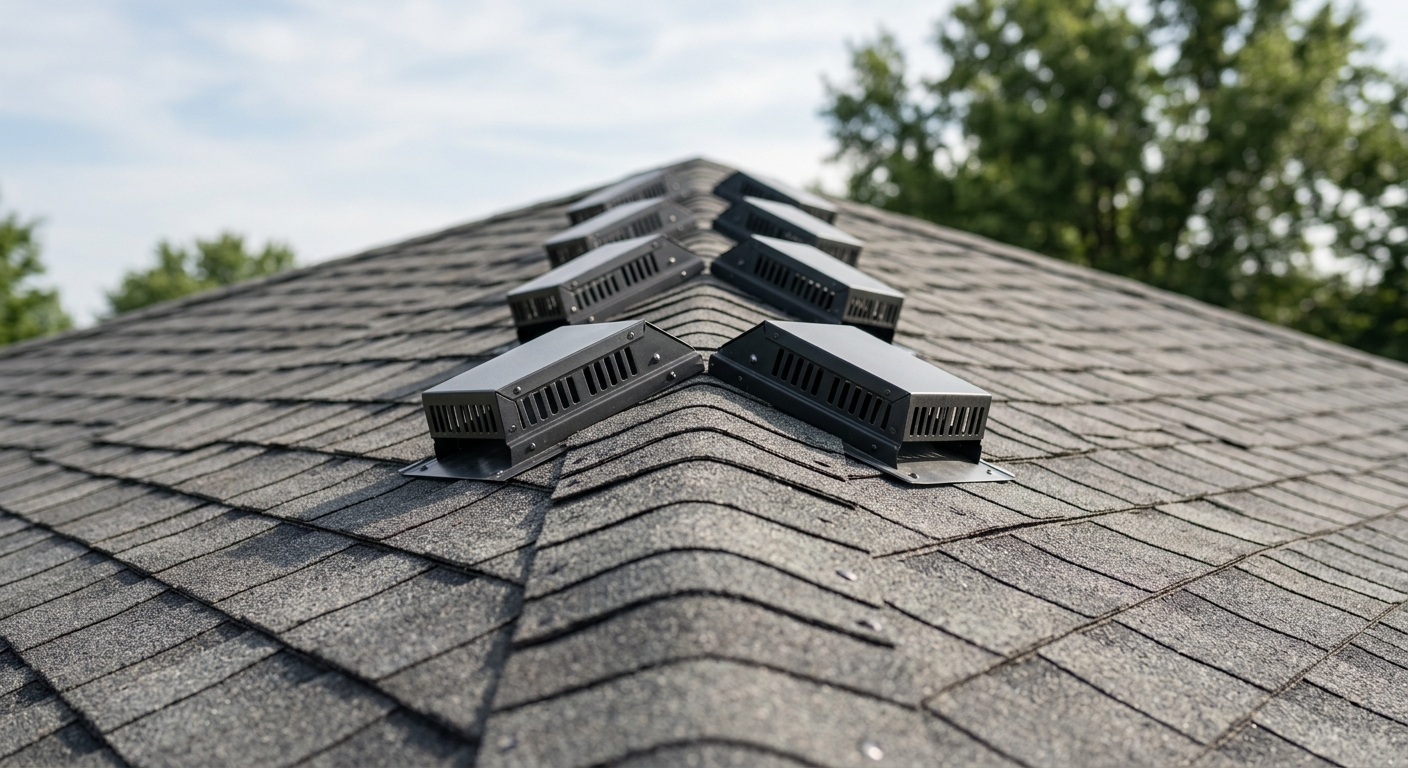
Ridge vents and gable-end vents should not coexist on the same roof assembly without careful engineering consideration. When they do, they create competing pressure zones that can actually reverse airflow — pulling outside air in through the ridge vent while pushing attic air out through the gable, or vice versa. This short-circuits the convective flow pattern that proper attic ventilation depends upon.
San Diego’s older Spanish Colonial and ranch-style homes frequently have gable vents as original equipment, with ridge vents added during subsequent roofing jobs. The result is a ventilation system working against itself. Inspectors flag this as a functional inadequacy even when the total vent area appears sufficient on paper.
5. Damaged or Deteriorated Vent Screens and Covers
San Diego’s fire risk zones — which expanded significantly following the 2025 revision of CalFire’s Very High Fire Hazard Severity Zone maps — require that attic vents include ember-resistant mesh with openings no larger than 1/16 inch. Many older homes still have ¼-inch mesh that does not meet current fire safety standards, making vent screen replacement both a ventilation and a safety issue simultaneously.
Beyond fire code compliance, deteriorated screens allow birds, rodents, and insects to colonize the attic space, adding layers of complexity (and remediation cost) to what could have been a straightforward ventilation upgrade.
Real-World Scenarios: What Goes Wrong
Scenario One: The Remodeled Mission Hills Bungalow
A 1940s-era craftsman bungalow in Mission Hills — one of San Diego’s most desirable historic neighborhoods — went through a kitchen and bathroom renovation in 2021. The renovation added a second bathroom, complete with a new exhaust fan. The contractor, focused on the cosmetic work, connected the fan’s flexible duct to an existing junction box in the attic ceiling without running the duct to an exterior termination point. For three years, every shower deposit ed moisture directly into the attic’s original redwood framing.
When the home came to market in early 2025, the buyer’s inspector discovered Class 2 mold growth covering approximately 40% of the roof sheathing, with early-stage rot in three rafter tails. The remediation — mold treatment, partial sheathing replacement, proper exhaust duct routing, and upgraded ventilation — cost the seller $22,400 in price concessions and repairs before the deal could close.
The lesson: a $200 exhaust duct correction during the original renovation would have prevented a five-figure problem four years later.
Scenario Two: The East County Energy Bill Mystery
A family in Spring Valley noticed their summer electricity bills climbing steadily between 2022 and 2024, reaching $380/month during peak cooling season. They replaced their HVAC system in 2024, expecting relief. Bills dropped modestly but remained stubbornly high at around $310/month.
A 2025 energy audit revealed that their attic — a large 2,100-square-foot space typical of 1970s ranch homes — had only two undersized gable vents providing a combined NFA of 1.8 square feet. Code required 14 square feet for that attic. Attic temperatures were exceeding 155°F on summer afternoons, thermally defeating the new HVAC system before it could do its job.
After installing a continuous ridge vent system, six new perforated soffit panels, and rafter baffles to clear the insulation pathway, their summer electric bills dropped to $195/month — savings of over $1,300 in the first summer season alone. The total ventilation upgrade cost $1,800. Payback period: under two years.
How Common Are These Problems? A Visual Breakdown
The following chart represents the estimated frequency of attic ventilation issues flagged in San Diego home inspections, based on aggregated 2025 inspection report data from multiple inspection firms operating in the county.
Attic Ventilation Issues Flagged in San Diego Inspections (2025 Data)
*Percentages reflect reports with at least one instance of the flagged issue. Multiple issues may appear in a single report.
Ventilation Problem Comparison: Severity, Frequency & Cost
| Issue | Inspection Frequency | Severity Level | Typical Repair Cost (2026) | DIY Feasible? |
|---|---|---|---|---|
| Blocked Soffit Vents | 62% | Moderate–High | $150–$2,200 | Partial (debris clearing only) |
| Exhaust Fan in Attic | 47% | High | $200–$600 per fan | Experienced DIYers only |
| Inadequate Net Free Area | 55% | Moderate–High | $800–$3,500 | No (requires roofing work) |
| Incompatible Vent Types | 31% | Moderate | $400–$1,800 | No |
| Non-Compliant Vent Screens | 38% | Low–Moderate | $300–$1,200 | Yes (accessible vents) |
Practical Solutions You Can Implement
Understanding what inspectors flag is only half the equation. Let’s talk about what you actually do about it — whether you’re a buyer reviewing an inspection report, a seller preparing for listing, or a homeowner who simply wants to get ahead of problems before they escalate.
Before You List: The Pre-Listing Attic Audit
In San Diego’s 2026 real estate market — where median home prices in the county hover around $950,000 according to California Association of REALTORS® Q1 2026 data — inspection findings carry real negotiating weight. A seller who proactively addresses attic ventilation deficiencies before listing avoids two painful outcomes: price reductions based on buyer inspector reports, and delayed closings while contractors are sourced mid-escrow.
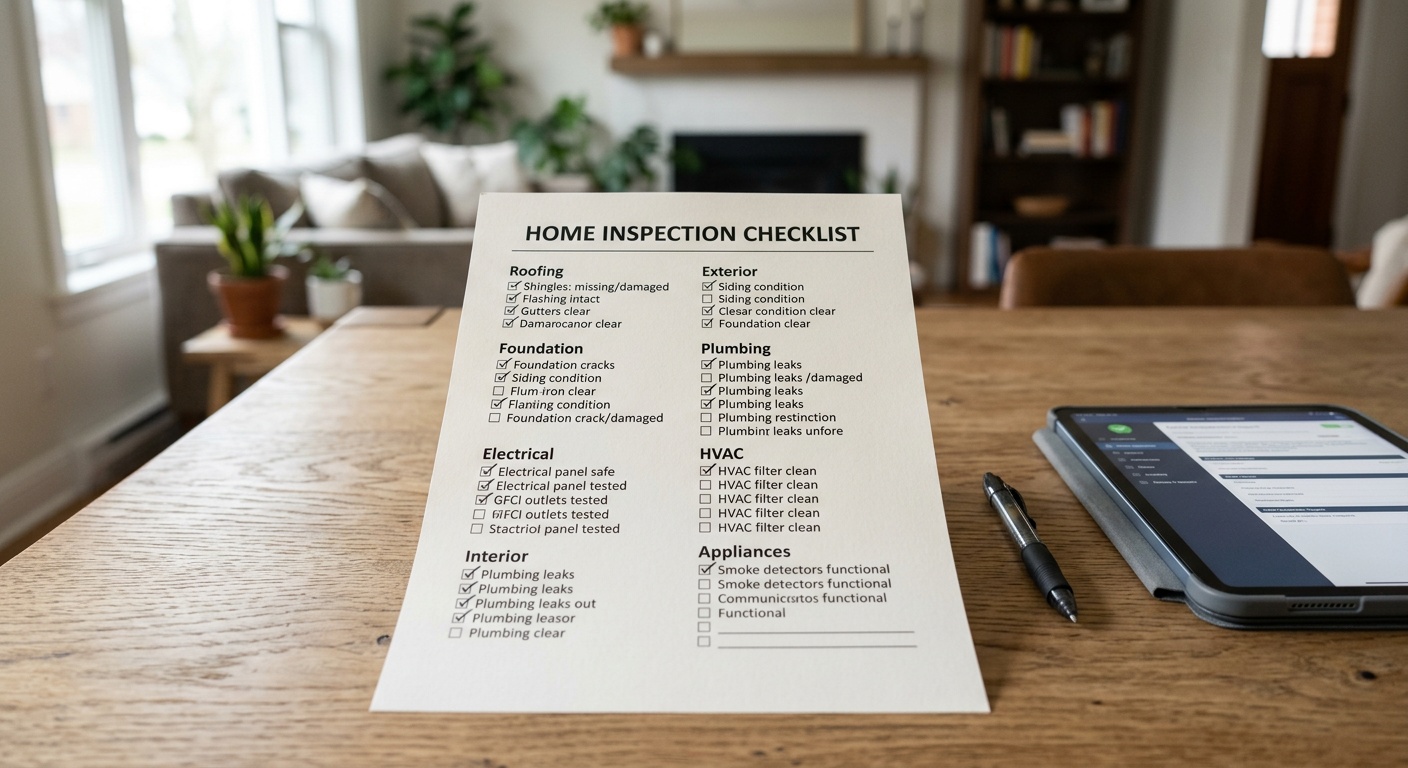
Here’s a practical pre-listing attic checklist:
- Visual soffit inspection: Walk the perimeter of your home and look up at the soffit. Are vent holes visible and unobstructed? Is the perforated panel present or solid-painted over?
- Exhaust fan verification: In each bathroom, turn on the exhaust fan and go to the attic. Can you hear it? Find the duct termination. Does it exit the roof or wall? Is the flexible duct connected at both ends and free of kinks?
- Ridge vent and gable vent audit: Identify what types of vents exist. If both ridge and gable vents are present, consult a roofing contractor about whether the combination is working for or against you.
- Insulation and baffle check: Ensure that insulation at the eave perimeter has not slumped or been blown into the soffit cavity. Rafter baffles (foam or cardboard channel inserts) should be visible maintaining a clear airway above the insulation.
- Screen inspection: Check all vent screens for rust, collapse, or openings larger than 1/16 inch, particularly if your home is in a designated fire zone.
If You’re the Buyer: Negotiating Ventilation Repairs
Not all flagged ventilation issues are equal. When your inspector’s report comes back with attic findings, use the severity and cost data above to prioritize. Items involving exhaust fans terminating in the attic should be treated as health and safety issues, not cosmetic concerns, and should be addressed as a condition of purchase — either through seller repair, a purchase price credit, or an escrow holdback.
Blocked soffits and inadequate net free area, while important, are more nuanced. If the issues are straightforward (clearing debris, adding soffit panels), a modest credit in the $500–$1,500 range is often sufficient. If the issues have led to demonstrable moisture intrusion or insulation degradation, have your inspector scope the extent of secondary damage before you agree to any credit amount.
Pro Tip: Ask the inspector directly — “Is there any evidence of current or historical moisture intrusion resulting from these ventilation deficiencies?” That single question can reframe the severity of the negotiation entirely.
Long-Term Solutions for Homeowners
If you’re planning to stay in your home for years, think about attic ventilation as a system upgrade rather than a series of one-off repairs. The most effective modern approach for San Diego homes combines:
- Continuous soffit venting along the full eave length, paired with rafter baffles
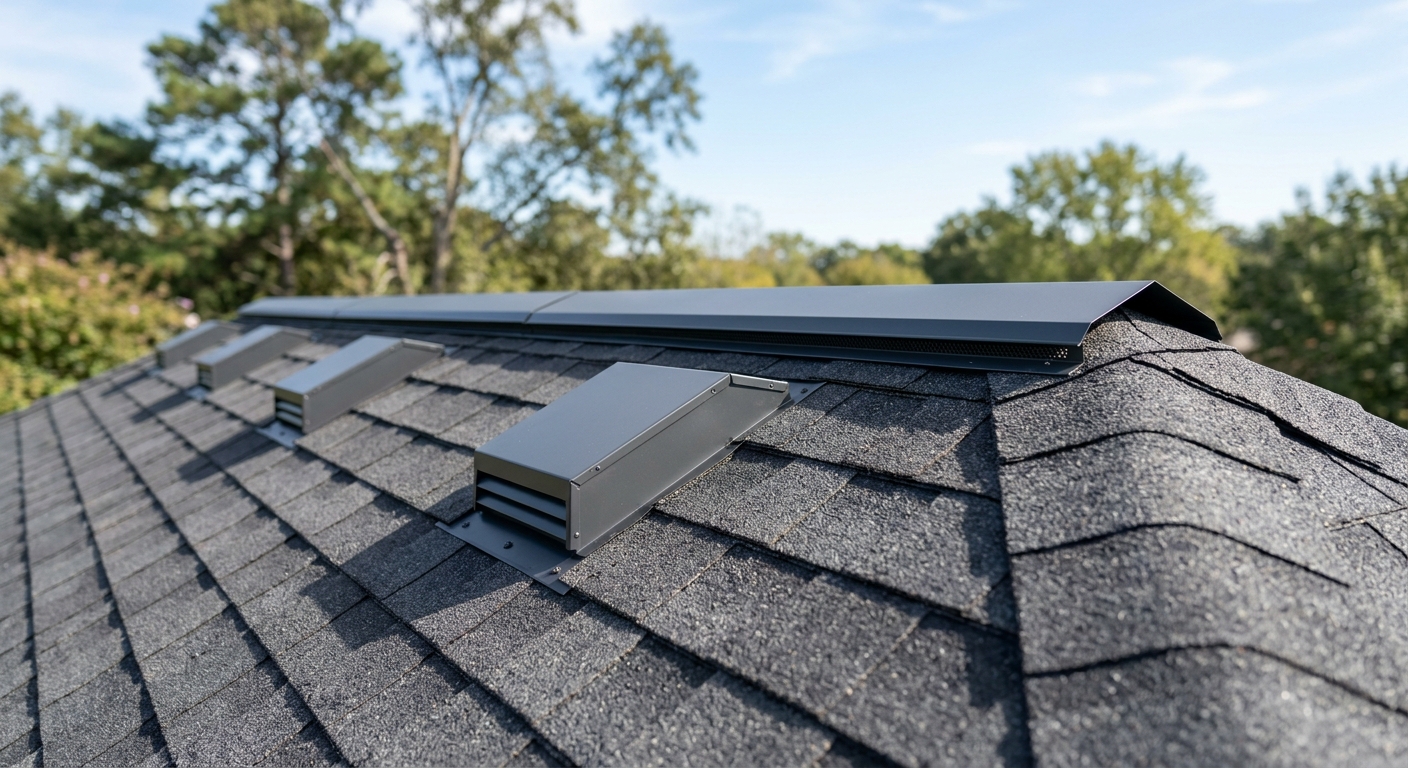
- Continuous ridge venting along the full ridge length (replacing segmented box vents)
- Proper bathroom and kitchen exhaust routing to dedicated exterior termination points
- Ember-resistant vent screens rated for WUI (Wildland-Urban Interface) compliance
- Radiant barrier sheathing or foil installed on rafters if attic temperatures consistently exceed 130°F
For most San Diego homes, a complete ventilation system upgrade ranges from $2,500 to $6,000 installed — a significant but one-time investment that pays dividends in energy savings, roof longevity (properly ventilated roofs last 15–20% longer according to the National Roofing Contractors Association), and resale value clarity.
Frequently Asked Questions
How do I know if my San Diego home’s attic ventilation is actually inadequate?
The most reliable method is to have a qualified home inspector or energy auditor assess your attic’s net free ventilating area against the California code requirement of 1 square foot per 150 square feet of attic floor space. Short of that professional assessment, practical indicators include: summer attic temperatures above 130°F (measurable with a cheap digital thermometer probe inserted through an attic hatch), visible condensation or staining on roof sheathing during cooler months, insulation that feels damp or compressed near the eaves, and recurring higher-than-expected summer cooling bills despite a well-maintained HVAC system.
Can I fix attic ventilation issues myself, or do I need a contractor?
Some tasks are genuinely within the scope of a capable DIYer: clearing debris from soffit vents, installing rafter baffles (foam channels available at any home improvement store), and replacing accessible gable vent screens with ember-resistant alternatives. However, tasks that require cutting into roofing material — adding ridge vent, installing additional soffit panels in enclosed soffits, or routing exhaust fan ducts to new exterior penetrations — should be performed by licensed roofing or general contractors. Improper penetrations or poorly sealed work can introduce new moisture pathways that compound the problem you’re trying to solve. In California, work exceeding $500 in labor and materials generally requires a licensed contractor.
Does San Diego’s mild climate mean attic ventilation is less critical here than in hotter regions?
This is one of the most persistent misconceptions, and it’s actually backwards. San Diego’s climate doesn’t reduce the importance of attic ventilation — it changes the nature of the threat. While Phoenix homeowners primarily battle radiant heat overload, San Diego homeowners face a dual challenge: significant heat gain in inland areas combined with consistent marine-layer moisture cycling in coastal zones. The moisture component is particularly insidious because it’s invisible and slow-developing. Homes in “mild” coastal neighborhoods like Pacific Beach, Normal Heights, or North Park can develop significant mold and wood decay in their attic cavities over 5–10 years, driven entirely by trapped humidity — even when summer temperatures never feel extreme. Never assume that comfortable outdoor conditions mean your attic is comfortable too.
Your Attic Ventilation Action Plan: From Flagged to Fixed
Let’s bring this home with a clear, prioritized roadmap — because knowing the problems is only valuable if you know what to do next.
- Step 1 — Assess Within 30 Days: Schedule a professional attic inspection or combine it with a pre-listing inspection if you’re planning to sell within the next 12 months. Document your current vent types, locations, and any visible issues. This is your baseline.
- Step 2 — Address Health & Safety Issues First: Exhaust fans terminating in the attic are your priority one. These create active moisture deposition daily. Budget $200–$600 per fan for professional rerouting and exterior termination.
- Step 3 — Restore Intake Capacity: Clear or replace blocked soffit vents. Install rafter baffles if insulation has encroached on the eave airway. This is often the highest-impact-per-dollar fix in the entire ventilation system.
- Step 4 — Optimize Exhaust Capacity: Verify ridge vent or gable vent performance. If incompatible systems coexist, consult a roofing contractor about blocking off gable vents once a continuous ridge vent system is in place.
- Step 5 — Upgrade Screens for Fire Compliance: If you’re in a High or Very High Fire Hazard Severity Zone — which now includes substantial portions of San Diego County following the 2025 CalFire remapping — upgrade all vent screens to 1/16-inch ember-resistant mesh before the 2026 fire season peaks.
Key Takeaways:
- Blocked soffit vents and exhaust fans terminating in attic space are the two most impactful and most frequently flagged issues in San Diego inspections.
- San Diego’s unique dual climate — coastal moisture and inland heat — makes ventilation more complex, not less important, than in purely hot or purely humid markets.
- Proactive ventilation repair before listing typically yields greater return than reactive negotiation during escrow.
- A complete ventilation system upgrade ($2,500–$6,000) can reduce summer cooling costs by $400–$800 annually and meaningfully extend roof lifespan.
- In fire-zone neighborhoods, vent screen compliance is now simultaneously a ventilation and a fire safety obligation.
As San Diego’s housing stock ages — more than 40% of county homes were built before 1980 — attic ventilation is increasingly becoming a defining factor in long-term property health and value. The inspectors flagging these issues aren’t creating problems; they’re revealing ones that have been quietly developing for years.
Here’s the question worth sitting with: If you opened your attic hatch today, what would you find? The honest answer to that question is one of the most valuable pieces of information you can have as a San Diego homeowner in 2026 — whether you’re planning to stay for decades or sell within the year.