Home Renovation Return on Investment for Southern California Properties
Reading time: 14 minutes
You’ve probably heard the classic real estate mantra: location, location, location. But in Southern California’s hyper-competitive 2026 housing market, there’s a powerful addendum worth considering — renovation, renovation, renovation. The difference between a $1.1 million listing and a $1.4 million sale can often be traced back to a well-placed kitchen remodel or a thoughtfully designed accessory dwelling unit (ADU).
Here’s the straight talk: Not every renovation dollar you spend translates into a dollar gained at sale. In fact, some upgrades that feel luxurious can actually underperform at resale, while more modest improvements deliver outsized returns. Knowing the difference is the real competitive advantage in today’s Southern California market.
This guide digs into the numbers, the nuances, and the neighborhood dynamics that determine which renovations will pay you back — and which ones will drain your equity without a second glance from buyers.
Table of Contents
- The 2026 SoCal Market Landscape
- Top ROI Renovations for SoCal Homes
- Renovations That Underperform in SoCal
- Real Case Studies: Wins and Lessons
- ROI Comparison Table
- ROI at a Glance: Visual Breakdown
- Common Renovation Challenges and How to Overcome Them
- FAQs
- Your Southern California Renovation Roadmap
The 2026 SoCal Market Landscape: Why Renovation ROI Matters More Than Ever
Southern California’s housing market in 2026 is a study in contradictions. Median home prices across the Los Angeles metro area have stabilized near $875,000 after the volatile swings of 2023–2025, while inventory remains historically tight. The California Association of Realtors reported that active listings in Los Angeles, Orange, San Diego, and Riverside counties are still running roughly 22% below pre-pandemic norms as of early 2026.
What does that mean for homeowners? Buyers are plentiful, but they’re also savvy. With mortgage rates hovering between 6.1% and 6.6% for 30-year fixed loans, affordability is stretched thin. Buyers are laser-focused on move-in ready properties — and they’re willing to pay a meaningful premium to avoid taking on renovation projects themselves after absorbing a large down payment.
This creates a unique window of opportunity for homeowners who renovate strategically before listing. According to a 2025 National Association of Realtors survey, 82% of buyers in high-cost markets like Los Angeles and San Diego said they would pay at least 5–7% more for a recently updated kitchen or bathroom. That’s real money on a $900,000 property.
At the same time, SoCal’s climate, lifestyle culture, and demographic profile mean that what works in a Chicago suburb may completely miss the mark in Pasadena or Encinitas. Outdoor living spaces, energy efficiency, and multi-generational housing configurations are uniquely valued here — and smart renovation planning accounts for these regional preferences.
Defining ROI in the Renovation Context
Before diving into specific projects, let’s align on what “return on investment” actually means in home renovation. It’s not simply a dollar-for-dollar exchange. ROI in this context is typically expressed as the percentage of renovation costs recouped through increased sale price or appraised value.
For example: If you spend $35,000 on a kitchen remodel and your home sells for $50,000 more than comparable non-renovated homes, your ROI is approximately 143%. But if you spend $100,000 on a swimming pool addition and your sale price increases by only $40,000, your ROI drops to 40% — meaning you’ve effectively lost $60,000 in net terms.
There’s also a secondary ROI metric that matters: time on market. Renovated homes in SoCal typically sell 18–24 days faster than comparable unrenovated properties, according to Zillow’s 2025 market report. Speed matters enormously when you’re carrying mortgage costs and opportunity costs during a listing period.
Top ROI Renovations for Southern California Homes
Southern California buyers in 2026 have clear preferences shaped by climate, lifestyle, and the unique economics of the region. The following project categories consistently deliver strong returns when executed well.
Kitchen Remodels: The Undisputed Leader
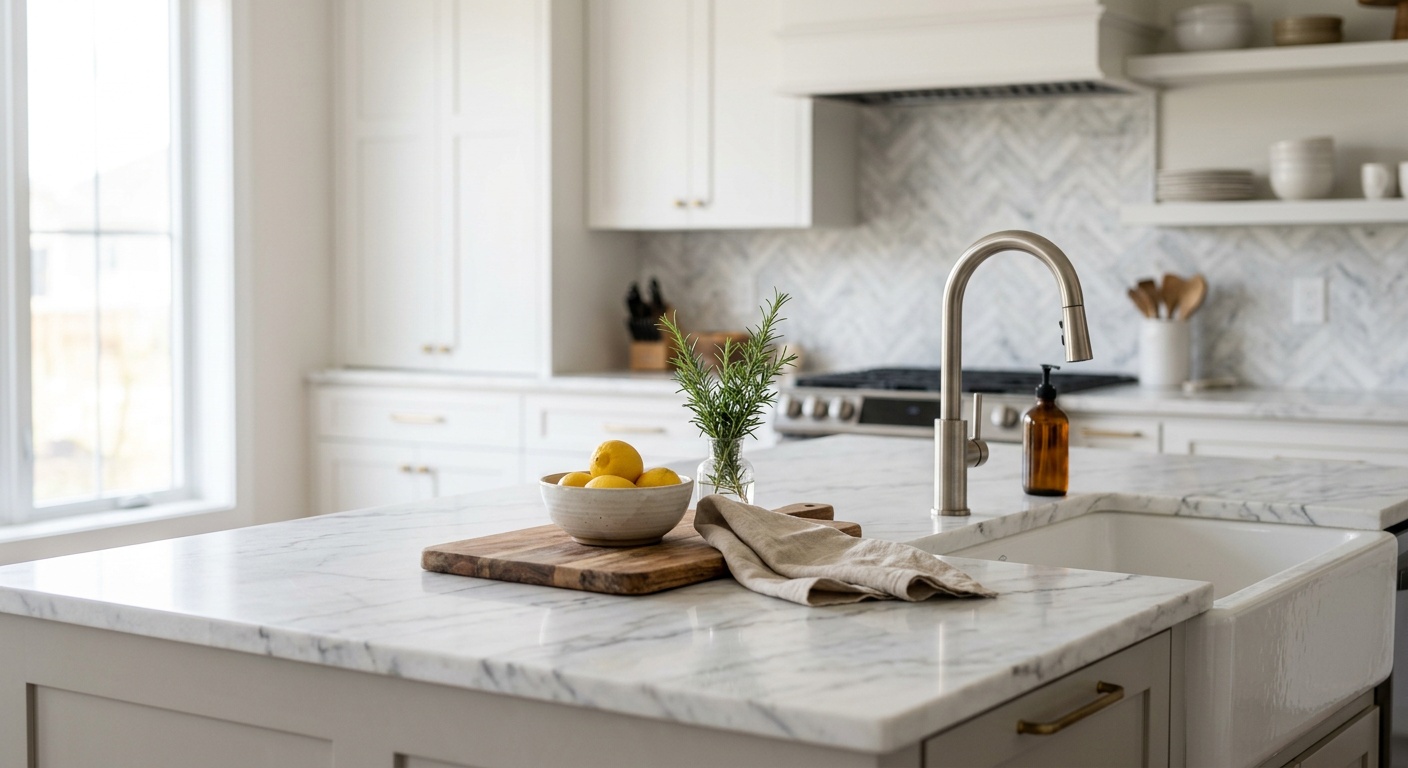
A mid-range kitchen remodel remains the single highest-ROI renovation in the Southern California market. Remodeling Magazine’s Cost vs. Value Report for the Pacific region (which includes SoCal) estimated a 78–85% average cost recoupment for mid-range kitchen remodels in 2025, and that figure is tracking similarly in 2026 given continued buyer demand for updated kitchens.
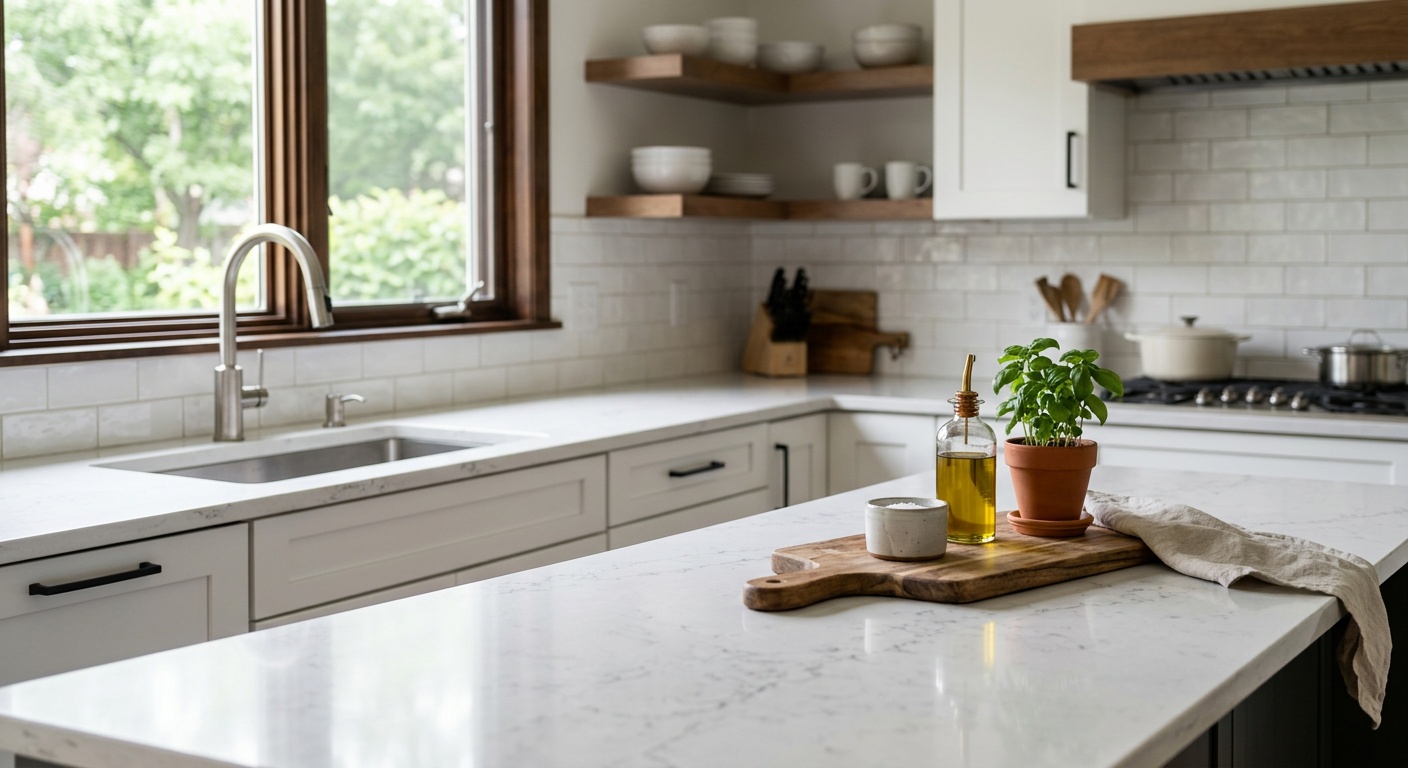
The key distinction here is mid-range versus upscale. A $25,000–$45,000 kitchen refresh — think quartz countertops, new cabinet fronts, a modern backsplash, and updated appliances — tends to dramatically outperform a $90,000–$130,000 full gut renovation in terms of ROI percentage. Buyers can see the value clearly in the mid-range refresh. With the premium renovation, you risk over-improving for your neighborhood’s price ceiling.
Pro Tip: In SoCal kitchens, open-plan layouts with large islands are a particularly strong selling feature. If your kitchen is currently closed off, even a modest structural change to open it toward the living area can push ROI above 90% when combined with cosmetic updates.
ADU Construction: The SoCal-Specific Powerhouse
Accessory Dwelling Units — garage conversions, detached backyard studios, above-garage apartments — have become a defining renovation trend unique to California’s housing landscape. AB 68 and subsequent state legislation have dramatically streamlined ADU permitting, and as of 2026, a well-constructed ADU in Los Angeles County can add $150,000–$300,000 in appraised value while costing $120,000–$200,000 to build.
The ROI on ADUs varies by submarket. In higher-density areas like Silver Lake, Culver City, or Chula Vista, ADU construction ROI often exceeds 120%. In more spacious, lower-density markets like parts of the Inland Empire, returns are more moderate — typically 75–90%. The rental income potential is also a significant factor: a one-bedroom ADU in West Los Angeles can command $2,200–$2,800 per month in rent, which buyers will factor heavily into their willingness to pay a premium.
Bathroom Renovations: High Visibility, Solid Returns
Primary bathroom renovations consistently rank among the top three highest-ROI projects in SoCal. A mid-range primary bath remodel — walk-in shower with frameless glass, double vanity, updated tile — typically runs $18,000–$32,000 and returns 70–80% of that cost in increased value.
Secondary bathroom updates are even more cost-efficient. A $7,000–$12,000 guest bathroom refresh (new vanity, toilet, tile floor, refreshed shower surround) can return 80–90% of costs simply by eliminating a buyer objection. In SoCal’s competitive multiple-offer environment, a dated bathroom is one of the top reasons buyers adjust their offers downward or walk away entirely.
Energy Efficiency Upgrades: California’s Rising Star
California’s Title 24 energy codes and buyer awareness around utility costs have made energy efficiency a genuine ROI driver in 2026. Solar panel installations, energy-efficient HVAC systems, enhanced insulation, and smart home energy management systems are increasingly valued — particularly in inland markets like the San Fernando Valley and Inland Empire where summer cooling costs are substantial.
A 7–10 kW solar installation that costs $22,000–$28,000 after federal tax credits (the 30% Residential Clean Energy Credit remains in place through 2032) typically adds $20,000–$30,000 in appraised value and serves as a compelling marketing point. The Lawrence Berkeley National Laboratory found that California homes with solar sell for an average 3.5–4.1% premium compared to equivalent non-solar homes — that’s $30,000–$36,000 on an $875,000 property.
Outdoor Living Spaces: SoCal’s Secret Weapon
Nowhere in the country benefits more from outdoor living investment than Southern California. A professionally designed outdoor kitchen and entertaining area — covered patio, built-in BBQ, hardscaping, ambient lighting — costing $25,000–$50,000 can return 65–75% of costs while dramatically accelerating sale timelines. Buyers in SoCal fundamentally price outdoor usable square footage in a way that buyers in, say, Minnesota simply do not.
Drought-resistant landscaping deserves special mention here. With California’s ongoing water conservation initiatives and the ongoing threat of water restrictions, buyers in 2026 are increasingly viewing low-water native landscaping as a positive feature rather than a compromise. A $10,000–$18,000 xeriscape project can return 80–90% of costs in certain submarkets like Rancho Santa Fe or Palos Verdes, where curb appeal is especially prized.
Renovations That Underperform in Southern California
Strategic renovation means knowing not just where to invest, but where to hold back. These projects frequently disappoint SoCal homeowners expecting a strong resale return.
- Swimming pools: Counterintuitively, pools often deliver only 40–55% ROI in most SoCal submarkets. Buyers factor in maintenance costs ($3,000–$6,000/year), liability concerns, and the loss of backyard usable space. Exceptions exist in ultra-luxury markets above $3M where pools are expected.
- Home office conversions: Converting a bedroom to a dedicated home office can actually reduce appraisals by eliminating a bedroom count. In a market where bedroom count is a primary pricing driver, this is a costly mistake. A flex-room approach preserves value.
- Highly personalized aesthetics: Bold paint colors, unconventional tile choices, or ultra-niche design themes (think ultra-modern minimalism in a traditional Craftsman neighborhood) tend to alienate more buyers than they attract.
- Over-the-top master suite additions: Adding a large primary suite addition costing $150,000+ rarely returns more than 50–60% in value. The square footage cost of additions in SoCal makes them structurally challenging to recoup.
- Sunrooms and four-season rooms: Given SoCal’s climate, buyers don’t place a premium on enclosed sunrooms the way buyers in colder climates do. A covered patio serves the same function at a fraction of the cost.
Real Case Studies: Wins and Lessons Learned
Case Study 1: The Culver City Kitchen Catalyst
In late 2024, a homeowner in Culver City undertook a $38,000 mid-range kitchen remodel before listing their 1,850 sq ft bungalow. The project included quartz countertops, new shaker cabinet fronts (keeping existing cabinet boxes), a subway tile backsplash, new stainless appliances, and a partial wall removal to open the kitchen to the dining area.
The home sold in February 2025 for $1,285,000 — approximately $95,000 above what three comparable unrenovated homes in the same block had sold for over the previous six months. After subtracting renovation costs, the net gain attributable to the kitchen was approximately $57,000, representing an ROI of roughly 150%. The listing agent noted the home received four offers within five days, and the kitchen was cited as the primary attraction by all four buyers.
Case Study 2: The Inland Empire ADU Addition
A Riverside County homeowner in the Jurupa Valley area converted their detached two-car garage into a fully permitted 480 sq ft one-bedroom ADU in 2025, spending approximately $142,000 on construction, permits, and finishing. The ADU was rented for eight months before the property was listed in early 2026.
The home sold for $695,000 — a premium of approximately $118,000 over comparable single-family homes without ADUs in the same neighborhood. The tenant income history ($1,650/month) was included in the marketing materials and proved persuasive to the eventual buyer, who was a small landlord-investor. The ROI on the ADU construction was approximately 83%, with the added benefit of roughly $13,200 in rental income collected during the interim period.
Case Study 3: The Over-Improved Encino Pool (A Cautionary Tale)
A homeowner in Encino invested $85,000 in a full pool and spa installation in 2024, expecting it to push their home into the next price bracket. When the property listed in late 2025, comparable analysis showed only a modest $35,000–$40,000 premium over equivalent non-pool homes in the area. After carrying costs, the homeowner effectively lost approximately $47,000 on the project — a painful but instructive lesson in the limits of SoCal pool ROI outside the luxury tier.
ROI Comparison Table: Key Renovation Projects in SoCal (2026)
| Renovation Project | Avg. Cost Range | Est. Value Added | SoCal ROI % | Market Speed Impact |
|---|---|---|---|---|
| Mid-Range Kitchen Remodel | $25K–$45K | $35K–$65K | 78–150% | High (+) |
| ADU Construction | $120K–$200K | $100K–$280K | 75–130% | Very High (+) |
| Bathroom Renovation (Primary) | $18K–$32K | $15K–$28K | 70–80% | Moderate (+) |
| Solar Panel System | $22K–$28K (after credits) | $20K–$36K | 80–120% | Moderate (+) |
| Swimming Pool Addition | $65K–$95K | $28K–$50K | 40–55% | Neutral/Low |
ROI at a Glance: Visual Breakdown
Here’s a quick visual comparison of average ROI percentages for the most common SoCal renovation projects in 2026:
Average Renovation ROI — Southern California 2026
*Figures represent midpoint estimates. Actual ROI varies by submarket and project quality.
Common Renovation Challenges in SoCal and How to Overcome Them
Challenge 1: Permitting Delays and Cost Overruns
Southern California’s municipalities are notoriously slow with building permits. In Los Angeles City alone, the average permit approval time for a kitchen or bathroom remodel ran 6–10 weeks in 2025 — longer for structural changes. ADU permits averaged 3–5 months. These delays add carrying costs and can push renovation projects past optimal listing windows.
How to overcome it: Hire a contractor with demonstrable permit-expediting experience in your specific city or county. Pre-submission meetings with plan checkers, available in most SoCal municipalities, can identify likely correction requests before you submit — potentially saving 4–6 weeks. For ADUs specifically, using a pre-approved plan design (LA City, for example, maintains a library of pre-approved ADU designs) can cut permitting timelines dramatically.
Challenge 2: Contractor Availability and Quality Control
SoCal experienced an ongoing skilled trades shortage through 2024–2025 that has only partially recovered in 2026. Vetting contractors thoroughly is critical, particularly as demand for ADU construction and kitchen remodels has kept good contractors booked 3–4 months in advance in many submarkets.
How to overcome it: Don’t rely solely on Yelp or Google reviews. Ask for five references from completed projects within the past 18 months — specifically from projects similar in scope to yours. Verify contractor licensing through the California Contractors State License Board (CSLB) website, and require a written, itemized contract before any payment. A structured payment schedule tied to milestone completion (rather than calendar dates) protects you from contractors who start strong and lose focus.
Challenge 3: Over-Improving for the Neighborhood Price Ceiling
This is perhaps the most common strategic error in SoCal renovation — and one that real estate professionals encounter repeatedly. Every neighborhood has an effective price ceiling, the maximum price that buyers in that area are willing to pay regardless of the individual property’s upgrades. Spending $200,000 on renovations in a neighborhood where the top-of-market sale is $850,000 will not push your home to $1,050,000.
How to overcome it: Before finalizing any renovation budget, ask your real estate agent to pull the top 10 comparable sales in your neighborhood over the past 12 months. Identify the price ceiling. Then work backward: if renovation costs plus your current estimated value exceed the ceiling, scale back or reprioritize. A good rule of thumb is that your total investment (purchase price + improvements) should not exceed 90% of the neighborhood price ceiling if you intend to sell within two years.
Frequently Asked Questions
What is the single best renovation for ROI if I can only do one project before selling in Southern California?
In the current 2026 SoCal market, a mid-range kitchen remodel delivers the most consistently high ROI across the widest range of submarkets. It addresses the number one feature buyers cite when evaluating a home, it’s highly visible during showings, and even a $25,000–$35,000 investment can yield $40,000–$60,000 in added value in most SoCal neighborhoods priced between $700,000 and $1.5 million. If your kitchen is already modern and updated, a primary bathroom renovation becomes the next strongest single-project investment.
Does adding an ADU make sense if I’m planning to sell within 12 months?
The timeline consideration is critical with ADUs. Permitting, construction, and inspections for a full ADU can realistically take 9–18 months in Southern California. If your sale timeline is firm at 12 months, a full ADU project carries significant risk of not completing before listing — and a half-finished ADU can actually hurt your sale. However, a garage conversion to a permitted studio on an expedited timeline may be achievable in some cities. Consult with an ADU specialist contractor early in the process and get realistic permitting timelines from your local building department before committing.
How does my specific SoCal neighborhood affect which renovations deliver the best ROI?
Submarket dynamics matter enormously. Coastal markets like Manhattan Beach, La Jolla, and Santa Monica see strong premiums for high-end kitchen and bath finishes because buyer expectations are elevated and price ceilings are high. Inland markets in Riverside and San Bernardino counties respond more strongly to curb appeal improvements, functional space additions (like ADUs for multigenerational living), and energy efficiency upgrades that reduce utility costs. The San Fernando Valley consistently rewards kitchen updates and bathroom renovations. Always calibrate your renovation investment against actual recent comparable sales within a one-mile radius of your property rather than relying on regional averages.
Your Southern California Renovation Roadmap: Turning Equity into Strategy
The SoCal housing market in 2026 rewards those who renovate with intention — not just inspiration. As you think about your own property’s potential, here’s a focused action plan to ensure every renovation dollar works as hard as possible:
- Establish your financial ceiling first. Pull comparable sales from the past 12 months in your immediate neighborhood. Identify the price ceiling and work backward from your renovation budget goals. Never renovate past 90% of the neighborhood ceiling if selling within two years.
- Prioritize kitchen and bathrooms above all else. These two categories consistently deliver the strongest buyer motivation and the highest ROI in SoCal. If you have limited capital, a cosmetic kitchen refresh and a secondary bathroom update will outperform nearly any other combination.
- Evaluate ADU potential seriously. Given California’s regulatory tailwinds and buyer demand, if your lot and layout permit an ADU, get a feasibility consultation from an ADU specialist. The income and appraisal upside is substantial.
- Don’t sleep on solar. With the 30% federal tax credit still active and California’s energy costs continuing to rise, solar installations are one of the few upgrades that offer both immediate income offset and meaningful resale premium.
- Vet your contractor rigorously. Your renovation outcome is only as good as the team executing it. Invest time upfront in contractor selection — verify licenses, check references, and secure detailed written contracts before any work begins.
Southern California’s housing market is entering a new phase in 2026, one where buyers are more analytical, more financially pressured, and more discerning than ever. The homeowners who will capture outsized returns are those who treat renovation as a strategic investment rather than a personal preference exercise.
As housing economists increasingly note, the era of “rising tide lifts all boats” real estate appreciation is behind us. In its place is a more merit-based market where condition, functionality, and smart improvement work are the real differentiators.
So here’s the question worth sitting with: Is your property positioned to command the price it deserves, or are you leaving equity on the table that a strategic renovation could unlock? The numbers suggest the answer is almost certainly within your control — and the time to act is before the next competing listing hits your neighborhood.