How Heat Affects Roofing Materials in El Cajon Summers
Reading time: 12 minutes
If you live in El Cajon, you already know the drill: summers don’t just get warm — they get brutal. Nestled in the inland valleys east of San Diego, El Cajon consistently records some of the highest summer temperatures in Southern California, often pushing well past 100°F for days at a stretch. But while you’re cooling off indoors, something critical is happening right above your head. Your roof is taking the full brunt of that solar assault — and depending on what it’s made of, the damage may be quietly accumulating season after season.
Here’s the uncomfortable truth: most homeowners don’t think about their roof until water starts dripping through the ceiling. By then, years of heat-related degradation have already done their worst. This guide is about getting ahead of that curve — understanding exactly how El Cajon’s intense summer heat interacts with different roofing materials, what the warning signs look like, and what you can actually do about it in 2026.
Table of Contents
- El Cajon’s Unique Heat Profile
- How Heat Damages Roofing: The Science Simplified
- Material-by-Material Breakdown
- Roofing Material Heat Performance: Comparison Table
- Real-World Cases from El Cajon
- Heat Resistance Ratings Visualization
- 3 Common Heat-Related Roofing Challenges (and Fixes)
- Best Roofing Choices for El Cajon in 2026
- Frequently Asked Questions
- Your Roof Survival Roadmap: Next Steps
El Cajon’s Unique Heat Profile
El Cajon isn’t just hot — it’s a specific kind of hot that roofing professionals describe as thermally aggressive. According to data from the National Weather Service San Diego office, El Cajon averages 37 days per year above 95°F, with summer 2025 recording a stretch of 14 consecutive days above 100°F. In 2026, climate modeling from NOAA projects that inland San Diego County will see a 6–8% increase in extreme heat days compared to the 2010–2020 baseline.
What makes El Cajon particularly punishing for roofing systems is a combination of factors:
- Intense solar radiation: The region averages 266 sunny days per year, meaning roofs are exposed to UV radiation for the vast majority of the year.
- Thermal cycling: Summer days can swing 35–40°F between daytime highs and nighttime lows, forcing roofing materials through constant expansion and contraction cycles.
- Santa Ana wind events: Hot, dry winds accelerate moisture loss from roofing materials, causing accelerated brittleness and cracking.
- Urban heat island effect: El Cajon’s density amplifies ambient temperatures by 3–5°F compared to surrounding rural areas.
Understanding this context isn’t just academic — it directly shapes which materials hold up and which ones quietly fail under your feet.
How Heat Damages Roofing: The Science Simplified
Think of your roof as a living system constantly reacting to its environment. When temperatures soar, several damaging mechanisms kick into action simultaneously. Let’s break them down in plain language.
Thermal Expansion and Contraction
Every material expands when heated and contracts when cooled. On a typical El Cajon summer day, a dark asphalt shingle roof can reach surface temperatures between 150°F and 190°F — far beyond the ambient air temperature. When this happens repeatedly over hundreds of cycles per year, the material fatigues. Think of repeatedly bending a paperclip back and forth; eventually it snaps. Roofing materials experience the same cumulative stress, leading to cracking, warping, and joint separation.
According to Dr. Lisa Hartwell, a building materials scientist at UC San Diego’s structural engineering department, “The cumulative mechanical fatigue from thermal cycling in high-heat inland valleys is often more damaging over a 10-year period than any single extreme weather event.”
UV Degradation and Photo-Oxidation
Ultraviolet radiation doesn’t just fade colors — it chemically breaks down the polymers and binders that hold roofing materials together. Asphalt, rubber membranes, and plastic-based materials are particularly vulnerable. UV exposure triggers photo-oxidation, a process where oxygen molecules react with material surfaces to create microscopic cracks. Over El Cajon’s long sunny seasons, this degradation compounds aggressively.
Research published in the Journal of Building Performance in 2024 found that roofing materials in high-UV environments like inland Southern California experience a 23% faster degradation rate compared to the same materials installed in coastal climates with marine layer cloud cover.
Moisture-Heat Cycling
Even in arid El Cajon, moisture matters. Winter rains and morning condensation introduce water into microscopic cracks opened by heat damage. When summer heat returns and dries these out rapidly, the expansion of trapped moisture accelerates existing cracks. This freeze-crack-dry cycle is a silent destroyer of underlayment systems and wood decking beneath primary roofing materials.
Material-by-Material Breakdown
Not all roofing materials are created equal — especially when subjected to El Cajon’s summer extremes. Here’s how the most common options actually perform under sustained heat stress.
Asphalt Shingles: The Most Common, Most Vulnerable
Asphalt shingles dominate El Cajon’s residential roofscape, covering an estimated 68% of homes according to 2025 San Diego County building permit data. They’re affordable, widely available, and relatively easy to install — but in extreme heat, they show their limitations quickly.
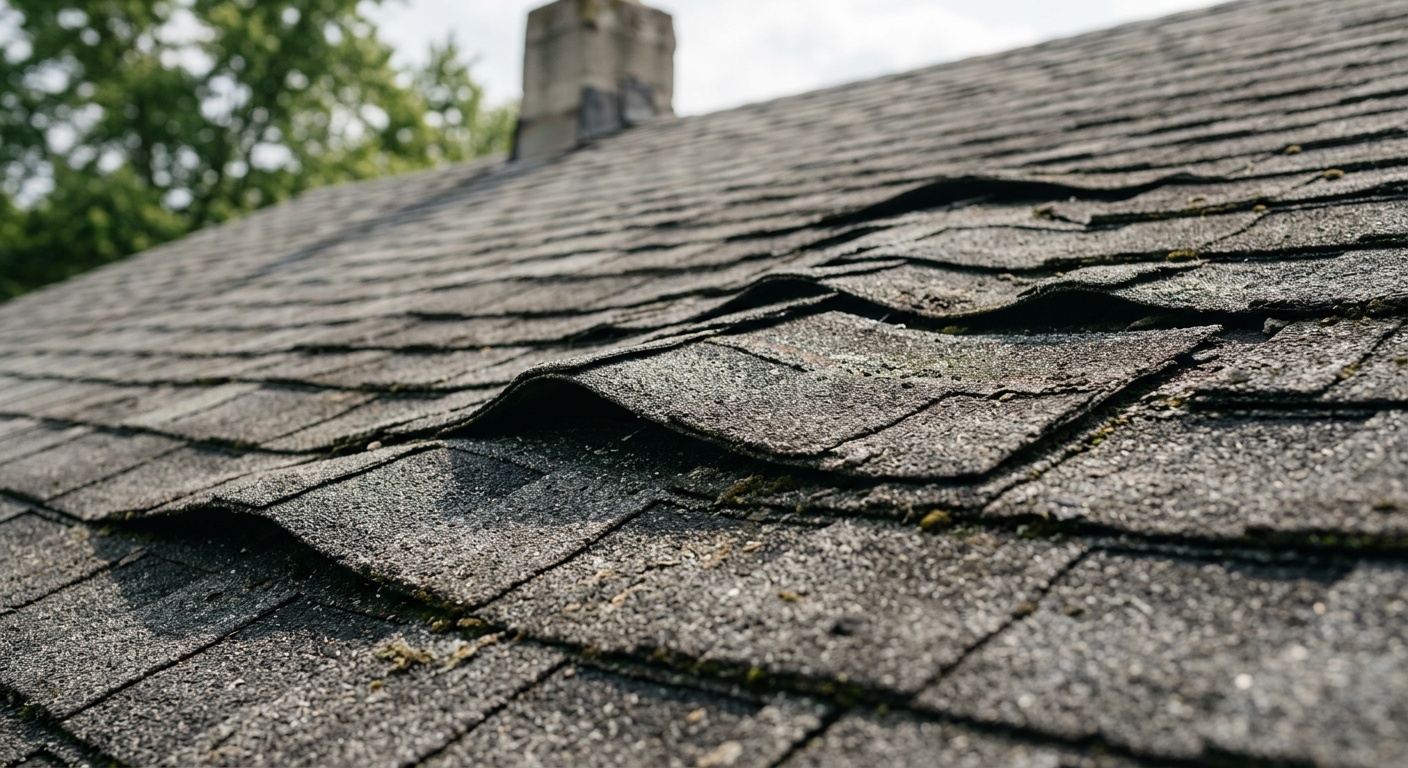
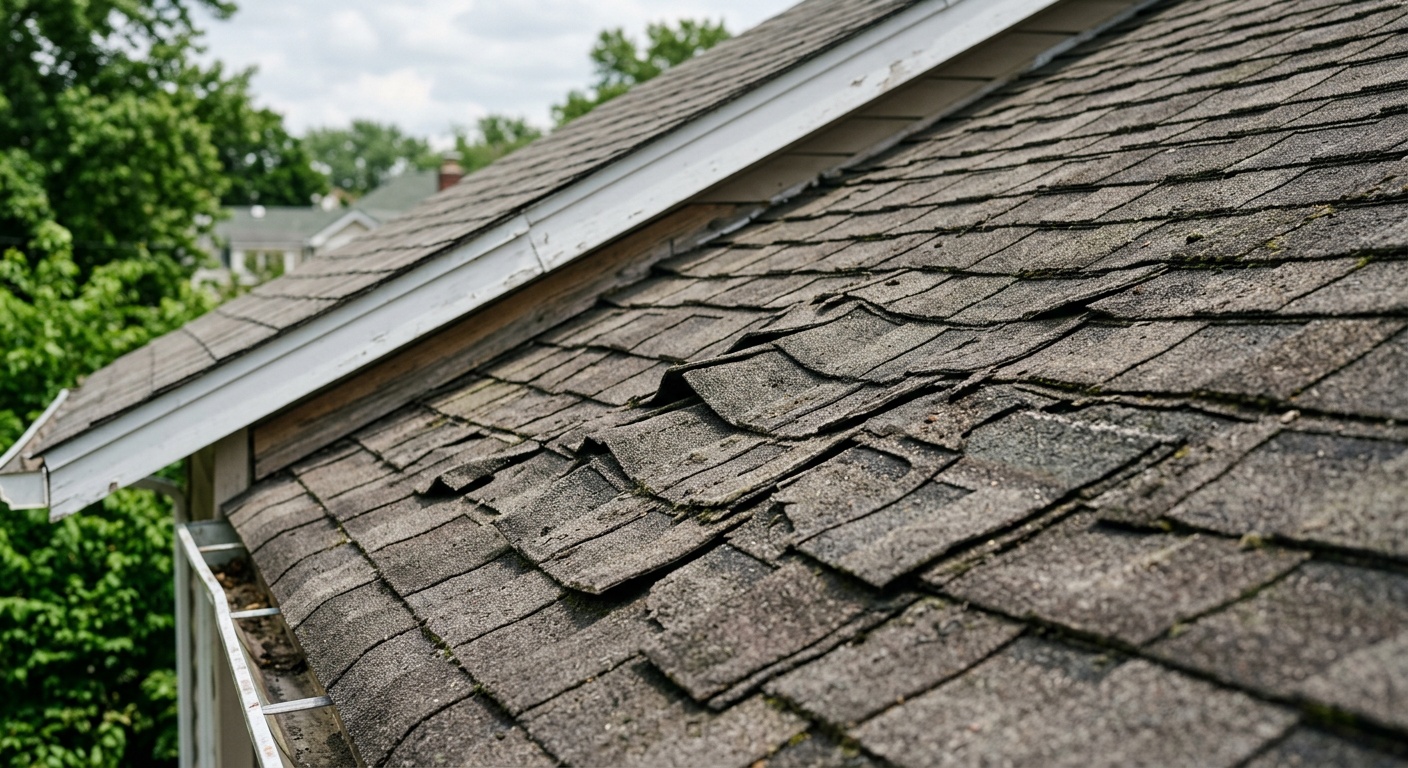
Standard three-tab asphalt shingles begin to soften at surface temperatures above 160°F — a threshold easily exceeded on an El Cajon summer afternoon. This softening causes blistering, where trapped air or moisture bubbles push up through the shingle surface, and granule loss, where the protective mineral coating separates from the asphalt base. Both accelerate UV degradation dramatically.
Architectural (dimensional) asphalt shingles perform somewhat better due to their thicker construction, but are still rated for a maximum of 25–30 years in moderate climates — a lifespan that can shrink to 15–20 years under El Cajon heat conditions without proper ventilation and maintenance.
Pro Tip: If you’re committed to asphalt in El Cajon, look specifically for shingles with a Class 3 or Class 4 impact resistance rating and an Energy Star cool-roof designation. These products reflect more solar energy and maintain structural integrity at higher temperatures.
Clay and Concrete Tile: The Heat-Resistant Champion
Walk through older El Cajon neighborhoods and you’ll notice clay tile roofs that have outlasted multiple asphalt shingle replacements on neighboring homes. That’s not coincidence. Clay tile has a naturally high thermal mass — it absorbs heat slowly, stores it, and releases it gradually. More importantly, the barrel shape of traditional clay tiles creates an air gap between the tile surface and the roof deck, providing natural ventilation that can reduce deck temperatures by 20–30°F.
Concrete tile offers similar benefits at a lower price point, though it’s heavier (often requiring structural reinforcement) and somewhat more susceptible to UV-related color fading. Both materials are essentially immune to UV degradation of their structural integrity and can last 50 years or more in El Cajon’s climate when properly installed and maintained.
The primary vulnerabilities of tile roofing in heat aren’t the tiles themselves — they’re the underlayment beneath them. Heat-driven degradation of underlayment is the leading cause of tile roof failures in Southern California, which is why selecting a high-temperature-rated synthetic underlayment during installation or re-roofing is critical.
Metal Roofing: Hot Surface, Cool Performance
Metal roofing has gained significant market share in El Cajon since 2023, driven by both its longevity and its compatibility with solar panel installation. The data on metal roofs in hot climates is compelling: a standing seam metal roof with a reflective coating can reduce roof surface temperatures by 50–60°F compared to dark asphalt shingles, and reduce cooling energy costs by 10–25% according to the Metal Roofing Alliance’s 2025 climate performance report.
Steel and aluminum roofing panels do expand significantly in heat — a 10-foot panel can expand nearly 1/4 inch on a hot summer day — but modern floating installation systems are specifically designed to accommodate this movement without causing seam separation or fastener failure. Older screw-down metal systems are more vulnerable to thermal movement damage.
The main heat-related concern with metal roofing is coating integrity. Powder coat and Kynar paint finishes can chalk and fade under prolonged UV exposure, and if the protective coating is compromised, corrosion can follow. However, quality metal roofs with PVDF coatings typically carry 40-year paint warranties, making them a strong long-term choice.
Flat Roofing Systems (TPO, EPDM, Modified Bitumen)
Commercial properties and some residential additions in El Cajon frequently use flat or low-slope roofing systems. These deserve special attention because flat roofs trap radiant heat more intensely than pitched roofs, making material selection even more critical.
TPO (Thermoplastic Polyolefin) membranes are the current industry standard for flat roofing in hot climates. White TPO reflects 70–80% of solar radiation and maintains flexibility across a wide temperature range. In El Cajon’s commercial sector, TPO has largely replaced EPDM for new installations since 2022.
EPDM (black rubber membrane) absorbs heat aggressively — surface temperatures can reach 180°F on summer days. While EPDM is durable and flexible, its heat absorption makes it a poor performer in El Cajon unless covered with a reflective coating or ballasted with gravel. Despite this, many older El Cajon commercial properties still have EPDM roofs due to its lower initial cost.
Modified Bitumen performs adequately in heat but requires careful attention to seam integrity, as heat-softened bitumen at seams can allow water infiltration during the brief but intense winter rain events that follow dry summers.
Roofing Material Heat Performance: Comparison Table
| Material | Estimated Lifespan (El Cajon) | Heat Resistance Rating | Cooling Energy Benefit | Relative Cost (Installed) |
|---|---|---|---|---|
| Standard Asphalt Shingles | 15–20 years | Low | Minimal | $ |
| Cool-Roof Asphalt Shingles | 20–25 years | Moderate | 10–15% | $$ |
| Clay / Concrete Tile | 40–60+ years | Excellent | 15–25% | $$$ |
| Metal (Standing Seam) | 40–70 years | Very Good | 15–25% | $$$$ |
| White TPO (Flat) | 20–30 years | Very Good | 20–30% | $$ |
Real-World Cases from El Cajon
Numbers tell part of the story — but real examples make the consequences tangible. Here are two scenarios drawn from common experiences in El Cajon neighborhoods.
Case Study 1: The Granite Hills Asphalt Replacement Cycle
A homeowner on a residential street in the Granite Hills area of El Cajon replaced their standard 30-year architectural asphalt shingle roof in 2009. By 2022 — just 13 years in — a home inspection revealed widespread granule loss, multiple blistering zones, and two areas of potential underlayment compromise. A full roof replacement was completed in 2023 at a cost of approximately $18,400. The homeowner chose upgraded cool-roof asphalt shingles with a reflective coating.
In 2026, three years into the new roof’s life, the homeowner reports a measurable reduction in summer attic temperatures (down approximately 15°F on peak days) and a modest but consistent 8–12% reduction in monthly cooling costs during June through September. The lesson: the upfront cost difference between standard and cool-roof asphalt shingles was roughly $2,200 — likely recovered in energy savings within 8–10 years, while also extending expected roof lifespan by 5–7 years.
Case Study 2: The Rancho San Diego Commercial Flat Roof
A small commercial building in the Rancho San Diego area of El Cajon operated with a 20-year-old EPDM flat roof through 2024. Despite annual maintenance, the building owner faced chronic interior temperature issues (cooling costs averaging $890/month in summer) and recurring seam failures requiring patching each fall. In early 2025, the owner invested in a full TPO re-roofing at $31,500. By summer 2025, cooling costs had dropped to $620/month — an annual savings of approximately $3,240 during the 4-month peak season. At that rate, the differential cost of TPO over a less expensive EPDM re-roof was recovered in under 4 years, with TPO’s lifespan advantage still ahead.
Heat Resistance Ratings by Material — Visual Comparison
The chart below illustrates relative heat resistance ratings for common El Cajon roofing materials on a scale of 0–100 (higher = better heat performance):
Ratings based on aggregate performance data from Southern California roofing contractors and material manufacturer testing under sustained 100°F+ ambient temperature conditions (2024–2026 data).
3 Common Heat-Related Roofing Challenges (and Fixes)
Challenge 1: Attic Heat Buildup and Roof Deck Deterioration
Poor attic ventilation is one of the most overlooked contributors to roofing failure in El Cajon. When attic temperatures exceed 150°F — easily achieved on a hot summer afternoon with inadequate ventilation — the heat damages the roof deck from below while solar radiation attacks from above. The wood sheathing dries out, becomes brittle, and loses its structural integrity. Fasteners loosen. Shingles begin to fail prematurely because their base is compromised.
The Fix: Ensure your home meets the minimum 1:150 ventilation ratio required by California building code (1 square foot of ventilation per 150 square feet of attic space). For maximum performance in El Cajon’s climate, aim for 1:100. A combination of ridge venting and soffit venting creates a continuous airflow path that can reduce attic temperatures by 30–40°F. In 2026, ridge vent upgrades typically cost $800–$2,000 installed — a fraction of a premature roof replacement.
Challenge 2: Seam and Flashing Failures from Thermal Movement
Every roof has seams, joints, and flashing points — and these are the areas most vulnerable to thermal movement stress. In El Cajon, where temperature swings between summer days and nights can exceed 35°F, materials move significantly. Over time, caulking cracks, flashing pulls away from walls and chimneys, and sealed joints open up just enough to allow water infiltration during winter rains.
The Fix: Schedule annual roof inspections in September or October — after the summer heat has finished its work — specifically targeting all flashing and sealed joints. Use heat-rated flashing sealants with a documented temperature range above 200°F. Avoid asphalt-based caulks, which soften and lose adhesion at high temperatures. Silicone-based and urethane-based sealants perform significantly better in El Cajon’s thermal environment.
Challenge 3: UV Degradation of Roofing Underlayment
When roofing tiles crack, metal panels are temporarily removed for repair, or shingles are disturbed during inspections, the underlayment beneath can be exposed to direct sunlight. Even brief UV exposure accelerates degradation of traditional felt underlayment dramatically. This is a particular problem in El Cajon because the intensity of UV radiation compounds the damage quickly.
The Fix: Insist on synthetic underlayment (rather than traditional No. 15 or No. 30 felt) for any new installation or re-roofing project. Quality synthetic underlayments like those made from woven polypropylene tolerate UV exposure up to 6 months without significant degradation (versus 30–60 days for felt) and maintain their waterproofing properties at extreme temperatures. They typically add $0.10–$0.25 per square foot to installation costs — a negligible investment for a critical protective layer.
Best Roofing Choices for El Cajon in 2026
Given everything we’ve covered, what does the evidence-based recommendation actually look like for an El Cajon homeowner making a decision in 2026? The answer depends on your priorities, but here’s a clear-eyed summary:
- Best long-term value: Clay or concrete tile. The upfront cost is real, but the 40–60-year lifespan and heat performance are unmatched in this climate. If your home’s structure can support it, this is the choice that pays off over decades.
- Best for solar integration: Standing seam metal roofing. The design allows solar panels to be mounted without penetrating the roofing surface, and the lifespan aligns well with solar system lifecycles. A roof-solar package in El Cajon can reduce summer energy bills by 40–60%.
- Best budget-conscious upgrade: Energy Star certified cool-roof asphalt shingles. For homeowners who need to balance upfront costs, the premium over standard shingles is modest, the heat performance improvement is meaningful, and the product is widely available through El Cajon’s established roofing contractors.
- Best for flat/low-slope roofs: White or light-gray TPO membrane. Non-negotiable for commercial properties and highly recommended for residential flat sections. The reflective performance in El Cajon’s climate is too significant to ignore.
Regardless of material choice, two universal recommendations apply to every El Cajon property: invest in quality attic ventilation, and use synthetic underlayment. These decisions protect whatever material you choose and extend its life significantly in a climate this demanding.
Frequently Asked Questions
How often should I inspect my roof given El Cajon’s summer heat?
At minimum, conduct a professional inspection annually — ideally in September or October after the summer heat season concludes. This timing allows you to assess all heat-related damage before winter rains arrive. In addition, a visual self-inspection (from the ground or safely from a ladder) after any Santa Ana wind event or temperature extreme above 108°F is worthwhile. Look for lifted shingles, visible blistering, missing granules in gutters, or any exposed underlayment. El Cajon’s climate justifies a proactive inspection schedule that many homeowners in milder regions wouldn’t need.
Does a cool roof really make a measurable difference in home comfort and energy costs?
Yes — and the data from Southern California is compelling. A 2025 California Energy Commission study found that homes with cool-roof systems in inland San Diego County (which includes El Cajon) experienced an average of 8–18% reduction in cooling energy consumption compared to identical homes with standard dark roofing. For an average El Cajon household spending $280/month on summer cooling, that translates to $22–$50 in monthly savings. Over a 20-year roof lifespan, the cumulative energy savings often exceed the cost premium of cool-roof materials. Beyond energy costs, cool roofs measurably reduce attic temperatures, extending the life of HVAC equipment and improving overall indoor comfort during peak heat events.
My asphalt shingle roof is 12 years old — should I replace it now or wait?
In El Cajon’s climate, a 12-year-old standard asphalt shingle roof warrants a thorough professional assessment immediately. Given that heat-stressed asphalt shingles in this region typically show significant degradation between years 12–18, you’re entering the critical vulnerability window. A qualified roofing inspector can assess granule retention, blistering extent, underlying deck condition, and flashing integrity to give you a realistic remaining lifespan estimate. If the assessment shows significant granule loss or blistering over more than 15–20% of the surface, proactive replacement before the next summer season is financially smarter than emergency repair after winter water infiltration damage occurs. Waiting for visible leaks in El Cajon’s climate typically means you’ve already allowed water damage to spread to the deck and insulation beneath.
Your Roof Survival Roadmap: Next Steps
You’ve now got a working understanding of what El Cajon’s summers actually do to roofing materials — and more importantly, what you can do about it. Let’s turn that knowledge into action with a practical roadmap:
- This week: Do a visual inspection from ground level or safely from your gutters. Look for missing granules, visible blistering, or any lifted/misaligned shingles or tiles. Check your gutters — an accumulation of granules is a reliable early warning sign of asphalt degradation.
- Within 30 days: Schedule a professional roof inspection with a licensed El Cajon or East County roofing contractor. Request a written assessment with photos and an honest remaining lifespan estimate for your current system.
- Before next summer (by May 2027): Address any ventilation deficiencies identified in your inspection. Even if your roof is in reasonable condition, improving attic airflow is the single highest-ROI roofing investment you can make in this climate.
- If replacement is needed: Get at least three quotes and request that each contractor specify the exact underlayment product and ventilation approach they’ll use — not just the top material. This distinguishes experienced hot-climate roofers from those applying a one-size-fits-all approach.
- Long-term: Consider integrating your next roofing decision with a solar energy plan. California’s net metering policies and El Cajon’s solar resource make a combined metal roof/solar installation in 2026–2027 an economically compelling package.
As climate projections for inland Southern California point toward increasingly intense and prolonged summer heat events through the 2030s, roofing decisions made today carry greater long-term consequences than ever before. The materials you choose, the installation standards you demand, and the maintenance habits you develop now are investments in both your home’s structural integrity and your quality of life during El Cajon’s most punishing seasons.
Your roof doesn’t have to be a liability in El Cajon’s summers — with the right information and a proactive approach, it can be one of your home’s most durable assets. What’s the current condition of yours?