What Home Inspectors Look for in Southern California Homes 2026
Reading time: 14 minutes
You’ve found the perfect home in Pasadena. The backyard has that California dream feel, the kitchen was recently remodeled, and the listing photos look flawless. But before you sign anything, one professional stands between you and a potentially costly mistake: the home inspector.
In Southern California’s 2026 real estate market — where median home prices in Los Angeles County hover around $880,000 and inventory remains tight — skipping or underestimating a home inspection is a gamble no informed buyer should take. The region’s unique geography, climate, and aging housing stock create a distinctive checklist that goes well beyond what inspectors might prioritize in, say, Ohio or Vermont.
Whether you’re a first-time buyer in Riverside County or a seasoned investor flipping properties in the San Fernando Valley, this guide walks you through exactly what home inspectors zero in on when evaluating Southern California properties — and why it matters deeply to your financial and physical safety.
Table of Contents
- Why Southern California Inspections Are Different
- Structural Integrity and Seismic Preparedness
- Roof, Exterior, and Drainage Systems
- HVAC, Energy Systems, and Wildfire Risk
- Plumbing and Electrical Systems
- Pest Infestation, Mold, and Indoor Air Quality
- Inspection Issue Frequency: A Visual Breakdown
- Comparative Inspection Checklist Table
- Real-World Scenarios: 2 Southern California Case Studies
- Frequently Asked Questions
- Your SoCal Homebuying Safety Roadmap
Why Southern California Inspections Are Different
Home inspections are not a one-size-fits-all process. A certified inspector in Boston is trained to look for ice damming, frozen pipe risks, and basement water intrusion from snowmelt. In Southern California, the threat landscape is entirely different — and in many ways, more complex.
The region sits at the intersection of seismic activity, wildfire corridors, drought cycles, and coastal humidity, all packed into a relatively small geographic area. A home in Malibu faces ocean salt corrosion and landslide risk. A home in Rancho Cucamonga must contend with Santa Ana wind-driven ember exposure. And a 1950s bungalow in Long Beach may have original galvanized plumbing, knob-and-tube wiring, and a foundation that predates modern seismic code by decades.
According to the California Real Estate Inspection Association (CREIA), inspectors conducting assessments in Southern California are strongly encouraged to follow the state’s expanded standards of practice, which address region-specific hazards not covered in national inspection frameworks. In 2025, CREIA updated its training curriculum to include enhanced protocols for wildfire defensible space assessments and post-drought soil movement analysis — both directly relevant to SoCal homes in 2026.
Here’s the straight talk: a generic home inspection isn’t enough here. You need an inspector who understands this specific environment, and you need to know what they’re looking for so you can ask the right questions and interpret the report accurately.
Structural Integrity and Seismic Preparedness
Foundation Types and Failure Points
Southern California’s housing stock spans nearly a century of construction styles, and each era brought different foundation approaches — many of which are now showing their age. Inspectors in 2026 pay particularly close attention to three foundation types common in the region:
- Raised wood-frame foundations (common in pre-1970s homes): Inspectors look for cripple wall failures, inadequate anchor bolts, and evidence of wood rot in the subfloor.
- Slab-on-grade foundations (dominant in post-1960s construction): Cracking patterns, heaving, and settlement are red flags, especially in areas with expansive clay soils like parts of the Inland Empire.
- Hillside post-and-pier foundations (common in Laurel Canyon, Silver Lake, and similar areas): These are closely examined for deteriorated posts, lack of lateral bracing, and inadequate connections between the house and its support structure.
According to the United States Geological Survey (USGS), there is a 60% probability of a magnitude 6.7 or greater earthquake striking the Los Angeles area within the next 30 years. That risk context makes seismic retrofitting not just a nice-to-have — it’s a financial necessity. Inspectors will note whether a home has been bolted and braced, and whether that work was permitted and done correctly.
Seismic Retrofit Red Flags Inspectors Flag Most Often
Even homes that claim to be “seismically retrofitted” can have deficiencies. Experienced SoCal inspectors know what shoddy retrofit work looks like, and they check for:
- Anchor bolts that are improperly spaced or corroded
- Cripple walls that were sheathed with drywall rather than structural plywood
- Soft-story configurations in multi-unit buildings (a particularly urgent concern in cities like Los Angeles, which mandated soft-story retrofits but still has non-compliant buildings as of 2026)
- Evidence of prior earthquake damage that was cosmetically repaired rather than structurally addressed — look for diagonal cracks in drywall near door frames or windows
Pro Tip: Ask your inspector specifically whether they’re familiar with the California Earthquake Authority’s Brace + Bolt program criteria. If a home doesn’t qualify, it’s a negotiating point — or a reason to budget $3,000–$7,000 for retrofit work post-purchase.
Roof, Exterior, and Drainage Systems
In a region that goes months without rain and then experiences atmospheric river events dumping several inches in 48 hours, roof and drainage integrity is paramount. The 2024–2025 rainy season reminded SoCal homeowners just how vulnerable improperly maintained roofs can be — insurance claims for water intrusion damage in LA County spiked by approximately 22% following back-to-back atmospheric river events, according to the California Department of Insurance.
What Inspectors Examine on the Roof
Inspectors evaluate roofing materials, age, condition, and compliance with current fire codes. In Southern California, this includes:
- Class A fire-rated roofing materials: Many older homes still have wood shake roofs, which are prohibited under current building codes in most SoCal jurisdictions due to wildfire risk. An inspector will flag this immediately.
- Tile roof integrity: Common in the region, concrete and clay tile roofs require inspection of the underlayment beneath the tiles, not just the tiles themselves. Cracked or slipping tiles and failed underlayment are frequent findings.
- Flat roof drainage: Common in mid-century modern homes and commercial-residential properties, flat roofs must have functional drains and scuppers. Ponding water evidence is a serious finding.
- Fascia and soffit condition: These areas are both fire vulnerability points and common entry points for moisture and pests.
Grading, Drainage, and Soil Movement
After years of drought followed by intense rainfall cycles, Southern California’s soil conditions in 2026 present unique challenges. Inspectors assess:
- Lot grading to ensure water flows away from the foundation (negative grading is a leading cause of foundation damage)
- Evidence of hillside movement or soil creep, especially in areas affected by the 2025 wildfires where vegetation loss has increased erosion risk
- Retaining wall condition and drainage behind walls
- French drain systems and their functional status
HVAC, Energy Systems, and Wildfire Risk
Southern California’s climate has historically been mild enough that HVAC systems weren’t always considered critical. That perception has changed dramatically. With summers regularly pushing inland temperatures above 110°F and wildfire smoke events making air quality a health emergency, the HVAC system is now one of the most scrutinized components in a SoCal home inspection.
Air Conditioning and Heating Units
Inspectors check age, condition, output capacity, and filter status of cooling and heating systems. In 2026, they also note whether systems are compatible with California’s updated Title 24 energy standards, which have become significantly more stringent. Key findings include:
- Systems older than 15 years (replacement cost: $8,000–$15,000 for central HVAC)
- Ductwork leaks, which are extremely common in older SoCal homes and can reduce system efficiency by 20–30%
- Lack of whole-house filtration or MERV-13+ filtration capability — increasingly important given wildfire smoke events
- Improper venting of combustion appliances
Wildfire Defensible Space and Home Hardening
In 2026, home inspectors working in or near California’s designated High Fire Hazard Severity Zones (HFHSZs) increasingly incorporate wildfire-specific assessments into their reports. After the devastating January 2025 Los Angeles wildfires — which destroyed thousands of homes in Altadena, Pacific Palisades, and surrounding areas — buyers are more wildfire-aware than ever.
Standard wildfire-related inspection points include:
- Ember-resistant vents: Are attic, foundation, and crawl space vents screened with 1/16-inch mesh to prevent ember intrusion?
- Deck and exterior wall materials: Composite decking and stucco/fiber cement siding score better than wood. Inspectors note combustible materials within Zone 0 (0–5 feet from the structure).
- Attached garage vulnerability: Gaps under garage doors and unprotected openings are documented.
- Gutter guards: Absence of ember-catching gutter guards on combustible gutters is flagged in fire-prone areas.
Quick Scenario: Imagine you’re considering a beautiful craftsman home in Arcadia, backing up to a hillside. Your inspector finds wood lattice skirting beneath the deck, no ember-resistant vents, and vinyl gutters without guards. That’s potentially $4,000–$8,000 in recommended hardening upgrades — all of which affects insurability in today’s increasingly restrictive California homeowners insurance market.
Plumbing and Electrical Systems
These two systems together represent some of the costliest repair items an inspector can uncover — and in Southern California’s older housing markets, both are frequent sources of significant findings.
Plumbing: From Pipes to Water Heaters
Inspectors assess the entire water supply and drainage system, including:
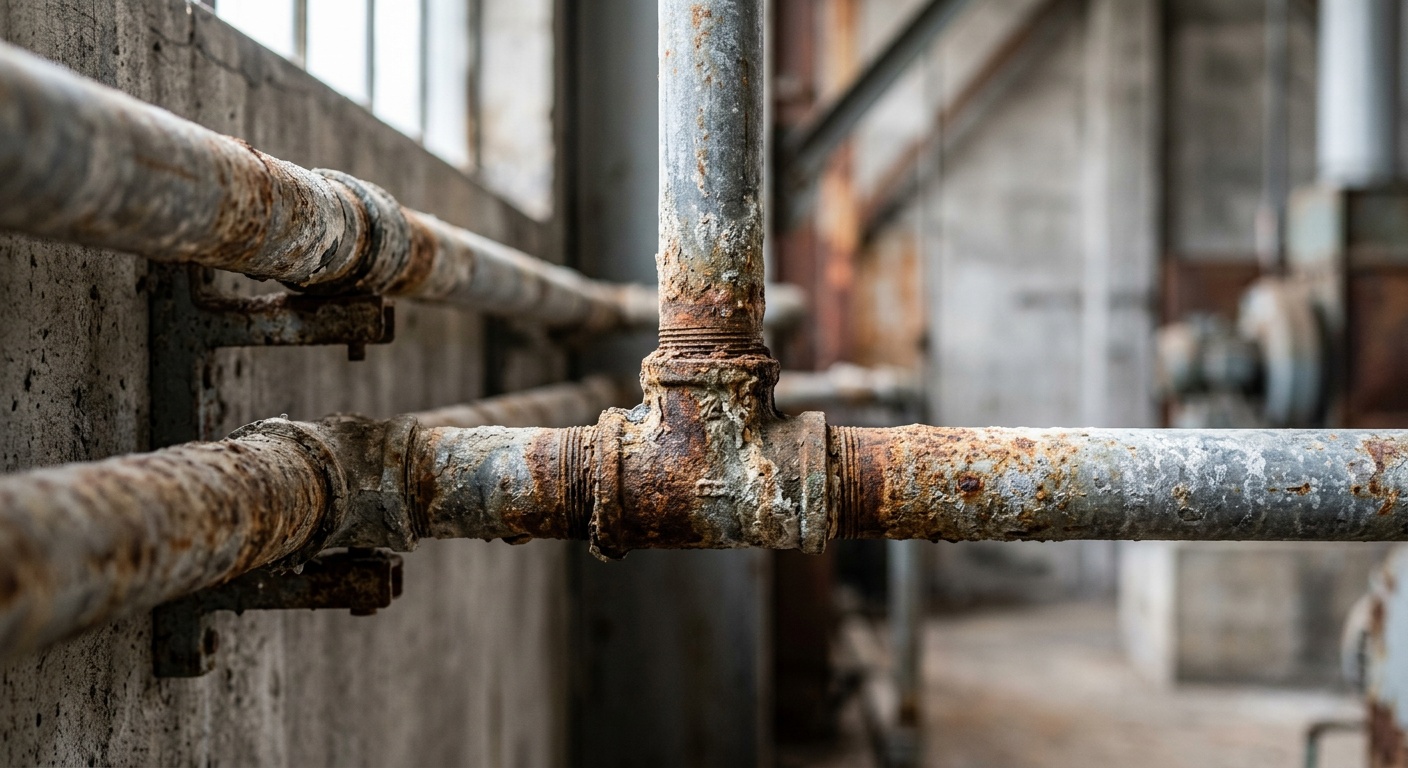
- Galvanized steel pipes: Found in homes built before 1970, galvanized pipes corrode from the inside out, restricting flow and eventually failing. A full repipe costs $8,000–$20,000 depending on home size.
- Polybutylene (PB) pipes: Installed in some 1980s homes and known to fail without warning. If present, expect a repipe recommendation.
- Water heater compliance: California requires water heaters to be double-strapped for seismic safety. Inspectors check both strapping and TPRV (Temperature Pressure Relief Valve) function.
- Sewer lateral condition: While not always included in a standard inspection, many SoCal buyers now add a sewer scope inspection, particularly for homes with mature trees. Root intrusion is extremely common.
- Water pressure: Ideal pressure is 40–80 PSI. High pressure (above 80 PSI) can damage appliances and accelerate pipe wear.
Electrical Systems: Safety and Capacity
California’s push toward electrification — replacing gas appliances with electric alternatives under evolving state building codes — is putting new pressure on older electrical panels. Inspectors look for:
- Panel capacity: Older 100-amp panels are inadequate for modern homes with EV chargers, heat pump systems, and electric appliances. Upgrading to 200 amps costs $2,000–$4,000+.
- Federal Pacific Stab-Lok or Zinsco panels: Both are known fire hazards and are flagged as major concerns requiring immediate replacement.
- GFCI and AFCI protection: Inspectors verify ground fault circuit interrupter (GFCI) outlets in all wet areas and arc fault circuit interrupter (AFCI) breakers where required by code.
- Aluminum wiring: Found in some 1960s–1970s homes, aluminum branch circuit wiring requires special connections and regular maintenance to remain safe.
- Double-tapped breakers and DIY wiring: Common findings in homes that have been modified by non-licensed owners over the decades.
Pest Infestation, Mold, and Indoor Air Quality
Southern California’s warm climate is not just pleasant for humans — it’s paradise for termites, wood-boring beetles, and various mold species. These biological threats are so prevalent that California requires a separate Wood Destroying Organism (WDO) report as part of standard real estate transactions, in addition to the general home inspection.
Termite Activity and Structural Damage
There are two primary termite species of concern in Southern California:
- Drywood termites: These live inside the wood itself and are identified by small pellet-like droppings (frass). They’re extraordinarily common across the region.
- Subterranean termites: More destructive, they build mud tubes from soil to wood and are found most frequently in coastal and lower-elevation areas.
The WDO inspector assesses accessible wood framing, subfloor areas, attic framing, and exterior wood components. Treatment and repair costs can range from a few hundred dollars for localized spot treatment to $10,000+ for fumigation and structural wood replacement in severely infested homes.
Mold Assessment and Moisture Sources
Despite Southern California’s dry reputation, mold is a significant concern — particularly in coastal homes where marine layer fog and coastal humidity create persistent moisture conditions. Inspectors look for:
- Visible mold growth in bathrooms, under sinks, and in attic spaces with poor ventilation
- Evidence of prior water intrusion (staining, efflorescence on concrete, swollen drywall)
- Improperly vented bathroom exhaust fans that dump into attic spaces rather than outside
- Condensation issues around HVAC ducts in unconditioned spaces
If mold is suspected, inspectors typically recommend a separate mold assessment by a certified industrial hygienist. Mold remediation costs vary widely — from $500 for minor surface mold to $30,000+ for deep structural contamination.
Inspection Issue Frequency in Southern California Homes (2026)
Based on aggregated data from CREIA-affiliated inspectors across Los Angeles, Orange, Riverside, and San Bernardino counties, here is how frequently various issues are found in SoCal home inspections:
Issue Frequency in SoCal Home Inspections (% of homes inspected)
78%
65%
71%
59%
44%
52%
Comparative Inspection Checklist: SoCal vs. National Standards
| Inspection Category | National Standard Focus | Southern California Focus | Estimated Repair Cost (SoCal) |
|---|---|---|---|
| Foundation | Cracks, moisture intrusion, settling | Seismic bolting, cripple walls, hillside movement | $3,000 – $30,000+ |
| Roof | Age, missing shingles, flashing | Fire rating, tile underlayment, ember resistance | $8,000 – $25,000 |
| Electrical | Panel condition, GFCI outlets | Panel capacity for EV/electrification, aluminum wiring | $2,000 – $10,000 |
| Plumbing | Leaks, water pressure, drain function | Seismic water heater strapping, galvanized pipes, sewer roots | $500 – $20,000 |
| Pest / Environmental | Basic visual check, radon in some regions | Drywood + subterranean termites, mold from marine layer | $500 – $15,000 |
Real-World Scenarios: 2 Southern California Case Studies
Case Study 1: The “Move-In Ready” Glendale Craftsman
In early 2026, a buyer couple was under contract on a 1941 craftsman bungalow in Glendale, listed at $975,000. The listing described the property as “move-in ready” with a “recently updated kitchen.” The general home inspection, conducted by a CREIA-certified inspector, told a very different story:
- The original galvanized water supply lines were still in place throughout most of the house, with severely restricted flow to the rear bathroom
- The electrical panel was a Zinsco model — a known fire hazard flagged for immediate replacement
- The cripple walls beneath the raised foundation had no structural sheathing and zero anchor bolts
- The WDO report revealed active drywood termite infestations in attic framing and both front window headers
The buyers used this report to negotiate a $47,000 price reduction and a seller credit for the panel replacement. The kitchen remodel was real — but so was the $60,000+ in deferred maintenance beneath it. The inspection saved them from a financial disaster masked by fresh subway tile and new appliances.
Case Study 2: The Post-Fire Rebuild in Alta Dena Area
A real estate investor in 2026 identified a property on the outskirts of the January 2025 LA fire perimeter in Altadena that had survived structurally but showed clear evidence of smoke and ember damage. The inspection revealed:
- Attic insulation saturated with smoke particulates requiring full replacement
- HVAC ductwork contaminated and non-functional after drawing in heavy smoke during the fire event
- Vinyl soffits partially melted on the north-facing elevation facing the fire path
- No ember-resistant vents — an urgent item given the property remained in a Very High FHSZ designation
- Foundation cracking consistent with intense heat exposure on the exterior slab perimeter
The inspector’s detailed report allowed the investor to accurately scope the rehabilitation project before purchasing. Total remediation came in at $68,000 — significant, but well within projections that allowed the investment to remain profitable. Without the inspection, these hidden costs could have gutted the entire project margin.
Frequently Asked Questions
How much does a home inspection cost in Southern California in 2026?
A standard general home inspection in Southern California typically costs between $450 and $800 for a single-family home, depending on square footage, age, and the inspector’s scope. Specialty add-ons — including sewer scope ($150–$250), termite/WDO inspection ($75–$200, often required separately), mold assessment ($300–$600), and chimney inspection ($150–$300) — can push total inspection costs to $1,200–$2,000. Given that inspection findings routinely uncover issues worth tens of thousands of dollars in repair credits, the ROI is extraordinary.
Can I use the home inspection report to renegotiate the purchase price?
Absolutely — and in Southern California’s competitive but stabilizing 2026 market, inspection reports have become one of the most powerful renegotiation tools available to buyers. Sellers are generally more willing to negotiate on price or offer repair credits than they were during the frenzied 2021–2022 market. Focus on items that affect safety, habitability, or insurability — foundation issues, electrical hazards, wildfire vulnerability, and major plumbing failures are your strongest negotiation points. Cosmetic issues are rarely worth fighting over unless they mask something structural.
What happens if a home inspector misses something significant?
Home inspectors in California operate under a standard of care, not a guarantee. They are required to report on observable conditions at the time of inspection, but they are not required to move furniture, open walls, or perform destructive testing. If an inspector misses something due to negligence rather than inaccessibility, you may have a legal remedy — but it’s a difficult claim to pursue. This is why working with CREIA-certified or InterNACHI-certified inspectors with errors and omissions (E&O) insurance is important. More practically, always attend your inspection in person, ask questions, and consider additional specialist inspections for high-risk areas like the sewer, chimney, and foundation.
Your SoCal Homebuying Safety Roadmap: Don’t Buy Blind
In a market as high-stakes and geographically complex as Southern California’s, the home inspection isn’t a formality — it’s one of the most valuable investments you’ll make in the entire homebuying process. Here’s your action-oriented roadmap to making the most of it:
- Hire a region-specialist inspector first. Prioritize CREIA-certified inspectors with demonstrated experience in your specific SoCal submarket. A coastal inspector knows salt corrosion; a Foothill inspector knows fire zones. Match expertise to location.
- Always add specialty inspections. Budget for a sewer scope, WDO report, and — for any home near fire zones — a wildfire hardening assessment. These aren’t luxuries; they’re essentials in 2026’s SoCal market.
- Attend the inspection in person. A written report tells you what was found. Being present tells you the inspector’s level of concern, what was inaccessible, and what follow-up questions to ask specialists.
- Translate findings into negotiation leverage. Work with your agent to prioritize safety and structural findings over cosmetic ones. Get contractor estimates for major items before finalizing credits.
- Think beyond today’s repair costs — think insurability. With California’s homeowners insurance crisis deepening in 2026, any item that affects insurer risk assessment (roof condition, wildfire hardening, electrical panel type) has compounding financial implications well beyond the repair itself.
The broader trend here is clear: as climate risk, aging infrastructure, and regulatory complexity converge in Southern California, the home inspection is evolving from a basic due diligence checkbox into a sophisticated risk assessment tool. Buyers who understand this — and who use inspections strategically — will be far better positioned than those who treat the process as a hurdle to clear on the way to closing.
So ask yourself honestly: does your inspection strategy match the complexity and financial weight of the market you’re buying into? In Southern California in 2026, anything less than a thorough, expert-driven inspection process isn’t just an oversight — it’s an expensive one.