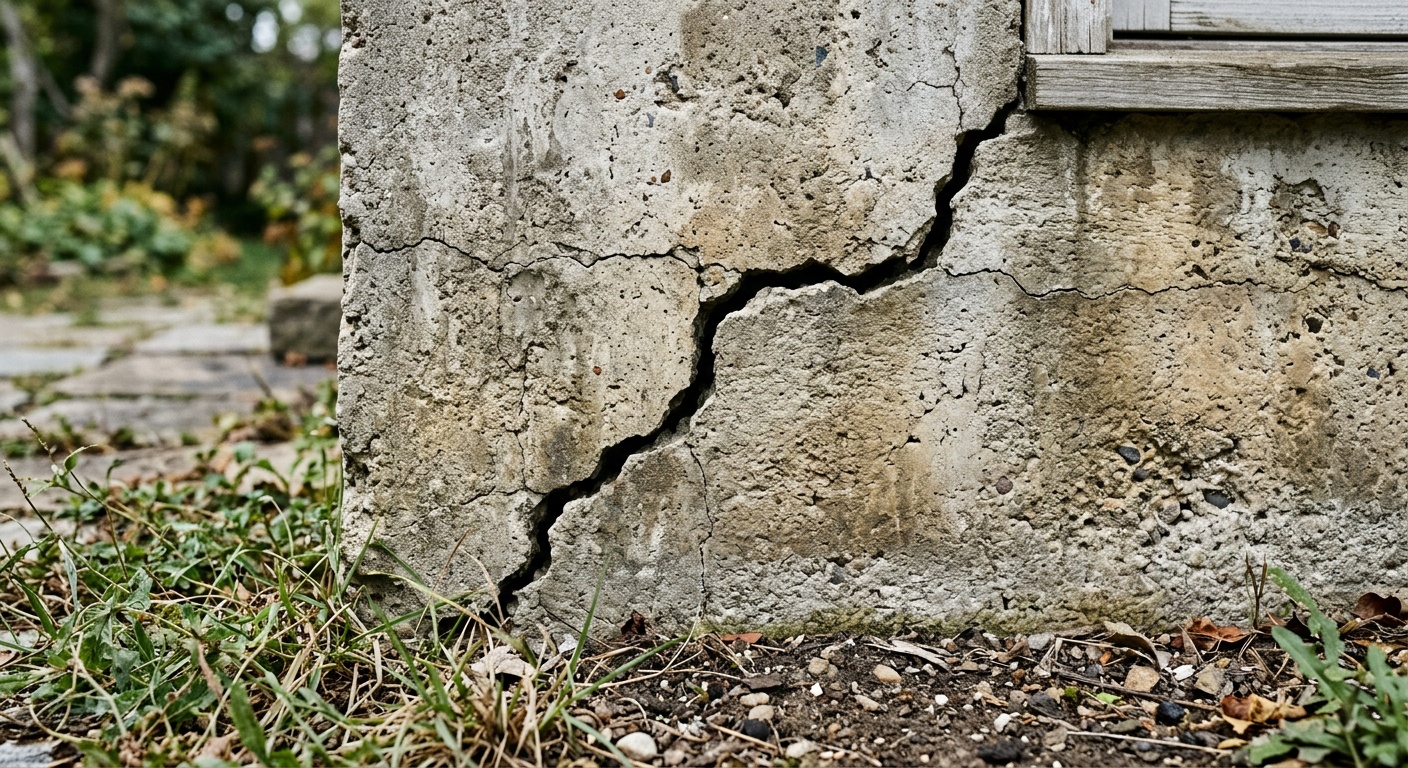
Foundation Problems Caused by Dry Soil Expansion in SoCal: What Every Homeowner Needs to Know
Reading time: 14 minutes
Your house is shifting. Maybe you’ve noticed a crack creeping along the corner of your living room wall, or your front door has started sticking in ways it never did before. You chalked it up to the heat, or maybe the house “settling.” But here’s the hard truth: in Southern California, those signs may point to something far more serious — and far more expensive — than routine aging.
Welcome to the world of expansive soil movement, one of the most underestimated threats to residential foundations across Los Angeles, San Bernardino, Riverside, and Orange Counties. In 2026, with Southern California experiencing its third consecutive year of irregular precipitation cycles and record dry spells, this problem isn’t just persisting — it’s accelerating.
Let’s cut through the confusion, understand the science, and give you a practical roadmap for protecting what is likely your most valuable asset.
Table of Contents
- The Science Behind Dry Soil and Foundation Movement
- Why Southern California Is Uniquely Vulnerable
- Recognizing the Warning Signs Early
- Real-World Case Studies from SoCal Homeowners
- Damage Severity: A Comparative Overview
- Repair Options and What They Actually Cost
- Prevention Strategies That Actually Work
- Frequently Asked Questions
- Your Foundation Protection Roadmap: Next Steps
The Science Behind Dry Soil and Foundation Movement
Here’s something most homeowners don’t realize: soil isn’t static. It breathes, swells, and contracts based on moisture content — and in Southern California, that movement can be dramatic enough to crack concrete, buckle slabs, and tilt entire structures.
What Is Expansive Soil, Exactly?
Expansive soils are those with a high content of clay minerals — particularly montmorillonite, illite, and smectite — that absorb water and swell, then contract dramatically when they dry out. The volumetric change in highly expansive clays can reach 30% or more between their wettest and driest states.
In Southern California, expansive soils are extraordinarily common. According to the California Geological Survey, approximately 60% of the greater Los Angeles Basin sits on soils classified as moderately to highly expansive. The Inland Empire — including Riverside and San Bernardino counties — has some of the most severe concentrations of swelling clay in the entire western United States.
The process works like this:
- Wet season: Clay particles absorb water molecules between their plate-like structures, expanding outward and creating upward pressure (heave) beneath foundations.
- Dry season: As moisture evaporates, the clay particles pull together, causing the soil mass to shrink and pull away from foundation edges — creating voids and differential settlement.
- Repeat cycles: Each wet-dry cycle ratchets up cumulative damage over time.
The Difference Between Heave and Settlement — And Why It Matters
Many people conflate all foundation movement under the umbrella term “settling,” but there’s a critical distinction that affects both diagnosis and repair strategy.
Foundation settlement occurs when soil beneath a foundation compresses or moves downward, causing sections of the structure to sink. This is the classic problem associated with poorly compacted fill or erosion.
Foundation heave, on the other hand, is the upward movement caused by swelling soil pushing against the foundation slab or footings. In SoCal’s clay-heavy soils, heave can actually be more destructive than settlement because it creates differential pressure — meaning one part of your foundation is being pushed up while another stays stationary or sinks.
According to Dr. Jonathan Kolb, a geotechnical engineer with over two decades of California residential experience, “The seasonal moisture cycling in Southern California creates a uniquely punishing environment for residential foundations. We’re not talking about a one-time event — we’re talking about decades of repeated mechanical stress from soil that is essentially contracting and expanding against concrete year after year.”
Why Southern California Is Uniquely Vulnerable
Southern California’s foundation problem isn’t just a geology issue — it’s a perfect storm of climate, urban development patterns, aging housing stock, and increasingly volatile weather.
In 2025, the region experienced one of the most dramatic wet-to-dry transitions on record. A historically wet January and February — following the devastating Palisades and Eaton fires — was followed by near-complete drought conditions through summer and fall. That kind of whiplash moisture cycling is precisely what accelerates expansive soil damage.
By early 2026, structural engineering firms across the LA Basin reported a 27% increase in foundation-related service calls compared to the same period in 2024, according to data compiled by the California Contractors State License Board.
The Role of Urban Tree Roots and Landscaping
One underappreciated factor in SoCal foundation problems is the interaction between large trees, irrigation systems, and expansive soils. Mature trees — particularly eucalyptus, ficus, and pine species common in older LA neighborhoods — extract enormous quantities of moisture from the soil through their root systems.
During drought periods, a single large ficus tree can draw moisture from soil up to 40 feet away, desiccating clay soils that lie directly beneath or adjacent to a home’s foundation. This localized drying creates irregular shrinkage — the foundation drops on the tree side while remaining elevated elsewhere.
Conversely, improper irrigation that deposits too much water near the foundation can cause localized swelling and heave. Either extreme creates what engineers call differential movement — arguably the most damaging type of foundation stress a structure can experience.
Housing Stock Age and Construction Era Vulnerabilities
A significant portion of Southern California’s housing inventory was built between 1945 and 1975, during a period when expansive soil mitigation practices were minimal or nonexistent. Post-war tract housing across the San Fernando Valley, South Bay, and the Inland Empire was often constructed on minimally prepared soils with slab-on-grade foundations that had little to no moisture barrier or pre-saturation treatment.
These homes — now 50 to 80 years old — are bearing the cumulative weight of decades of soil cycling. For owners of these properties, the question isn’t if foundation movement will occur, but how severe it already is.
Recognizing the Warning Signs Early
The best defense against major foundation repair costs is catching problems early. Here’s a practical guide to reading your home’s signals:
Interior Warning Signs
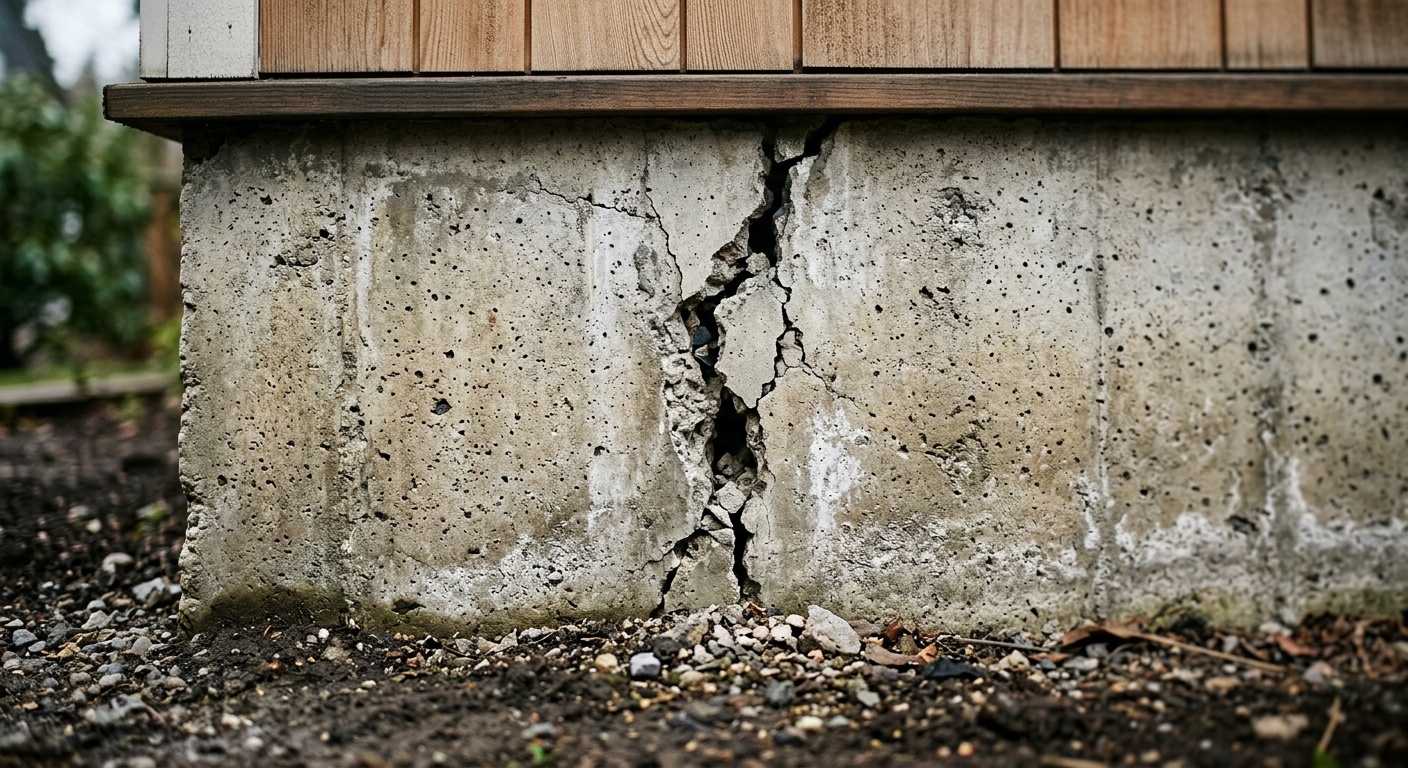
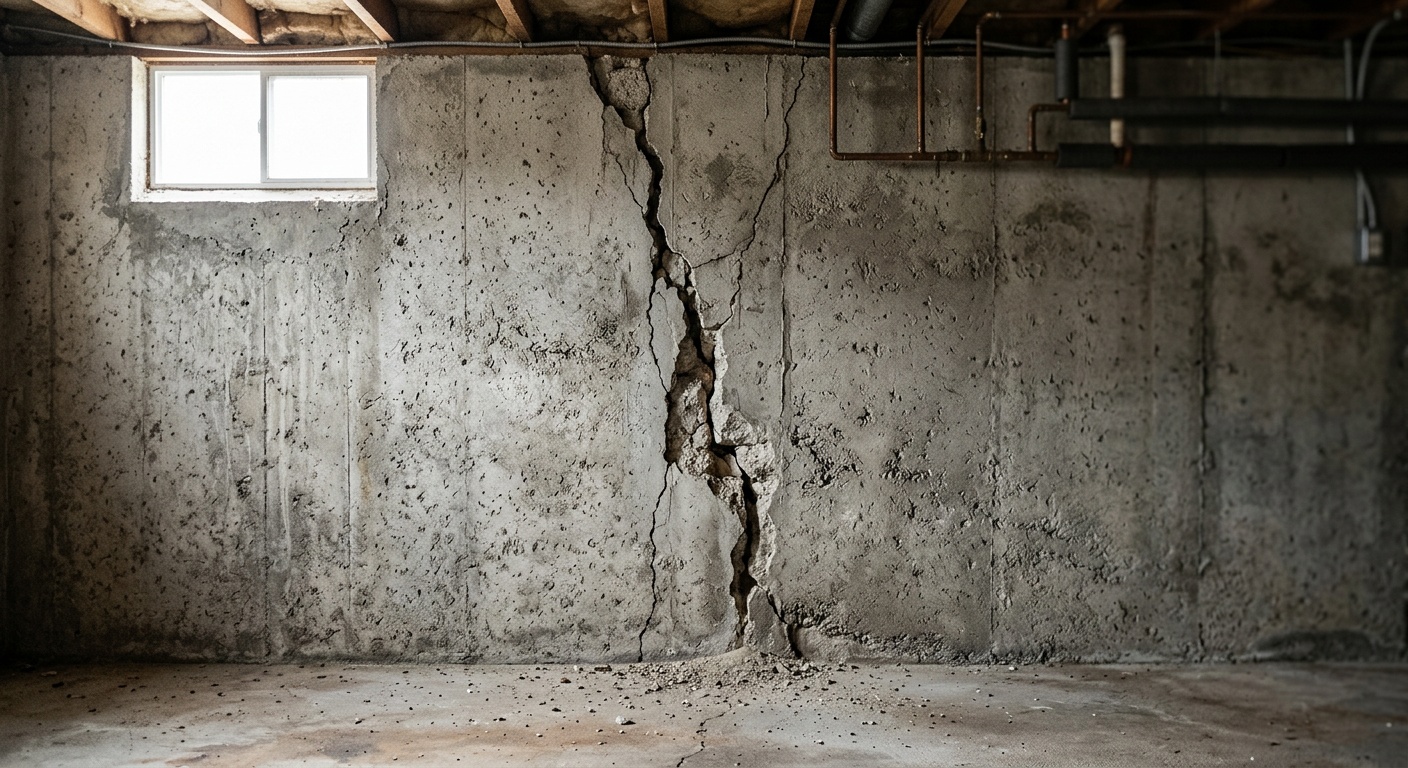
- Diagonal cracks at door and window corners: These are classic indicators of differential settlement or heave. Cracks that run at roughly 45-degree angles from the corners of openings indicate the foundation is moving unevenly.
- Doors and windows that stick or no longer close properly: As the frame racks from foundation movement, door and window openings become slightly parallelogram-shaped instead of perfectly rectangular.
- Cracks in drywall along wall-ceiling joints: Separation between walls and ceilings suggests one element is moving relative to the other — a telltale sign of foundation heave or differential settlement.
- Uneven or sloping floors: A marble placed on the floor shouldn’t roll on its own. If it does, have the floor surveyed.
- Gaps between baseboards and floors: Pulling apart at the base of walls indicates the slab has moved.
Exterior Warning Signs
- Stair-step cracks in brick or block walls: These follow mortar joints in a stair-step pattern and strongly suggest foundation movement beneath masonry elements.
- Gaps between the foundation and the house framing: Visible daylight between the stem wall and the sill plate is serious and requires immediate professional evaluation.
- Cracking or upheaval in concrete flatwork (driveways, sidewalks, patios) adjacent to the house can indicate the same soil movement affecting the foundation.
- Tilting or leaning chimneys: Chimneys are heavy and somewhat independent of the main structure — they can lean or crack when soil beneath their footing moves.
Pro Tip: Take dated photographs of cracks and structural anomalies every six months. Crack progression over time is one of the most important pieces of information a structural engineer needs to properly assess foundation risk.
Real-World Case Studies from SoCal Homeowners
Abstract science only goes so far. Here are two scenarios drawn from common patterns seen by foundation contractors across the region.
Case Study 1: The Rancho Cucamonga Split-Level (2025)
A family in Rancho Cucamonga purchased a 1968 split-level home in early 2024, completing a standard home inspection. The inspector noted minor hairline cracks but categorized them as cosmetic. By the summer of 2025, after a wet winter followed by a severe dry stretch, the owners noticed that their interior garage door wouldn’t latch, a crack had opened in the kitchen tile floor, and the sliding glass door to the patio required significant force to move.
A geotechnical inspection revealed that the home sat on a clay-rich alluvial fan deposit with a plasticity index (PI) of 42 — well within the “high” expansive range. The wet season had caused heave of approximately 1.2 inches on the downhill side of the foundation while the uphill portion, protected by the structure’s shadow effect, had dried and settled slightly. The resulting differential movement was 1.8 inches across a 32-foot span.
Remediation required helical pier installation on the downhill side plus soil moisture management through a subsurface drip irrigation system. Total cost: approximately $34,000. Had the buyers commissioned a specialized geotechnical evaluation prior to purchase, the repair need could have been priced into negotiations — or factored into a decision not to purchase at all.
Case Study 2: The Long Beach Bungalow and the Irrigation Trigger (2026)
In early 2026, a homeowner in the Bixby Knolls neighborhood of Long Beach contacted a foundation specialist after noticing progressive cracking in the plaster walls of their 1940s bungalow. The cracks had appeared gradually over 18 months and were concentrated on the east side of the home near a mature ficus tree.
Investigation revealed that a drip irrigation system installed in 2023 for a new native plant garden had been over-watering a zone directly adjacent to the east foundation wall. The combination of ficus roots extracting moisture from one side while irrigation supersaturated soil on the other had created dramatically uneven moisture content across the foundation footprint.
The solution in this case did not require piers. Instead, the contractor recommended removing the ficus (with a city permit), correcting the irrigation schedule, installing a root barrier, and allowing the soil to equilibrate over 12 months before assessing structural needs. A soil moisture monitoring system with four sensors was installed at a cost of $2,200. Follow-up evaluation in late 2026 showed no further crack progression.
The lesson: Not every foundation problem requires structural intervention. Moisture management is often the first and most cost-effective line of defense.
Damage Severity: A Comparative Overview
| Damage Level | Visual Signs | Structural Risk | Typical Repair Cost | Urgency |
|---|---|---|---|---|
| Level 1 – Cosmetic | Hairline cracks (<1mm), minor paint gaps | Minimal | $500 – $2,000 | Monitor quarterly |
| Level 2 – Minor | Cracks 1–3mm, sticking doors/windows | Low–Moderate | $3,000 – $10,000 | Address within 6 months |
| Level 3 – Moderate | Cracks >3mm, visible floor slope, gaps at baseboards | Moderate | $10,000 – $35,000 | Address within 90 days |
| Level 4 – Severe | Wide cracks, leaning walls, >1″ differential movement | High | $35,000 – $100,000+ | Immediate action required |
| Level 5 – Critical | Structural failure, collapse risk, broken utilities | Severe / Life Safety | $100,000+ or demolition | Evacuate / Emergency |
Foundation Damage Prevalence by SoCal County (2026 Estimates)
Percentage of homes with reported foundation movement issues:
58%
71%
65%
44%
51%
Source: California Geotechnical Engineering Association regional assessments, 2026
Repair Options and What They Actually Cost
Understanding your repair options is half the battle. Here’s a practical breakdown of the most common interventions used in Southern California:
Helical Piers and Push Piers
Helical piers are steel shafts with helical plates that are screwed into stable soil or bedrock beneath the problem area. They transfer the foundation load past the unstable expansive soil layer. Push piers work similarly but use hydraulic pressure rather than rotation to drive the pier to depth.
These are the gold standard for severe settlement and are particularly effective in the Inland Empire where deep stable strata are reachable at 20–40 feet. Expect to pay $1,500 to $3,500 per pier, with most jobs requiring 8–20 piers depending on structure size and damage extent.
Slab Lifting and Polyurethane Foam Injection
For less severe heave and settlement issues, especially under concrete flatwork and slab foundations, polyurethane foam injection (sometimes called “polyjacking” or “foam lifting”) is a minimally invasive option. Small holes are drilled in the slab, expanding foam is injected underneath, and the slab lifts back toward level.
This approach works best for Level 1–2 situations and is considerably less expensive than pier installation, typically ranging from $3 to $25 per square foot of affected slab. However, it does not address the underlying soil instability — it’s a correction, not a cure.
Soil Moisture Management Systems
As illustrated in the Long Beach case study, sometimes the most effective intervention is controlling the moisture environment around the foundation. Modern subsurface drip irrigation systems designed specifically for foundation moisture control can maintain consistent soil moisture year-round, dramatically reducing the wet-dry cycling that drives expansive soil damage.
These systems, installed by specialized contractors, typically cost $3,000 to $8,000 for a standard single-family home and can be paired with soil moisture sensors and automated controllers. In cases where heave is the primary problem (soil too wet), French drains and grading corrections may be the equivalent approach.
Underpinning and Grade Beams
For older homes lacking adequate footings, or situations requiring more comprehensive structural reinforcement, traditional underpinning (deepening or widening existing footings) or the addition of reinforced concrete grade beams can provide long-term stability. This is the most invasive and expensive option, often requiring partial excavation around the foundation perimeter. Costs range from $50,000 to $150,000+ for comprehensive underpinning projects.
Prevention Strategies That Actually Work
If your home hasn’t yet shown significant damage — or you’ve just completed repairs — prevention is your most powerful tool. Here’s what geotechnical professionals consistently recommend:
1. Establish and Maintain Consistent Soil Moisture Year-Round
The goal isn’t wet soil or dry soil — it’s consistent soil moisture. Use a properly programmed drip irrigation system along the foundation perimeter to maintain steady moisture during dry months. Avoid overwatering, which creates heave, and ensure adequate drainage prevents standing water.
2. Grade Your Lot for Positive Drainage
The ground surface around your home should slope away from the foundation at a minimum grade of 6 inches over 10 feet. Flat or inward-sloping grades concentrate moisture against the foundation during rain events — a common problem in older SoCal neighborhoods where landscaping has accumulated over decades.
3. Manage Trees Strategically
Keep large trees — especially ficus, eucalyptus, and willow species — at least 20 feet from your foundation. If you have existing large trees closer than this, consult an arborist about root barriers and carefully monitor for soil moisture changes near the foundation.
4. Maintain Gutters and Downspout Extensions
Gutters that overflow or discharge directly at the foundation wall create localized soil saturation that directly drives heave. Extend downspouts at least 6 feet from the foundation, and clean gutters twice yearly — particularly important given SoCal’s brief but intense rain seasons.
5. Commission Periodic Geotechnical Evaluations
For homes in high-risk zones (Plasticity Index above 20, identified expansive soil areas per county maps), a professional geotechnical evaluation every 5–7 years is money well spent. Many foundation contractors now offer annual inspection programs for under $500 that include floor elevation surveys using digital levels — one of the most sensitive early-warning tools available.
Frequently Asked Questions
Does homeowner’s insurance cover foundation damage from expansive soil movement in California?
In most cases, standard homeowner’s insurance policies do not cover foundation damage caused by soil movement, including expansive clay shrinkage and swelling. This type of damage is typically classified as “earth movement” or “settling,” both of which are standard policy exclusions. Some insurers offer supplemental coverage riders for soil movement, but these are uncommon and often expensive. This is why preventive maintenance and early intervention are so critical — once damage reaches Level 3 or 4, you’re very likely paying out of pocket.
How do I find out if my specific property sits on expansive soil?
There are several ways to investigate your specific risk. First, check your county’s public GIS portal — both Los Angeles and San Bernardino counties publish geologic hazard maps that include expansive soil classifications. Second, if you purchased your home after 1998 in California, your seller was required to disclose any known geologic hazards via the Natural Hazard Disclosure Statement — review this document if you have it. Third, and most reliably, commission a geotechnical investigation from a licensed geotechnical engineer. For a single-family residence, a standard Phase I geotechnical assessment including soil sampling and lab plasticity testing typically costs $1,500 to $4,500 and provides definitive, site-specific risk data.
If I’m buying a home in SoCal, how can I protect myself from inheriting a foundation problem?
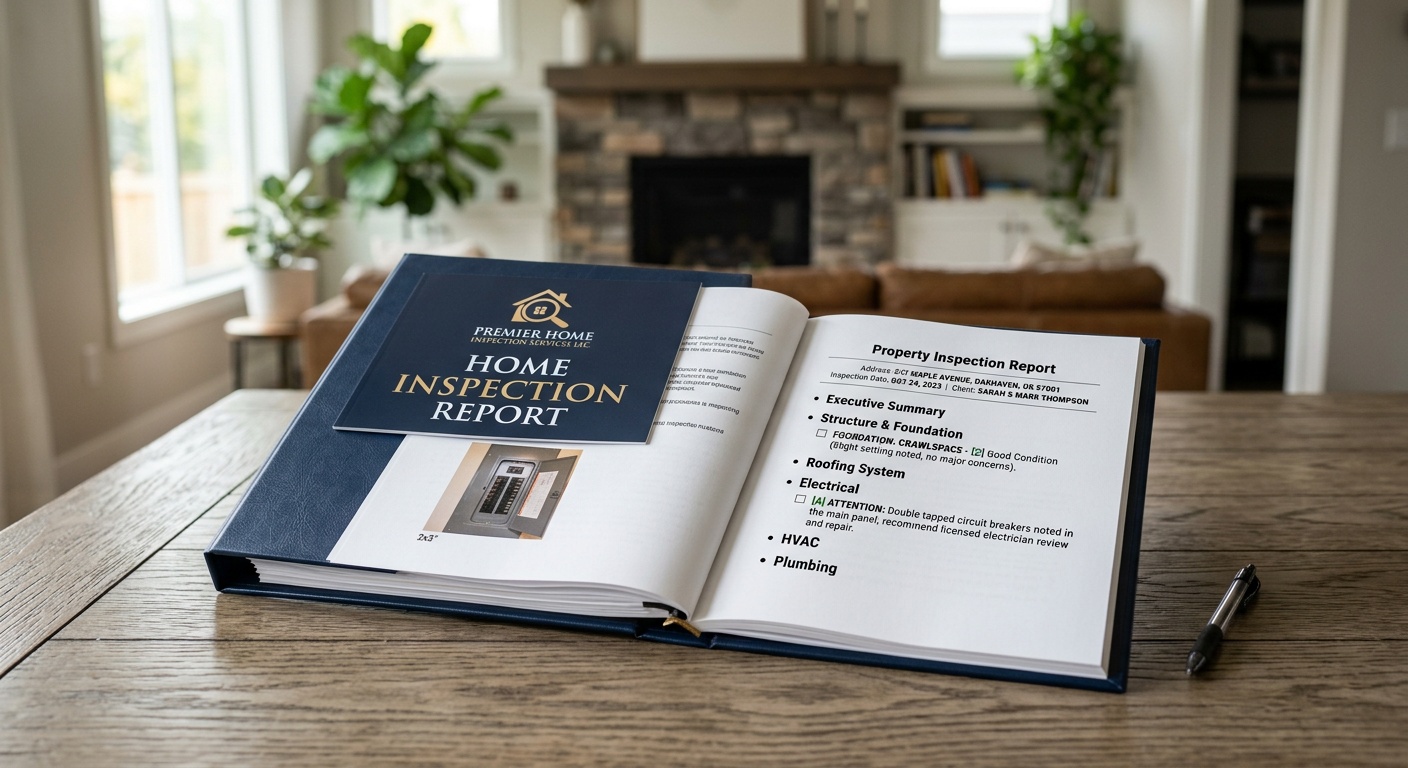
Beyond the standard home inspection, consider two additional steps when purchasing in high-risk areas. First, request a specialized structural engineering inspection ($400–$800) from an engineer who specifically evaluates foundation performance — this goes deeper than a standard home inspection. Second, review the property’s permit history through your local building department. Unpermitted foundation repairs are a significant red flag that sellers may not disclose voluntarily. If you’re purchasing in a high-PI soil area (Inland Empire, east San Fernando Valley, Temecula Valley), budget proactively: many buyers in 2026 are negotiating concessions of $15,000–$40,000 based on geotechnical findings revealed in pre-purchase inspections.
Your Foundation Protection Roadmap: Immediate Action Steps
The soil beneath your Southern California home is not neutral ground — it’s an active, dynamic system that responds to every rain event, every dry spell, and every gallon of water from your garden hose. The homes that avoid catastrophic foundation failure aren’t lucky; they’re maintained with intention.
Here’s your practical roadmap, regardless of where you are on the risk spectrum:
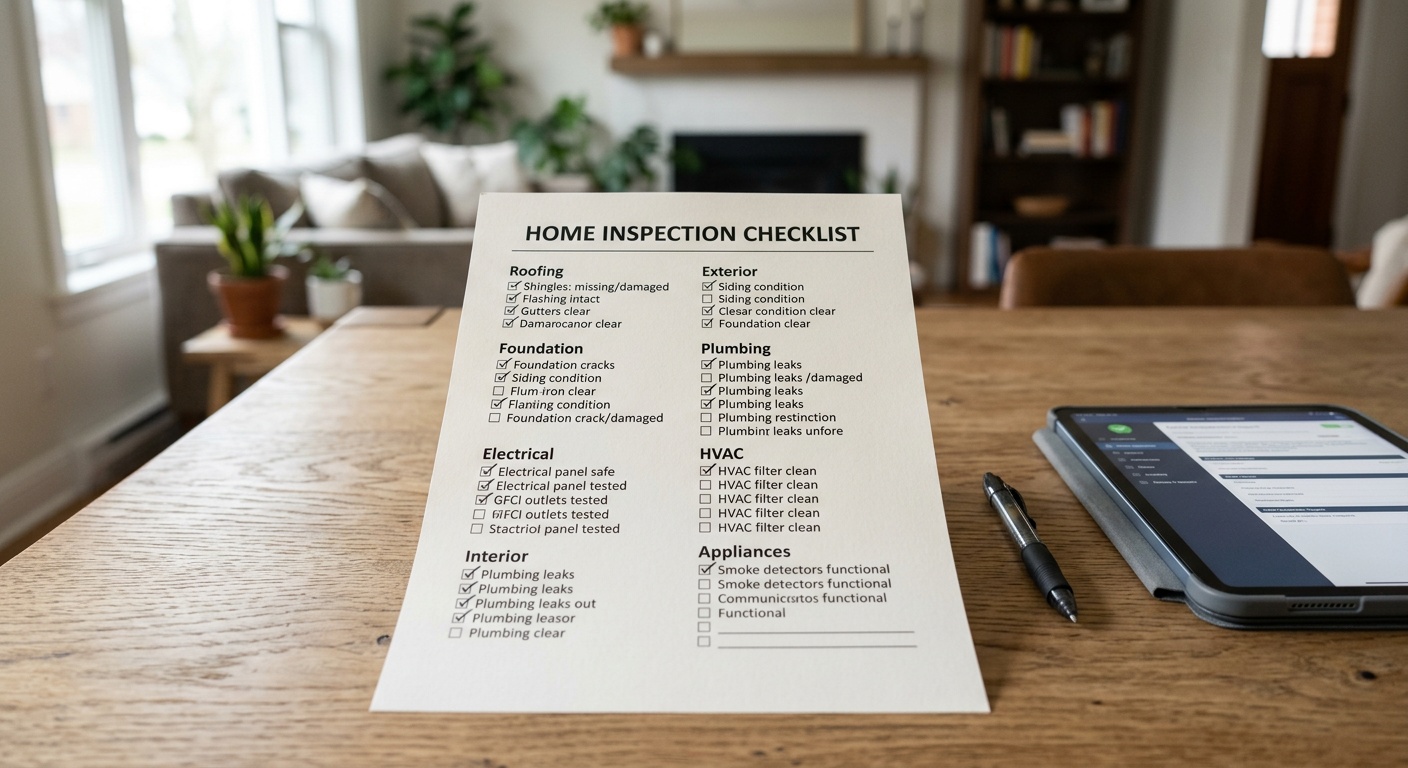
- Within the next 30 days: Walk your property’s perimeter and interior with a critical eye. Photograph every crack, gap, sticking door, and sloped floor area. Date the photos. This creates your baseline.
- Within 60 days: Check your county’s online GIS mapping for your parcel’s soil classification. If your property falls in a moderate-to-high expansive soil zone, schedule a consultation with a licensed geotechnical engineer or structural engineer.
- By end of year: Assess your irrigation system, drainage grading, and tree proximity to the foundation. Make corrections to any conditions that create uneven moisture distribution around your slab or footings.
- Ongoing: Establish a semi-annual inspection habit. Re-photograph documented cracks every six months. Any crack that has widened by more than 1mm in six months deserves professional evaluation.
- If you’re buying: Never skip the specialized geotechnical and structural inspection. In 2026’s SoCal market, informed buyers are negotiating concessions that are paying for repairs — or walking away from money pits before the keys change hands.
As Southern California’s climate continues to swing between extreme wet and extreme dry — a pattern that climate scientists project will intensify through 2030 and beyond — the homes that survive intact will be the ones whose owners treated their foundation not as a permanent fact, but as a living system that requires attention.
The crack in your wall isn’t just a cosmetic flaw. It’s your house talking to you. The question is: are you listening?