Home Inspection Red Flags Southern California Buyers Should Know
Reading time: 14 minutes
You’ve found the home of your dreams in San Diego, Pasadena, or somewhere along the sun-soaked stretch of the Inland Empire. The listing photos look flawless, the backyard is perfect for weekend barbecues, and the price—while steep—feels justifiable. Then your home inspector hands you a report that reads like a legal thriller. What do you do next?
Southern California’s housing market in 2026 remains one of the most competitive in the nation, with median home prices in Los Angeles County hovering around $860,000, according to the California Association of Realtors’ Q1 2026 report. In this kind of market, buyers are tempted to waive contingencies, rush inspections, or simply ignore red flags to close the deal. That’s a gamble that could cost you tens—sometimes hundreds—of thousands of dollars in repairs, lawsuits, or health issues down the road.
Here’s the straight talk: a home inspection isn’t just a formality. It’s your final line of defense before one of the biggest financial decisions of your life. This guide breaks down exactly what to watch for, why Southern California’s unique climate and geology create specific vulnerabilities, and how to negotiate like a pro when red flags appear.
Table of Contents
- Why Southern California Is a Unique Inspection Landscape
- Structural Red Flags You Cannot Afford to Ignore
- Water, Moisture, and Drainage Issues
- Electrical and Plumbing Problems
- HVAC, Ventilation, and Energy Efficiency
- Pest Damage and Environmental Hazards
- Red Flags at a Glance: Severity Comparison Table
- Most Common Southern California Inspection Failures
- FAQs
- Your SoCal Home Buyer’s Action Plan
Why Southern California Is a Unique Inspection Landscape
Most home inspection guides are written for a generalized American audience—think Midwestern winters, East Coast humidity, or Pacific Northwest rainfall. Southern California plays by entirely different rules. The region’s semi-arid climate, seismic activity, wildfire exposure, and aging housing stock create a unique combination of vulnerabilities that even seasoned real estate professionals sometimes underestimate.
Consider this: approximately 63% of Southern California’s housing inventory was built before 1980, according to data from the Southern California Association of Governments (SCAG) 2025 Regional Housing Assessment. That means millions of homes were constructed before current seismic codes, before modern electrical standards, and often before we fully understood the long-term effects of certain building materials like asbestos and lead paint.
Then there’s the geography. A home in the hills of Bel Air faces different risks than one in the flatlands of Torrance or a canyon property in Laguna Beach. Slope stability, expansive soils, ocean-salt corrosion, and fire zone classifications all factor into what your inspector should be scrutinizing. The good news? When you know what to look for, you can transform potential deal-breakers into powerful negotiating tools—or at the very least, informed decisions.
The Inspection Process in California: What to Expect
In California, sellers are legally required to disclose known material defects through the Transfer Disclosure Statement (TDS) and, in some counties, additional local addendums. But disclosures are only as good as the seller’s knowledge and honesty. A professional home inspection gives you an independent, objective assessment of the property’s physical condition.
California home inspectors are not state-licensed (the state currently relies on voluntary certification through organizations like CREIA—the California Real Estate Inspectors Association), but most reputable inspectors hold certifications from national bodies like InterNACHI or ASHI. In 2025, California Assembly Bill 1412 proposed mandatory licensing for home inspectors, and as of 2026, the bill is in active implementation, meaning standards are rising across the board. Always hire an inspector who carries errors and omissions (E&O) insurance and provides a written, detailed report with photos.
When to Walk Away vs. When to Negotiate
Not all red flags are deal-killers. Experienced buyers learn to triage inspection findings into three categories: cosmetic issues (chipped paint, dated fixtures), maintenance items (aging water heater, worn roof), and serious structural or safety defects (active water intrusion, faulty electrical panels, compromised foundations). The third category demands either renegotiation or walking away entirely.
Structural Red Flags You Cannot Afford to Ignore
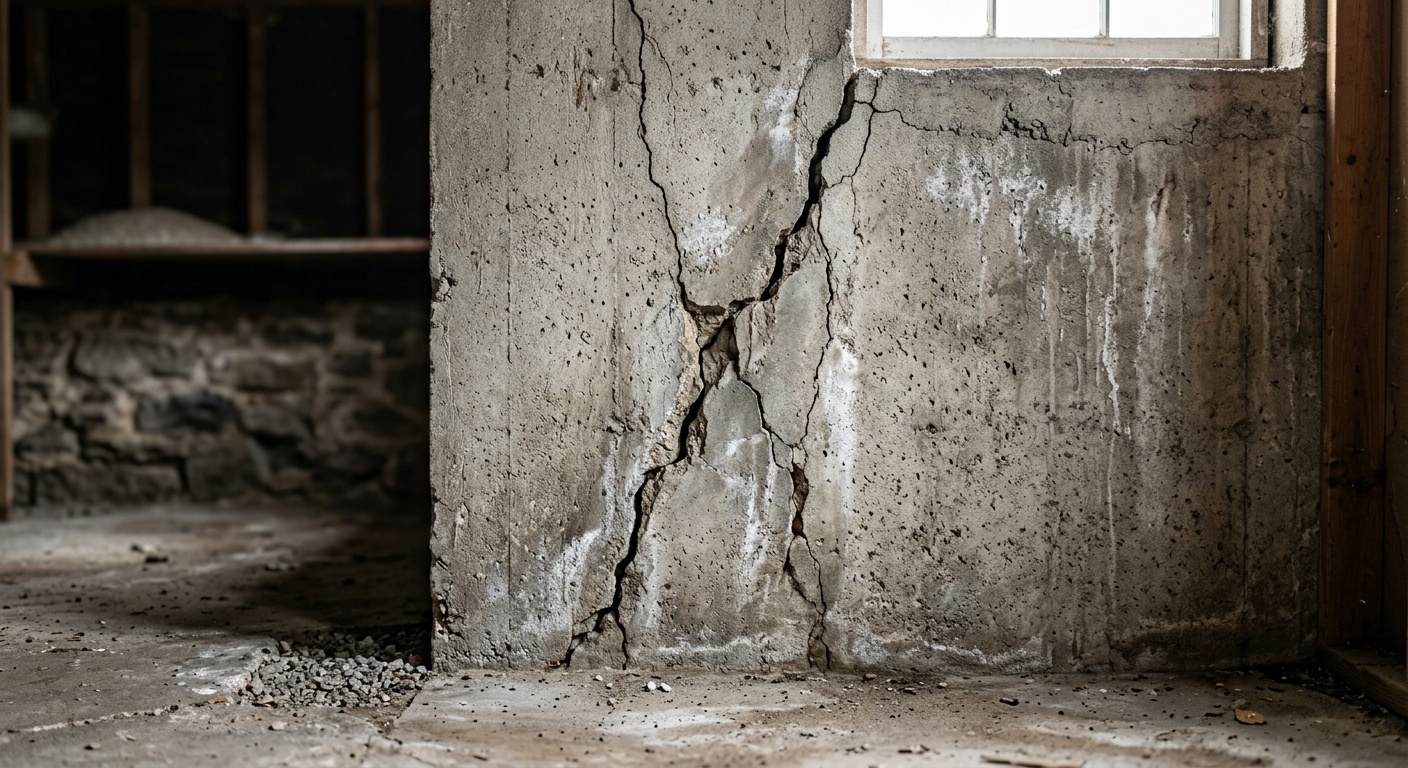
Structural problems are the category that keeps real estate attorneys busy and buyers up at night. In Southern California, foundation issues are especially prevalent due to the region’s expansive clay soils, seismic activity, and the prevalence of older slab-on-grade construction that wasn’t designed with modern earthquake codes in mind.
Foundation Problems: Southern California’s Silent Threat
During a 2025 home inspection in Northridge—ironically close to the epicenter of the 1994 Northridge earthquake—a buyer discovered that the seller had cosmetically patched a series of diagonal cracks in the drywall without disclosing an underlying foundation shift. The repair estimate came in at $47,000. The buyer, armed with her inspection report, successfully negotiated a $41,000 credit at closing.
Here are the specific foundation red flags your inspector should flag in Southern California:
- Diagonal cracks at door and window corners: These often indicate differential settlement, where one part of the foundation has dropped more than another.
- Sticking doors and windows: When frames rack out of square due to foundation movement, doors and windows are often the first to show it.
- Gaps between walls and ceilings or floors: Separation that exceeds 1/4 inch is a serious concern.
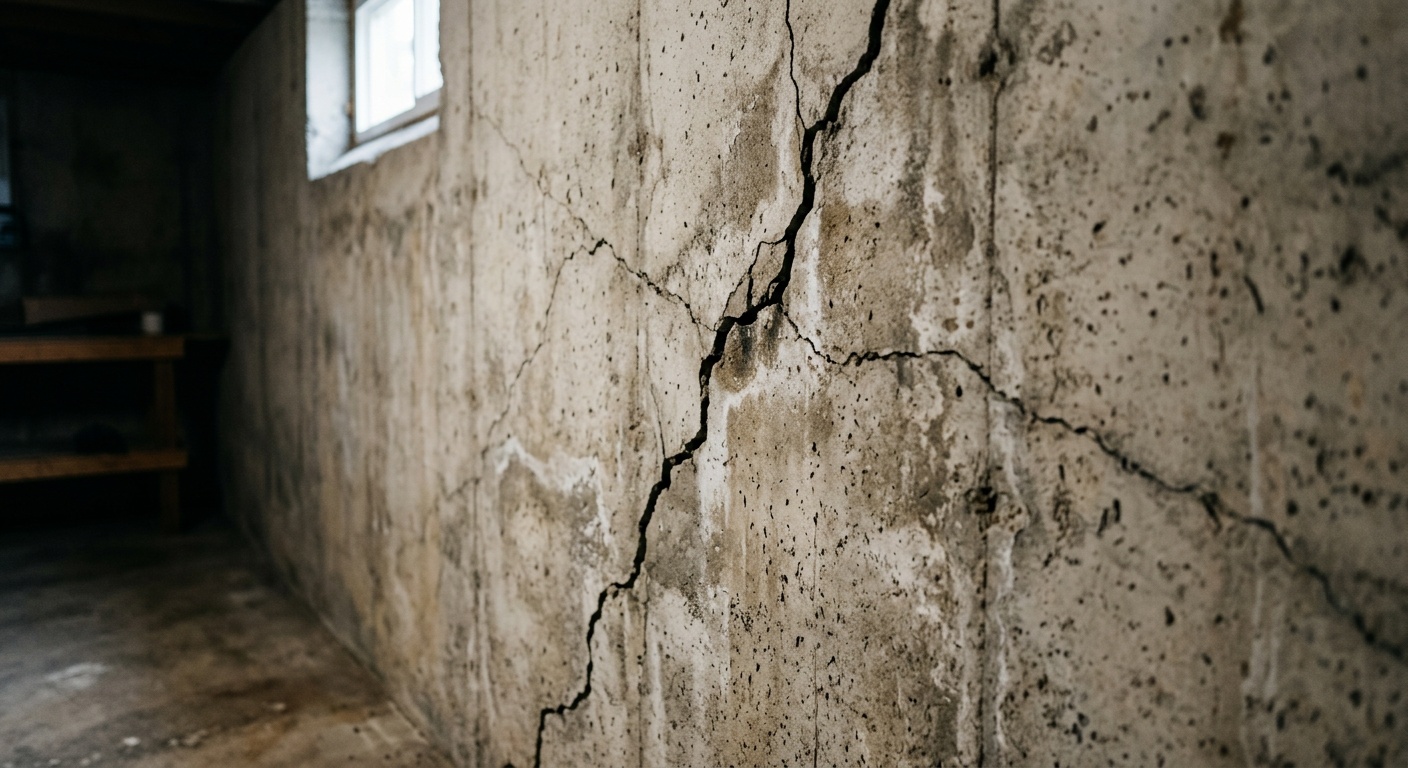
- Visible cracks in the slab or perimeter foundation: Horizontal cracks in stem walls are particularly alarming—they suggest lateral pressure from soil.
- Sloping floors: A slope exceeding 1 inch per 8 feet is generally considered significant.
- Cripple wall vulnerabilities: In older California homes with raised foundations, unbraced cripple walls are a known earthquake risk. Look for bolting and plywood sheathing.
Foundation repairs in Southern California range from $5,000 for minor crack injection to $80,000 or more for full underpinning or helical pier installation. Don’t let a seller’s cosmetic patch fool you—always request a structural engineer’s evaluation if your inspector raises concerns.
Roof Condition: More Than Just Missing Shingles
Southern California’s intense UV exposure degrades roofing materials faster than in most other regions. A roof that looks “okay” from the curb can be hiding significant issues. Inspectors should physically access the roof when safe to do so, checking for:
- Cracked, curling, or missing tiles/shingles
- Improper flashing around chimneys, vents, and skylights
- Sagging ridgelines (potential rafter or sheathing failure)
- Evidence of previous repairs or multiple roofing layers
- Debris accumulation in valleys that can cause water damming
In 2026, California’s Title 24 energy code increasingly incentivizes cool roof installations, which means some older non-compliant roofs can trigger permit complications during resale. If the roof is over 15 years old, budget for a full replacement—typically $18,000 to $35,000 for a standard SoCal home.
Water, Moisture, and Drainage Issues
It’s easy to dismiss water concerns in a region that averages under 15 inches of rain per year. But Southern California’s infrequent, intense rain events—particularly during La Niña and El Niño cycles—mean that drainage and waterproofing flaws that go unnoticed for years can cause catastrophic damage in a single storm. The winter of 2024-2025 saw record rainfall across Los Angeles and San Diego counties, and insurance claims for water intrusion damage spiked by 34% according to the California Department of Insurance’s 2025 Annual Report.
Grading and Drainage: The Invisible Enemy
Proper lot grading should slope away from the home’s foundation at a minimum of 6 inches over the first 10 feet. In Southern California, hillside properties and older subdivisions frequently have compromised grading due to landscaping changes, additions, or erosion. Poor drainage leads to:
- Hydrostatic pressure against foundation walls
- Crawlspace or subfloor moisture that promotes mold and wood rot
- Saturated soils that can contribute to foundation movement
- Standing water near electrical systems or HVAC equipment
Look for efflorescence (white mineral deposits) on concrete surfaces near grade level—it’s a telltale sign of water migration. Also check downspout terminations: in many Southern California homes built in the 1960s and 70s, downspouts drain directly against the foundation rather than extending away.
Mold and Indoor Air Quality
Mold growth in Southern California is most commonly associated with bathroom ventilation failures, attic condensation, and poorly sealed sliding glass doors and windows in coastal properties. Salt air accelerates the deterioration of window seals, and once moisture gets into wall cavities, mold can develop within 24 to 48 hours.
Your standard home inspection does not include mold testing—that requires a separate certified mold inspector. However, a good inspector will flag suspicious staining, musty odors, and conditions conducive to mold growth. If you’re purchasing a property in a coastal zip code (roughly within 5 miles of the ocean), consider adding a separate moisture and air quality inspection to your due diligence stack.
Electrical and Plumbing Problems
Electrical and plumbing deficiencies rank among the most common—and most costly—inspection findings in Southern California’s older housing stock. Many homes built between 1950 and 1985 contain systems that were standard at the time but are now considered obsolete, hazardous, or simply inadequate for modern energy demands.
Electrical Red Flags
The Federal Pacific Electric (FPE) Stab-Lok panel was installed in millions of American homes between the 1950s and 1980s, and it’s still found in Southern California homes today. These panels have a documented history of breaker failures—failing to trip during overloads, which can cause fires. If your inspector identifies an FPE panel, budget $3,000 to $6,000 for a full panel replacement.
Other critical electrical concerns include:
- Aluminum wiring: Common in homes built 1965-1973, aluminum wiring at receptacles and switches creates fire risk due to oxidation and heat expansion. Remediation typically involves installing anti-oxidant compound at connections or full replacement.
- Double-tapped breakers: Two wires connected to a single breaker terminal is a code violation and a fire hazard.
- Absence of GFCI protection: Ground Fault Circuit Interrupter outlets are required within 6 feet of water sources in kitchens, bathrooms, garages, and outdoor areas per current NEC code.
- Ungrounded two-prong outlets: Prevalent in pre-1960s homes; incompatible with modern appliances and a shock risk.
- Inadequate panel amperage: A 100-amp service may be insufficient for modern homes with EV chargers, solar arrays, and high-efficiency HVAC systems. In 2026, many Southern California counties now require 200-amp service as a prerequisite for EV charging infrastructure permits.
Plumbing: Galvanized Pipes and Slab Leaks
Galvanized steel pipes—common in homes built before 1960—corrode from the inside out, restricting water flow and eventually failing. Running the water at multiple fixtures simultaneously gives you a rough sense of pressure: if pressure drops significantly, galvanized pipes may be the culprit. Full repiping with copper or PEX typically runs $8,000 to $20,000 depending on home size.
Southern California’s slab-on-grade construction also makes homes particularly vulnerable to slab leaks—pipe failures beneath the concrete foundation. Slab leaks can go undetected for months, causing significant foundation damage and mold growth. Red flags include unexplained spikes in water bills, warm spots on the floor, and the sound of running water when no fixtures are on. A licensed plumber should perform a pressure test if any of these indicators are present.
HVAC, Ventilation, and Energy Efficiency
Southern California’s summer heat has become increasingly extreme. In the summers of 2024 and 2025, the greater Los Angeles basin recorded consecutive days above 105°F, and the California ISO (Independent System Operator) declared multiple grid emergency warnings. In this environment, a properly functioning HVAC system is not a luxury—it’s a health and safety necessity.
If the home you’re considering lacks central air conditioning or has an undersized or failing system, you’ll want to understand your options before closing. For smaller spaces or single rooms, there are creative solutions—such as learning how to make room colder without ac—but for whole-home cooling in the SoCal heat, a functioning central system is critical.
HVAC Red Flags to Inspect
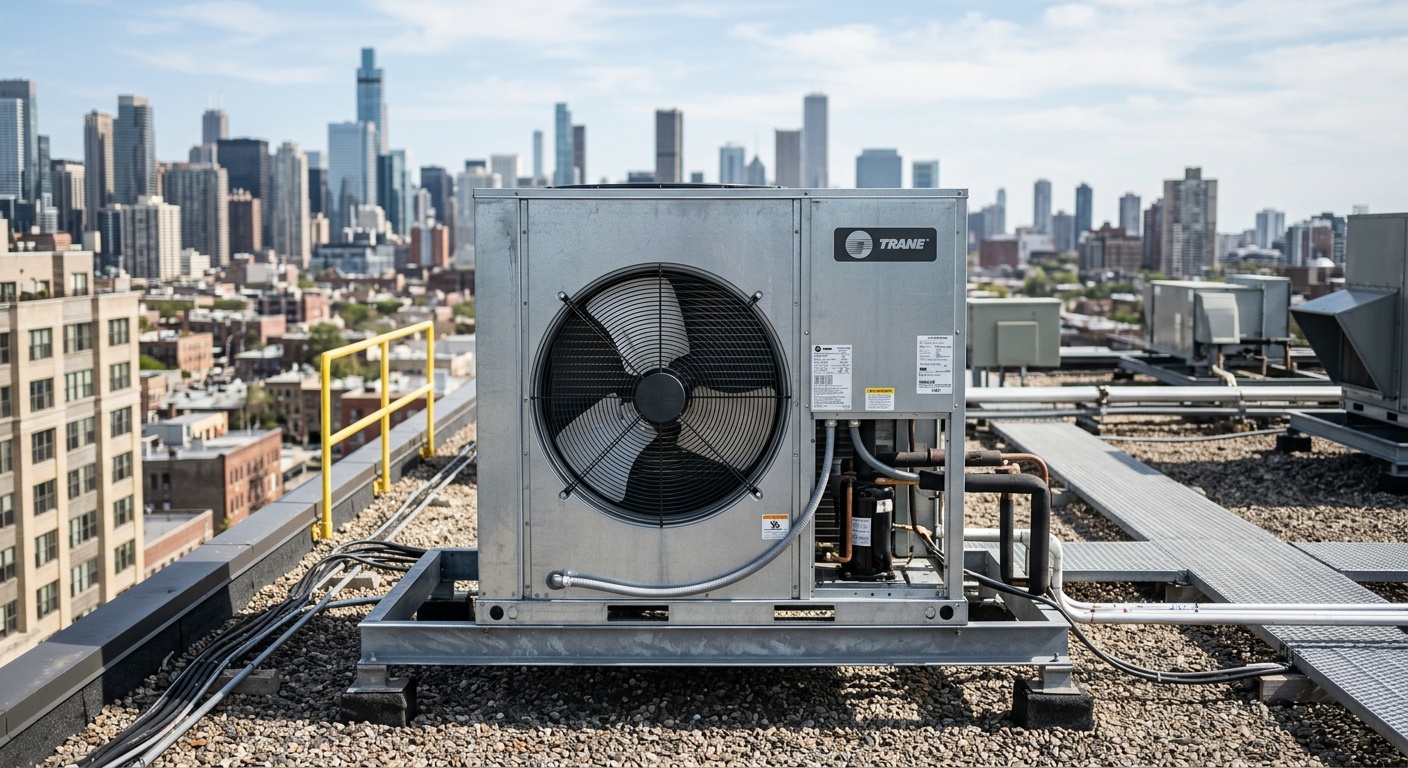
- Age of the system: Central HVAC units have a functional lifespan of 15-20 years. Systems over 20 years old should be budgeted for replacement ($8,000-$16,000 for a full split system).
- Improper sizing: An oversized or undersized system leads to energy inefficiency, humidity problems, and premature wear. Ask for documentation on the original load calculation.
- Ductwork condition: In attic-mounted systems (common in Southern California), duct insulation degrades under extreme heat cycling. Leaky ducts can reduce system efficiency by 20-30%.
- Combustion safety: Gas furnaces should be inspected for heat exchanger cracks, which can allow carbon monoxide to enter living spaces.
- Absence of fresh air exchange: Modern California Title 24 standards require mechanical ventilation in new and substantially remodeled homes. Older homes with tight, energy-efficient windows but no ventilation system can have dangerously poor indoor air quality.
Pest Damage and Environmental Hazards
California’s warm climate is paradise not just for humans, but for a variety of pests that can cause serious structural damage. A standard home inspection does not typically include pest inspection—in California, this is a separate service usually provided by a licensed Structural Pest Control operator and often called a “Section 1” and “Section 2” report.
Termite Damage: A Southern California Special
Drywood and subterranean termites are endemic to Southern California. The California Department of Pesticide Regulation estimates that termite damage costs the state’s homeowners over $1.5 billion annually. Drywood termites, which live entirely within the wood they consume, are especially common in coastal communities from Santa Barbara to San Diego.
Section 1 items on a pest report indicate active infestation or damage—these are typically lender-required repairs that must be completed before close of escrow. Section 2 items indicate conditions conducive to infestation (wood-to-soil contact, debris under home, etc.) and are negotiable. A typical fumigation for a 2,000 square foot home runs $1,800 to $3,500. Localized wood replacement can add another $2,000 to $15,000 depending on the extent of structural damage.
Asbestos and Lead Paint
Homes built before 1978 may contain lead-based paint, and homes built before 1980 may contain asbestos in insulation, floor tiles, acoustic “popcorn” ceilings, and pipe wrap. In Southern California, the prevalence of these materials is significant given the high proportion of pre-1980 housing stock.
Neither asbestos nor lead paint is inherently dangerous if it’s intact and undisturbed. The risk arises during renovation or deterioration. If you’re purchasing an older home with renovation plans, budget for hazardous material testing ($300-$800) and potential abatement ($1,500-$30,000 depending on extent). This is particularly important in 2026, as California’s updated AB 832 regulations—fully in effect since January 2026—place stricter liability on sellers and contractors who fail to disclose or properly handle these materials.
Wildfire Zone Considerations
By 2026, nearly 40% of Southern California’s residential parcels fall within a State Responsibility Area (SRA) or High/Very High Fire Hazard Severity Zone (FHSZ), according to CAL FIRE’s 2025 mapping update. If the home you’re purchasing is in one of these zones, your inspection should flag:
- Combustible roofing materials (wood shake is prohibited in most FHSZ zones)
- Lack of ember-resistant vents
- Inadequate clearance of vegetation from the home (California’s “defensible space” laws require 100-foot clearance)
- Combustible decking materials adjacent to the home
- Absence of fire-resistant landscaping in the immediate zone
Failing to address these issues doesn’t just create physical risk—it can affect your insurability. Multiple major insurers have reduced or eliminated coverage offerings in California’s high-fire-risk zones in 2025 and 2026, making wildfire hardening a financial as well as safety priority.
Red Flags at a Glance: Severity and Cost Comparison
| Red Flag | Severity Level | Estimated Repair Cost (2026) | Negotiating Power | Action Recommended |
|---|---|---|---|---|
| Foundation cracks / movement | Critical | $15,000–$80,000+ | Very High | Structural engineer evaluation required |
| Faulty electrical panel (FPE/Zinsco) | Critical | $3,000–$6,000 | High | Full replacement before close |
| Active termite infestation (Section 1) | High | $2,000–$18,000 | High (lender may require) | Negotiate seller completion or credit |
| Slab leak | High | $5,000–$25,000 | High | Licensed plumber pressure test |
| Aging HVAC (15+ years) | Moderate | $8,000–$16,000 | Moderate | Credit negotiation or price reduction |
Most Common Southern California Inspection Failures (2025 Data)
Based on aggregated data from CREIA member inspectors across Los Angeles, Orange, Riverside, and San Diego counties in 2025, the following categories represent the most frequently flagged issues in residential home inspections:
Source: CREIA Southern California Member Inspector Survey, 2025. Data reflects percentage of total inspections with at least one defect in each category.
Frequently Asked Questions
How much should I budget for a thorough home inspection in Southern California in 2026?
A standard home inspection from a qualified CREIA or InterNACHI-certified inspector typically costs between $450 and $750 for a home under 2,000 square feet in Southern California, with larger or more complex homes ranging up to $1,200. However, budget additional funds for specialty inspections: a structural pest report runs $150-$300, a sewer scope inspection costs $175-$350, and a mold or air quality inspection adds another $300-$600. For a thorough due diligence package on an older SoCal home, plan for $1,000 to $2,000 total in inspection costs. This upfront investment can identify tens of thousands in potential repair obligations.
Can a seller refuse to make repairs after a home inspection in California?
Yes—in California, sellers are legally obligated to disclose known defects, but they are not automatically required to make repairs. The inspection contingency in your purchase contract creates a negotiation window, not a repair mandate. After receiving the inspection report, you can request repairs, request a price reduction or credit, negotiate a combination of both, or withdraw from the transaction entirely if the seller refuses and the issues are significant. In 2026’s competitive Southern California market, sellers have more leverage than in 2022-2023, but buyers still hold meaningful power when inspections reveal serious structural, safety, or code-compliance issues.
What is a “sewer scope” inspection and why is it important in Southern California?
A sewer scope inspection involves inserting a fiber-optic camera into the home’s main sewer lateral to inspect the condition of underground pipes from the home to the city connection. In Southern California, this is particularly important because many homes have clay or Orangeburg (tar-paper) sewer lines installed in the 1950s through 1970s that have reached or exceeded their functional lifespan. Root intrusion from mature landscaping—especially the iconic jacaranda and ficus trees common in older SoCal neighborhoods—is a leading cause of sewer line failure. A full sewer line replacement in Southern California averages $8,000 to $22,000. A $200 sewer scope inspection that reveals this issue before you close escrow is an exceptional return on investment.
Your SoCal Home Buyer’s Action Plan
The Southern California housing market in 2026 rewards the prepared buyer. Knowledge truly is negotiating power here. As you move toward making an offer—or as you’re standing in that open house wondering whether the charming 1962 ranch home is hiding secrets—here’s your concrete action plan:
- Step 1 — Pre-Offer Research: Pull the property’s permit history from the local building department (available online in most SoCal counties). Unpermitted additions or conversions are red flags before you even schedule an inspection.
- Step 2 — Hire Strategically: Don’t use the inspector your agent recommends without vetting them independently. Verify CREIA or InterNACHI certification, check Google and Yelp reviews, and confirm they carry E&O insurance. Ask specifically about their experience with homes in your target neighborhood and era.
- Step 3 — Attend the Inspection: This is non-negotiable. Walking through the property with your inspector and asking questions in real-time gives you context that no written report can fully replicate. Block out 3-4 hours for a thorough inspection.
- Step 4 — Layer Your Inspections: For homes built before 1980, stack a pest inspection, sewer scope, and potentially a chimney or structural engineer evaluation alongside your general inspection. The additional cost is minimal compared to post-purchase surprises.
- Step 5 — Triage and Negotiate: Categorize findings by severity (cosmetic, maintenance, critical) and build your repair request or credit demand around the critical and high-priority items. Get contractor bids to support your negotiating position with real numbers.
As California’s housing market continues to evolve under pressure from insurance retreats, climate risk, and aging infrastructure, buyers who invest in comprehensive due diligence will be the ones who build lasting wealth rather than inheriting someone else’s deferred maintenance. The broader trend is clear: in an era of climate-intensified risk, what you know before you buy matters more than ever.
So here’s the question worth sitting with: Is the home you’re considering truly priced for the condition it’s in—or are you buying someone else’s problem at a premium price? Let your inspection answer that with confidence.