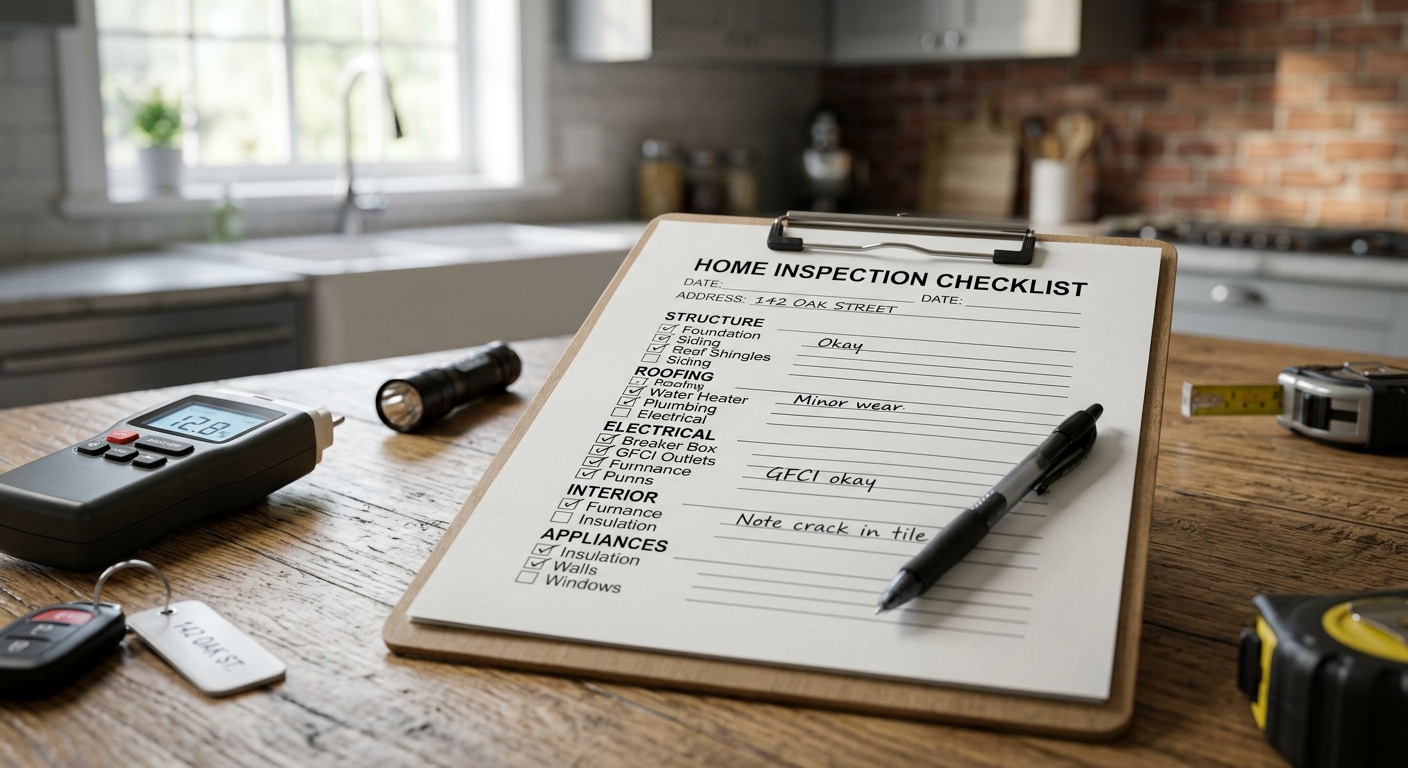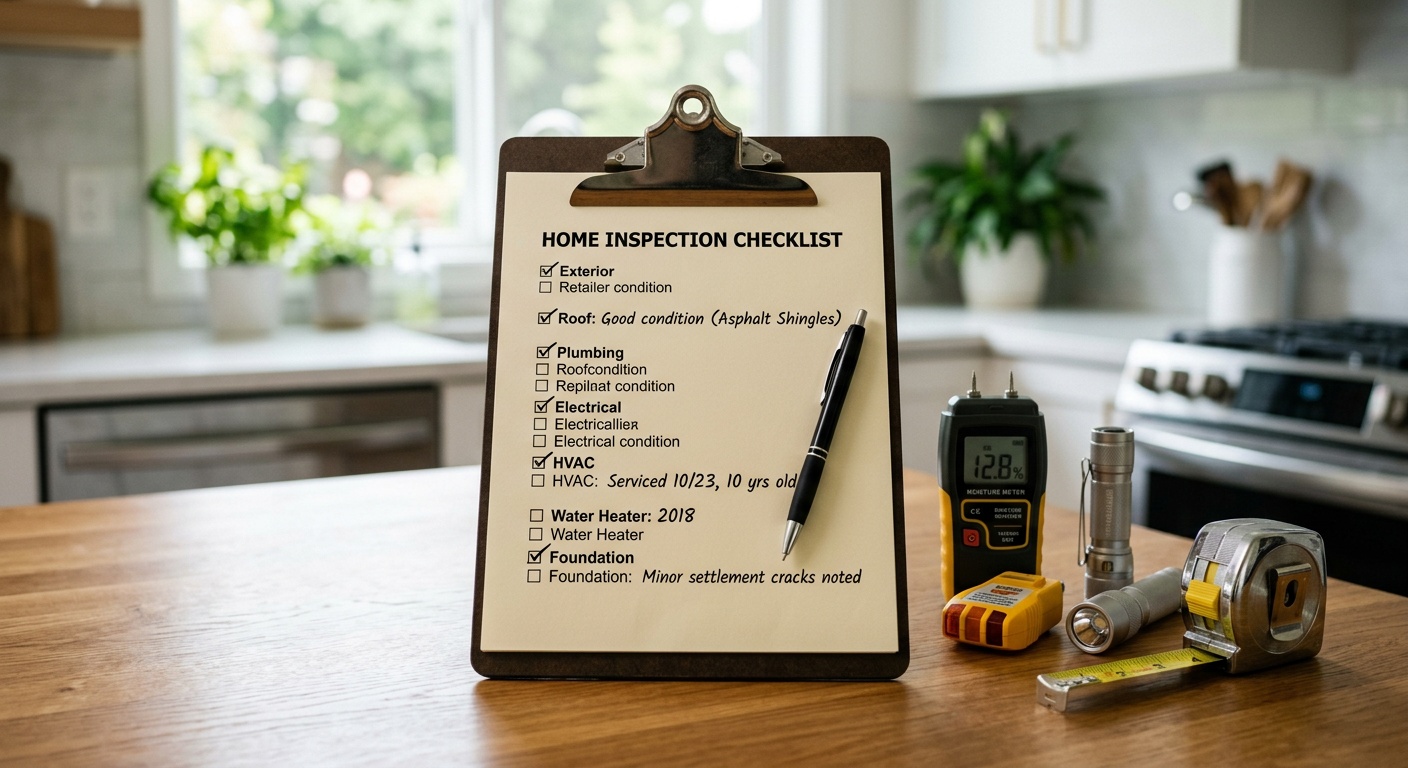
Complete Home Renovation Checklist Before Buying in SoCal
Reading time: 14 minutes
Ever walked through an open house in Pasadena or Torrance, fallen in love with the curb appeal, and then wondered what exactly lies beneath that freshly painted exterior? You’re not alone. In Southern California’s 2026 real estate market — where median home prices in Los Angeles County hover around $875,000 and inventory remains historically tight — buying a fixer-upper or even a “move-in ready” home without a thorough renovation checklist is a gamble that can cost you tens of thousands of dollars.
The good news? A smart, systematic pre-purchase renovation assessment isn’t just about spotting problems. It’s about turning SoCal’s unique housing quirks — seismic retrofitting needs, aging infrastructure, drought-resilient landscaping requirements — into informed negotiation leverage and long-term investment wins.
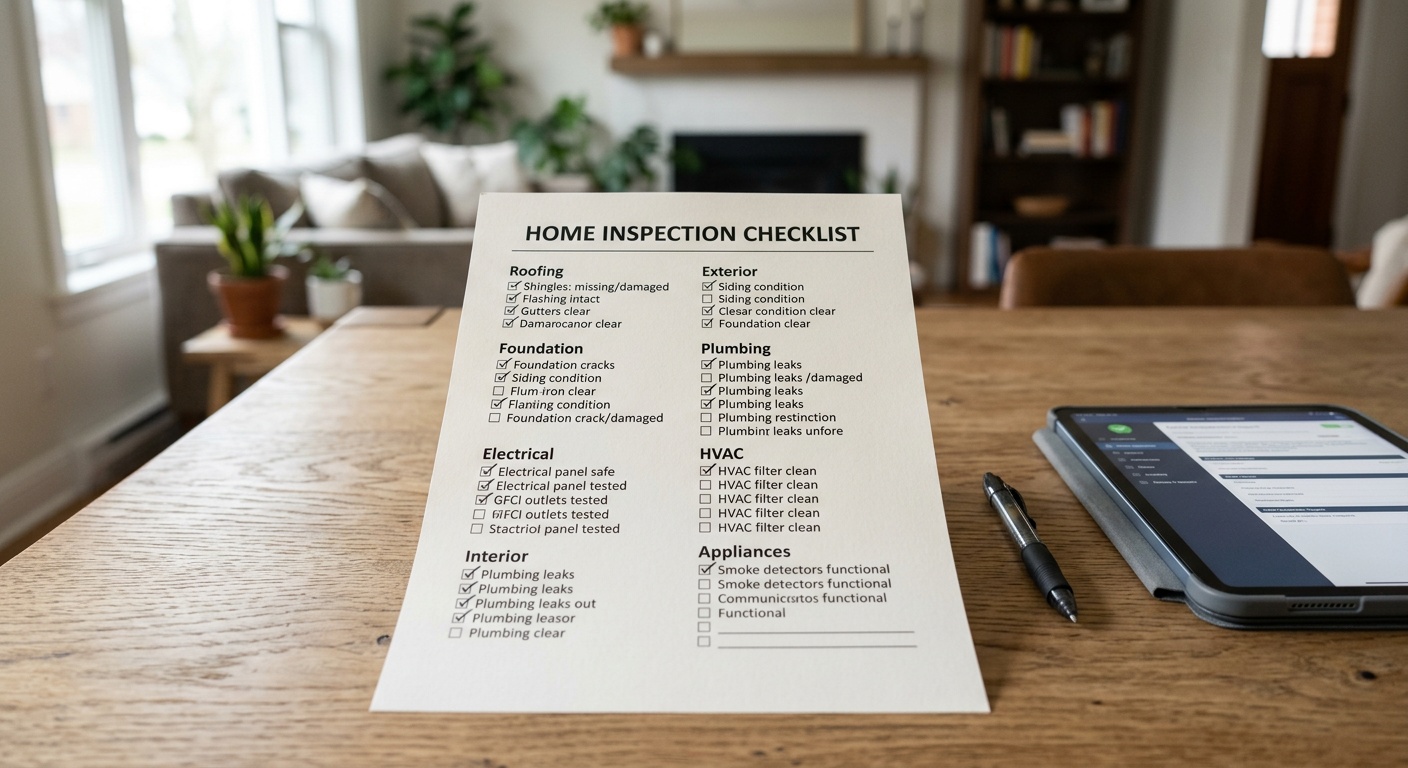
This guide gives you exactly that: a practical, complete renovation checklist designed specifically for Southern California homebuyers in 2026.
Table of Contents
- Why SoCal Homes Need a Special Renovation Eye
- Structural & Foundation Assessment
- Core Systems Inspection
- Interior Renovation Priorities
- Exterior & Landscaping Considerations
- Cost Comparison: SoCal Renovation by Category
- Real Buyer Stories from SoCal
- Permits, Codes & HOA Rules in 2026
- Frequently Asked Questions
- Your SoCal Renovation Roadmap Forward
Why SoCal Homes Need a Special Renovation Eye
Southern California real estate is unlike anywhere else in the country. The region’s Mediterranean climate, seismic activity, wildfire proximity, and decades-old housing stock create a unique renovation landscape. According to the California Association of Realtors (CAR), as of Q1 2026, over 62% of homes listed in Los Angeles, Orange, and San Diego counties were built before 1980 — meaning they carry decades of deferred maintenance, outdated systems, and pre-modern building codes.
Well, here’s the straight talk: A beautiful kitchen remodel means nothing if the foundation is cracked or the electrical panel is a fire hazard. In SoCal specifically, you need to layer in concerns like:
- Seismic vulnerability (especially soft-story buildings and pre-1980 foundations)
- Fire-resistant materials in Wildland-Urban Interface (WUI) zones
- Water conservation compliance under California’s evolving drought regulations
- ADU (Accessory Dwelling Unit) potential and local zoning restrictions
- Lead paint and asbestos in homes built before 1978
Pro Tip: Before you even schedule an inspection, pull the property’s permit history through your county assessor’s office. Unpermitted work is rampant in SoCal and can derail a sale or force expensive remediation down the line.
Structural & Foundation Assessment
Foundation Types and Red Flags
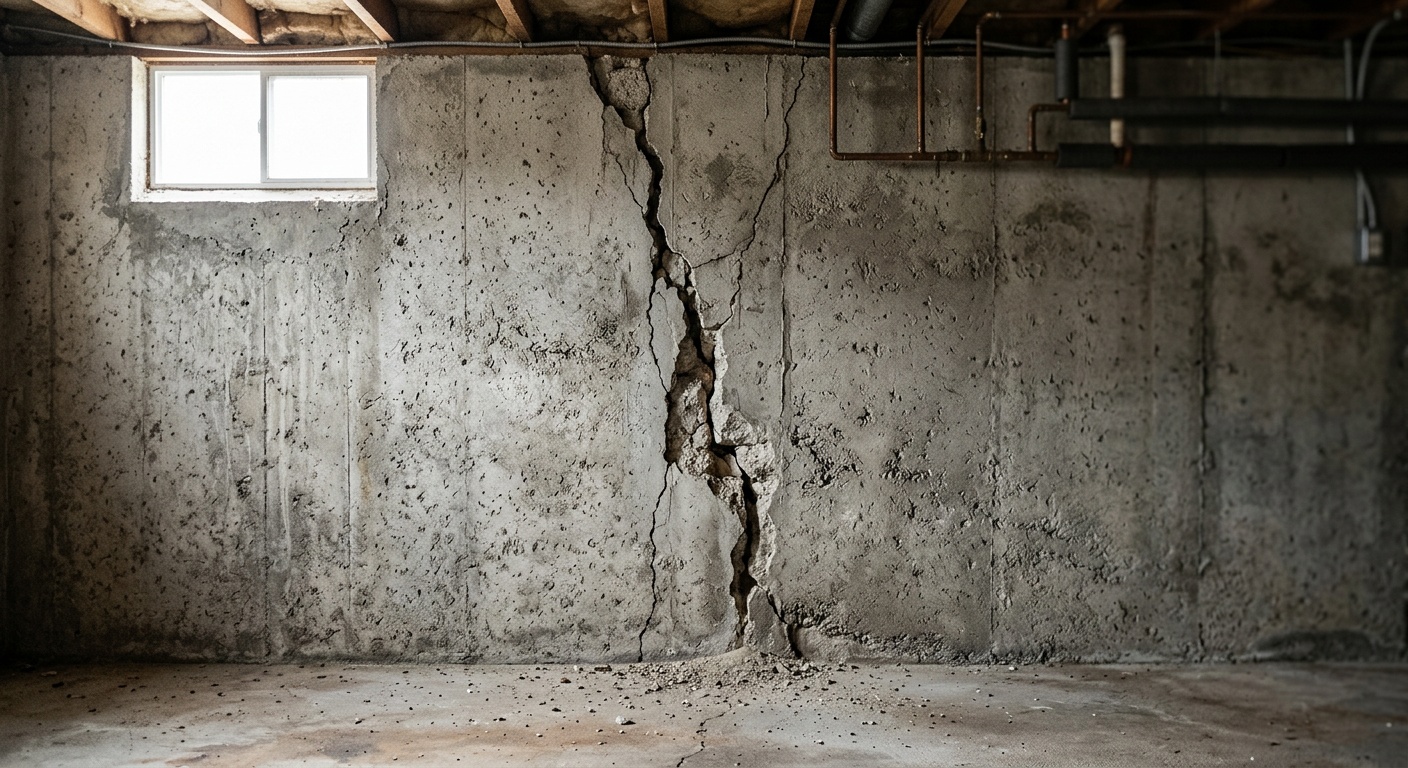
SoCal homes come with several foundation types, each with distinct risk profiles. Raised foundations (common in older craftsman homes in areas like Long Beach and Glendale) are susceptible to wood rot and pest damage. Slab foundations, popular in post-WWII tract homes throughout the San Fernando Valley, can crack due to soil movement or seismic shifts. Hillside homes in communities like Laurel Canyon or Rancho Palos Verdes often use pier-and-beam or caisson foundations — both requiring specialized inspection.
During your walkthrough, look for:
- Diagonal cracks running from door corners or window frames (sign of differential settlement)
- Doors or windows that stick or won’t close properly
- Visible gaps between walls and ceilings
- Uneven or sloping floors
- Standing water under a raised foundation (crawl space moisture)
Foundation repair in Southern California averages $8,500 to $22,000 depending on severity, according to HomeAdvisor’s 2026 cost report. That’s a powerful negotiation chip — but only if you know about it before closing.
Seismic Retrofitting: A SoCal Priority
The 2025 Los Feliz quake (a moderate 5.1 magnitude event) served as a wake-up call for many LA buyers who discovered their homes had never been seismically retrofitted. In 2026, the City of Los Angeles continues its Soft-Story Retrofit Ordinance, now extended to include single-family homes in high-risk zones. A soft-story retrofit typically runs between $3,000 and $10,000 but can prevent catastrophic structural failure.
Ask your inspector specifically about:
- Cripple wall bracing (short wood-framed walls between the foundation and first floor)
- Anchor bolts connecting the wood frame to the concrete foundation
- Open-front garage configurations (classic soft-story risk)
- Unreinforced masonry (URM) elements
Quick Scenario: Imagine you’re buying a charming 1960s duplex in Silver Lake. The price looks right. But if it lacks anchor bolts and has a carport on the ground floor — that’s potentially $15,000+ in seismic retrofitting you need to factor in before making your offer.
Core Systems Inspection
Electrical, Plumbing & HVAC — The Big Three
These are the unsexy but absolutely critical systems that can make or break your renovation budget. In SoCal’s older housing stock, outdated systems aren’t the exception — they’re practically the rule.
Electrical: Homes built before 1970 may still have aluminum wiring (a fire hazard) or Federal Pacific or Zinsco panels, both of which are known to be defective and are no longer up to code. A full panel replacement in Los Angeles in 2026 costs between $2,500 and $5,000. If you’re planning to add EV charging (and in California, you probably should), you may need a 200-amp upgrade regardless.
Plumbing: Galvanized steel pipes are common in pre-1970 SoCal homes and are notorious for rust, reduced water pressure, and eventual failure. Repiping a 1,500 sq ft home with copper or PEX tubing runs $7,000 to $15,000 in the LA metro area. Also watch for original cast iron sewer lines — a sewer scope inspection (around $150–$300) is cheap insurance.
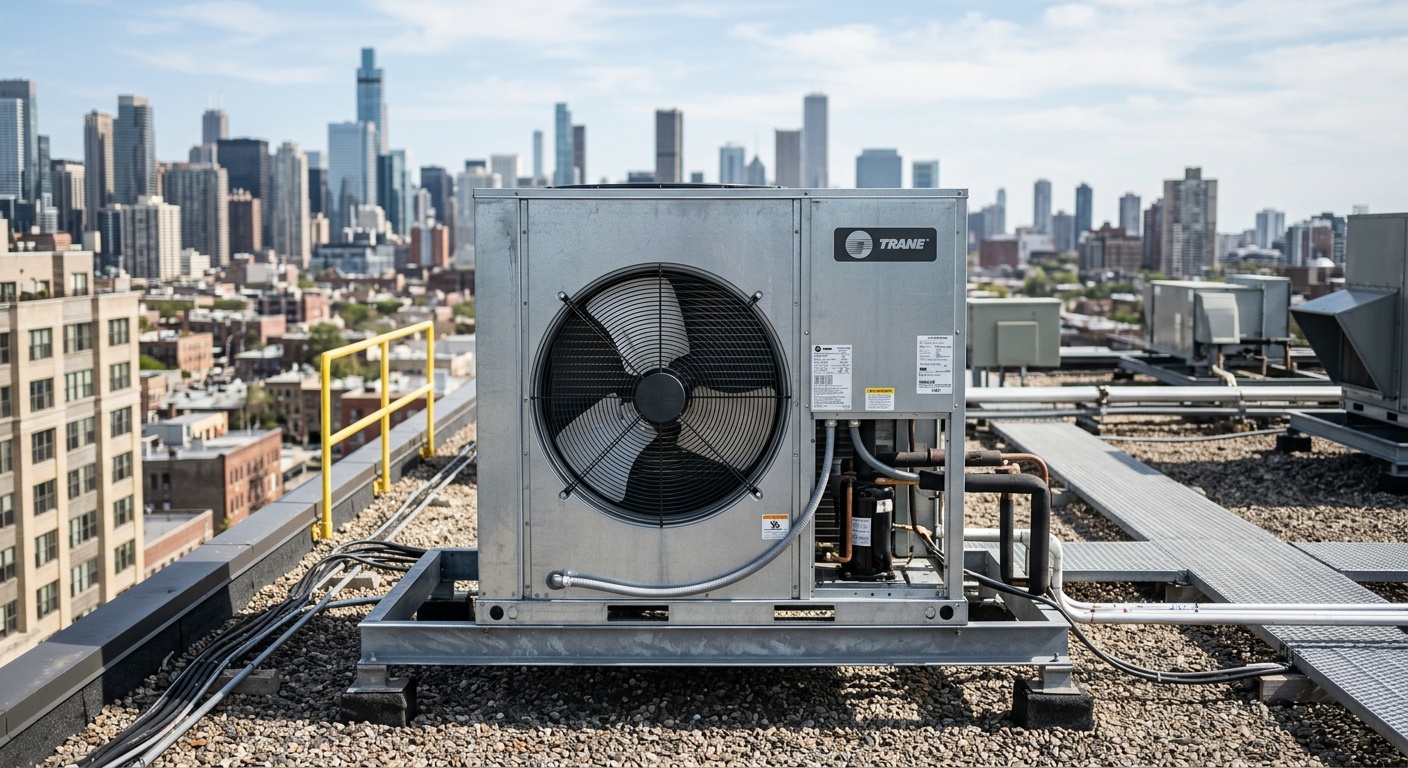
HVAC: Southern California’s increasingly extreme heat events (summer 2025 saw several days above 110°F in the Inland Empire) have made central air conditioning a near-necessity rather than a luxury. Replacing an aging HVAC system costs $8,000 to $14,000 installed. Check for proper ducting, permits, and — increasingly relevant — compatibility with solar energy systems.
Solar & Energy Efficiency in 2026
California’s Title 24 energy standards, updated in January 2026, now require all significant renovations to include energy efficiency upgrades. If you’re buying a home that needs a roof replacement or major remodel, you’ll likely trigger solar readiness requirements. On the upside, California’s solar incentive programs remain active in 2026, including the SGIP (Self-Generation Incentive Program) which offers rebates for battery storage systems.
Check the existing solar system (if any) for:
- Ownership vs. lease status (leased systems complicate sales)
- Age and remaining warranty on panels and inverter
- System size relative to home’s energy needs
- Net metering agreement terms with the local utility
Interior Renovation Priorities
Once the structural and systems boxes are checked, interior renovation priorities in SoCal follow a clear hierarchy of value and necessity.
Kitchen Renovations: SoCal buyers in 2026 expect open-concept layouts, quartz or butcher block countertops, and smart appliances. A mid-range kitchen remodel in LA County runs $35,000 to $75,000. Assess the existing layout — moving load-bearing walls or relocating plumbing lines adds $10,000–$20,000 to any remodel.
Bathrooms: Primary bathrooms are a major value driver. Look for water damage around tubs, showers, and under vanities — a common issue in SoCal’s older tile work. A full primary bath remodel averages $18,000 to $40,000.
Flooring: Original hardwood floors (common in pre-1960 bungalows) can often be refinished for $3–$6 per square foot — a far better deal than replacement. Assess whether existing floors are structurally sound or hiding subfloor damage from leaks or pests.
Hazardous Materials: Don’t skip this. Lead paint testing (required for homes pre-1978) and asbestos testing (relevant for popcorn ceilings, floor tiles, and insulation pre-1980) are non-negotiable. Asbestos abatement can run $1,500 to $30,000+ depending on extent and location.
Exterior & Landscaping Considerations
In Southern California, your home’s exterior isn’t just about aesthetics — it’s about fire safety, water management, and climate resilience.
Roofing: SoCal roofs face intense UV exposure, Santa Ana wind events, and increasingly, ember storms from nearby wildfires. If the home is in a designated Very High Fire Hazard Severity Zone (VHFHSZ), you may be required to install Class A fire-rated roofing materials. A full roof replacement in SoCal averages $18,000 to $35,000 depending on material and pitch.
Landscaping & Water Compliance: California’s water regulations have tightened again in 2026. The State Water Resources Control Board now requires all new landscaping in residential renovations to be 75% drought-tolerant. Ripping out a traditional grass lawn and installing native drought-tolerant landscaping costs $8–$20 per square foot but can qualify for Metropolitan Water District turf replacement rebates of up to $2 per square foot.
Exterior Walls & Hardscaping: Check for stucco cracks (common in SoCal due to thermal expansion), wood rot at eave lines, and deteriorating deck or patio structures. Hillside properties should have drainage inspected by a geotechnical engineer, particularly after the heavy 2025 rain season that triggered multiple landslides in Altadena and Pacific Palisades.
Cost Comparison: SoCal Renovation by Category
Here’s a side-by-side comparison of key renovation categories in Southern California versus national averages in 2026:
| Renovation Category | SoCal Avg. Cost (2026) | National Avg. Cost | Priority Level | ROI at Resale |
|---|---|---|---|---|
| Seismic Retrofit | $3,000–$10,000 | N/A (region-specific) | Critical | 85–95% |
| Full Kitchen Remodel | $35,000–$75,000 | $25,000–$50,000 | High | 72–80% |
| Electrical Panel Upgrade | $2,500–$5,000 | $1,800–$4,000 | Critical | 90–100% |
| Roof Replacement (Fire-Rated) | $18,000–$35,000 | $10,000–$20,000 | High | 68–75% |
| Drought-Tolerant Landscaping | $8,000–$25,000 | $5,000–$15,000 | Medium | 60–70% |
Renovation Cost Distribution — Visual Overview
The chart below illustrates how renovation budgets are typically distributed across categories for a median SoCal fixer-upper in 2026:
72% — Highest priority
65% — Commonly needed
55% — High value-add
48% — Fire safety critical
35% — Growing importance
Data based on CalHFA renovation loan surveys and Redfin SoCal market analysis, Q1 2026.
Real Buyer Stories from SoCal
Case Study 1: The Underpriced Craftsman in Monrovia
Maria and David, a couple from Arcadia, spotted a 1924 craftsman bungalow listed at $689,000 in early 2025 — roughly $60,000 below comparable sales on the street. The listing photos showed charming original woodwork and a recently updated kitchen. But during their pre-purchase inspection and renovation assessment, they uncovered a story beneath the surface.
Their inspector flagged a cracked concrete perimeter foundation, knob-and-tube wiring in the attic, and original galvanized plumbing throughout. A specialist found active termite damage in three of the cripple walls. Total remediation estimate: $68,000. Armed with that data, Maria and David went back to negotiation, secured a $45,000 price reduction, and a seller credit of $10,000 for closing costs. They moved in April 2025 and have since completed the foundation repair and rewiring. “That inspection saved our financial lives,” Maria told us. “We walked in thinking cosmetics, and walked out knowing the real story.”
Case Study 2: The “Turnkey” Condo in Irvine That Wasn’t
James, a first-time buyer from San Jose relocating to Orange County for work, put in an offer on a 2001-built condo in Irvine listed as “fully updated.” His agent recommended skipping the inspection to be more competitive in the multiple-offer situation. James declined that advice and hired his own inspector at $425.
The inspection uncovered improper HVAC ducting that violated current Title 24 standards (triggering a mandatory $4,200 fix before occupancy), and a bathroom exhaust fan venting directly into the attic — a moisture trap that had caused early-stage mold growth. Because these issues were discovered pre-close, James negotiated a full seller credit of $6,500 to cover remediation. “The $425 inspection gave me $6,500 back,” he said. “In SoCal, that’s the best ROI you’ll ever find in a day.”
Permits, Codes & HOA Rules in 2026
One of the most underestimated renovation landmines in Southern California is unpermitted work. According to the LA Department of Building and Safety, in 2025, over 34% of residential renovation complaints involved unpermitted additions or modifications. When you buy a home with unpermitted work, you inherit the liability — and the potential cost of bringing it up to code or tearing it out entirely.
What to check before buying:
- Request a full permit history from the county or city building department
- Cross-reference permitted square footage with listed square footage
- Look for rooms, garage conversions, or accessory structures not reflected in permits
- Verify any ADU on the property has proper occupancy permits
HOA Considerations: In master-planned communities throughout Irvine, Chino Hills, and Valencia, HOAs may restrict renovation materials, colors, and even landscaping choices. Always review the CC&Rs (Covenants, Conditions & Restrictions) before budgeting any exterior renovation. Some HOAs in 2026 have introduced specific requirements for fire-resistant materials and EV charging infrastructure compliance.
ADU Opportunity: California’s ADU-friendly laws, expanded further in 2025’s AB 1033, make pre-purchase ADU feasibility assessment increasingly valuable. A well-positioned lot in an area like Mar Vista or El Sereno could yield a permitted ADU worth $200,000–$400,000 in added property value. Ask your architect to evaluate ADU potential as part of your pre-purchase renovation scope.
Frequently Asked Questions
Do I need a separate contractor estimate in addition to a home inspection?
Absolutely — and this is one of the most common mistakes SoCal buyers make. A home inspector identifies what is wrong, but they don’t provide cost estimates. You need licensed contractors (at least two bids per major trade) to understand the true financial scope of what you’re facing. Ideally, conduct contractor walk-throughs during your inspection contingency period, which in California’s 2026 market is typically 10–17 days. This gives you hard numbers to bring to your negotiation before you’re locked in.
How do wildfire risk designations affect renovation requirements?
If a property sits within a state-designated Very High Fire Hazard Severity Zone (VHFHSZ) — which now covers significant portions of LA County, Ventura County, and parts of San Diego County — any renovation exceeding 50% of the structure’s assessed value triggers full compliance with California’s WUI (Wildland-Urban Interface) building codes. This includes fire-resistant roofing, ember-resistant vents, dual-pane windows rated for radiant heat, and defensible space clearing. The cost implications are real, but so is the insurance benefit: homes that meet WUI standards are increasingly preferred by the few remaining insurers still writing homeowners policies in high-risk California zones as of 2026.
What’s the most overlooked item on a pre-purchase renovation checklist in SoCal?
Without question: the sewer lateral. A sewer scope inspection (running a camera through the main sewer line from the house to the street) costs $150–$300 but can reveal root intrusion, collapsed clay pipe sections, or offset joints that cost $8,000–$25,000 to repair. In older SoCal neighborhoods with mature street trees — think Pasadena, Hancock Park, San Marino — root infiltration into 60- or 70-year-old clay sewer pipes is extremely common. It won’t show up in a standard home inspection, and sellers rarely volunteer the information. Make it non-negotiable.
Your SoCal Renovation Roadmap Forward
Here’s the reality about buying a home in Southern California in 2026: the market rewards the prepared and punishes the reactive. The buyers who close with confidence aren’t those who rushed the inspection or skipped the contractor bids — they’re the ones who treated their pre-purchase renovation assessment as the most important due diligence they’d ever do.
As housing inventory in SoCal remains constrained and renovation costs continue to outpace national averages, knowing exactly what you’re buying — down to the foundation bolt and the sewer pipe — isn’t just smart. It’s essential.
Here’s your actionable 5-step roadmap to implement immediately:
- Pull the permit history first. Before you even schedule a showing, request the property’s permit records from the city or county building department. Unpermitted work is a dealbreaker or at minimum a major negotiation lever.
- Hire a specialist inspector, not just a generalist. In SoCal, a certified structural pest inspector, a geotechnical reviewer for hillside properties, and a roofing specialist should supplement your general home inspector — not replace them.
- Get contractor bids during contingency. Use your 10–17 day inspection window to walk licensed contractors (general contractor, electrician, plumber) through the property. Get written estimates before removing contingencies.
- Factor in SoCal-specific costs. Seismic retrofitting, fire-rated materials, drought-tolerant landscaping, and solar readiness are not optional conversations — they’re budget line items unique to this region.
- Assess ADU potential before you close. California’s liberalized ADU laws mean your fixer-upper might have hidden value you haven’t priced in. A $20,000 garage conversion could yield $180,000 in rental income over a decade.
As SoCal’s housing market continues evolving under the twin pressures of climate adaptation and affordability constraints, buyers who come armed with knowledge and a comprehensive renovation lens will consistently outperform those who don’t. The checklist in this guide isn’t just a tool for avoiding problems — it’s a framework for building lasting wealth through one of America’s most dynamic real estate markets.
So here’s your call to action: Before you submit your next offer, run through this checklist line by line. Share it with your agent, your inspector, and your contractor. Then ask yourself — do I know exactly what I’m buying, or am I hoping for the best? In Southern California real estate, hope is not a strategy. Preparation is.