Hidden Defects Common in San Diego County Older Properties: What Every Buyer and Owner Must Know in 2026
Reading time: 14 minutes
You’ve fallen in love with a charming 1950s craftsman in North Park, or maybe a sun-drenched mid-century ranch in El Cajon. The curb appeal is undeniable, the neighborhood is walkable, and the price—while still steep in San Diego’s relentless market—feels like a relative bargain compared to new construction. But before you sign on the dotted line, here’s the straight talk: older San Diego County properties carry a unique constellation of hidden defects that can turn your dream home into a six-figure nightmare.
This isn’t about scaring you away from historic neighborhoods. It’s about arming you with the precise knowledge to navigate one of California’s most complex real estate landscapes. San Diego County’s housing stock is deeply diverse—from Victorian-era properties in Old Town to post-war subdivisions in Chula Vista—and each era of construction carries its own signature vulnerabilities, amplified by the region’s seismic activity, marine-layer moisture, and decades of deferred maintenance.
In 2026, with San Diego median home prices hovering near $950,000 and buyer competition still fierce, the cost of missing a hidden defect has never been higher. Let’s map the terrain together.
Table of Contents
- Why San Diego’s Older Homes Present Unique Risks
- Foundation Failures and Expansive Soil Problems
- Outdated Electrical and Plumbing Systems
- Hazardous Materials: Asbestos, Lead, and Beyond
- Water Intrusion and Hidden Moisture Damage
- Seismic Vulnerabilities and Cripple Walls
- Defect Risk by Construction Era: Comparison Table
- Prevalence of Hidden Defects in San Diego Older Homes
- Real-World Scenarios: Learning From Costly Mistakes
- Frequently Asked Questions
- Your Inspection Action Plan: Protecting Your Investment
Why San Diego’s Older Homes Present Unique Risks
San Diego County isn’t just another California market. Its geography—coastal bluffs, canyon-edged neighborhoods, hillside terrain, and proximity to active fault lines—creates a perfect storm for property defects that inspectors in flat, inland markets simply don’t encounter with the same frequency. Add to this the county’s dramatic microclimates: the salt-laden marine air of La Jolla and Coronado corrodes metal components at an accelerated rate, while the dry heat of Santee and Alpine puts different stresses on roofing and wood framing.
According to the California Department of Real Estate’s 2025 Annual Report, San Diego County ranked second in the state for post-purchase defect disclosure disputes, with over 4,200 cases filed in 2025 alone. A significant majority—roughly 68%—involved properties built before 1980. These aren’t minor cosmetic grievances. Many involved structural issues, environmental hazards, and drainage failures that cost homeowners an average of $47,000 in remediation costs.
The county’s building code enforcement history is also uneven. Properties built during the post-war boom of the 1940s through 1960s were constructed under dramatically different—and less rigorous—standards than today. Many were never retrofitted to meet modern seismic or energy codes. And in neighborhoods like Sherman Heights, Golden Hill, and parts of Escondido, homes have passed through dozens of hands over 80 years, each owner adding DIY modifications that may never have been permitted or inspected.
The Deferred Maintenance Multiplier Effect
One of the most insidious dynamics in older San Diego properties is what real estate attorneys call the deferred maintenance multiplier. A small roof leak ignored for three years doesn’t just become a bigger roof leak—it becomes rotted sheathing, compromised insulation, mold colonization in the attic, and potentially damaged ceiling joists. In San Diego’s climate, where mild winters create a false sense of security, homeowners routinely underestimate how quickly ignored minor problems escalate into structural crises.
A 2025 survey by the San Diego Association of Realtors (SDAR) found that 52% of sellers of pre-1970 homes were unaware of at least one significant defect in their own property at the time of listing. This isn’t always dishonesty—it’s often genuine ignorance, passed down through generational ownership or masked by cosmetic renovations.
Foundation Failures and Expansive Soil Problems
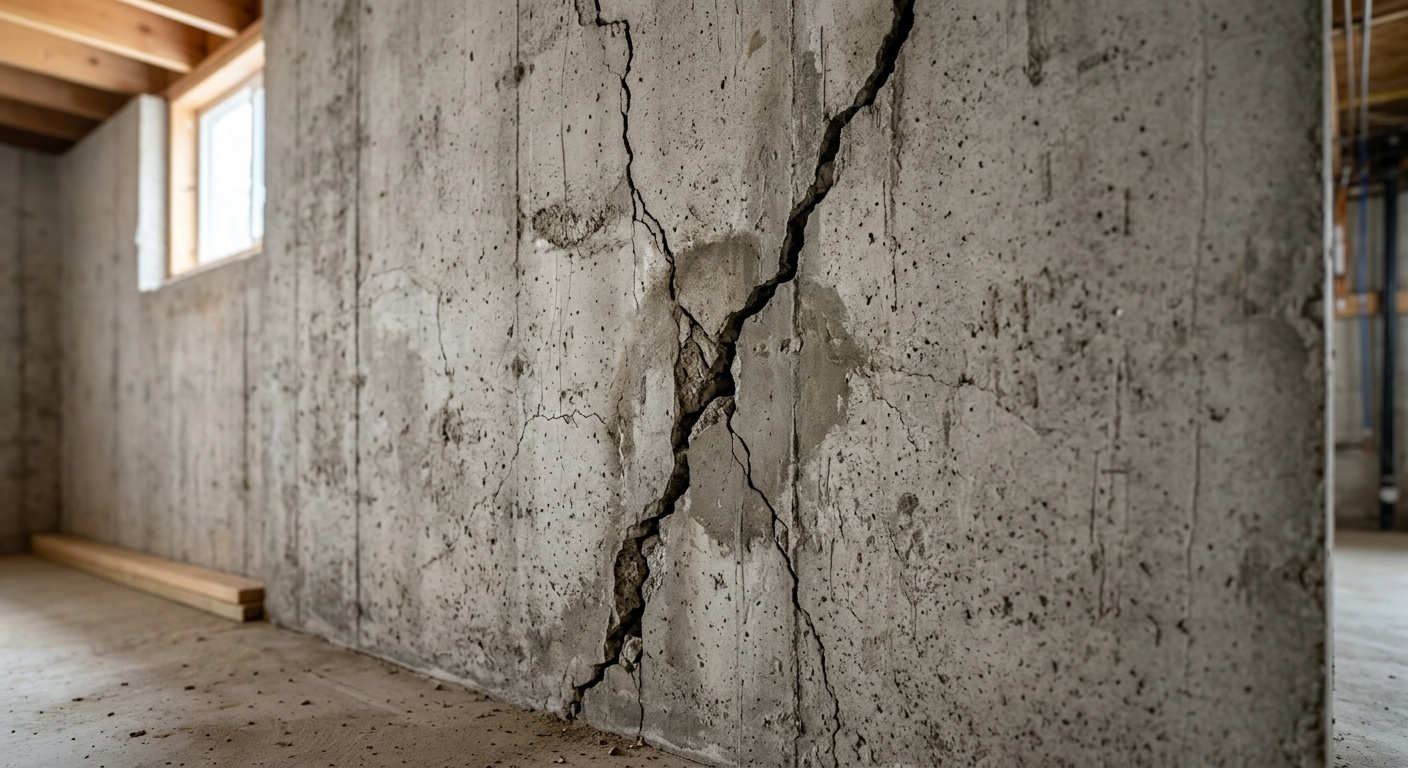
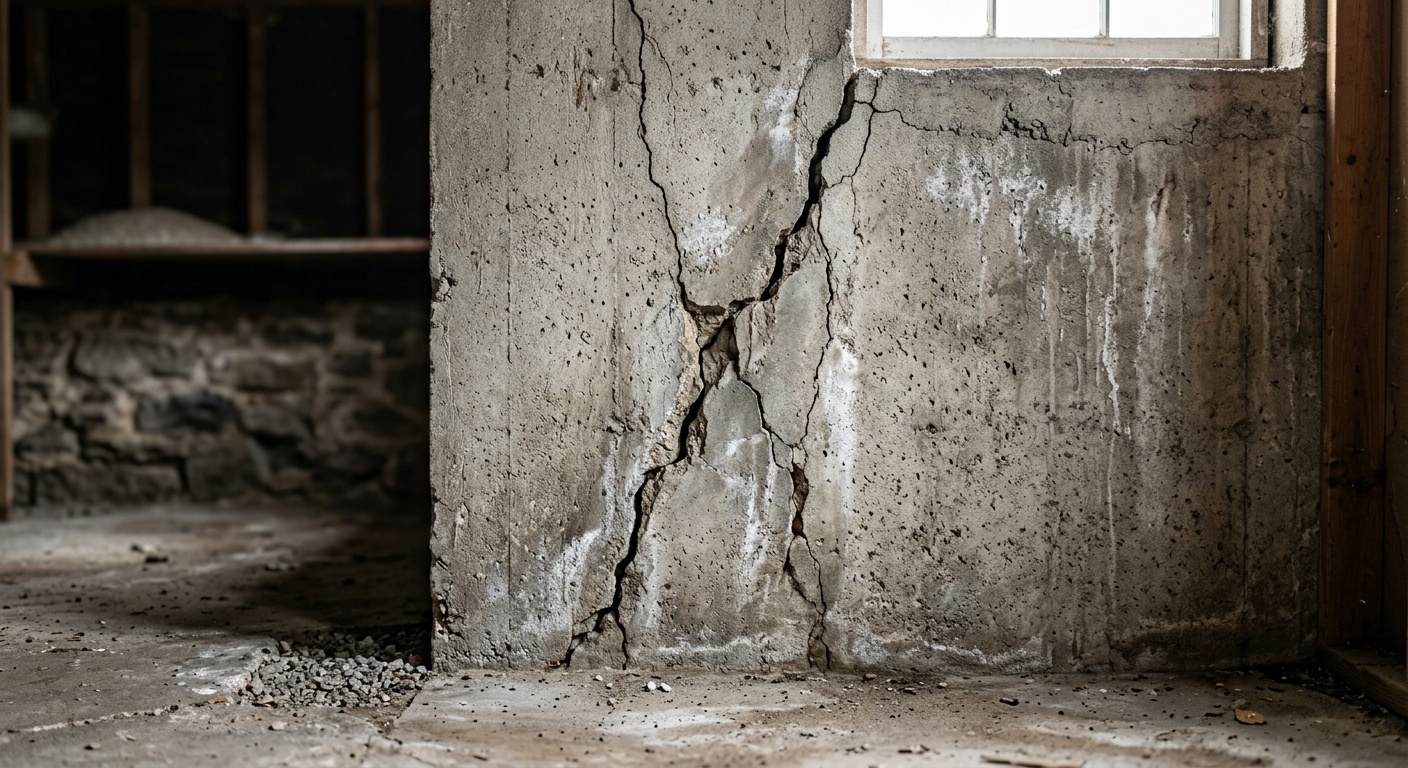
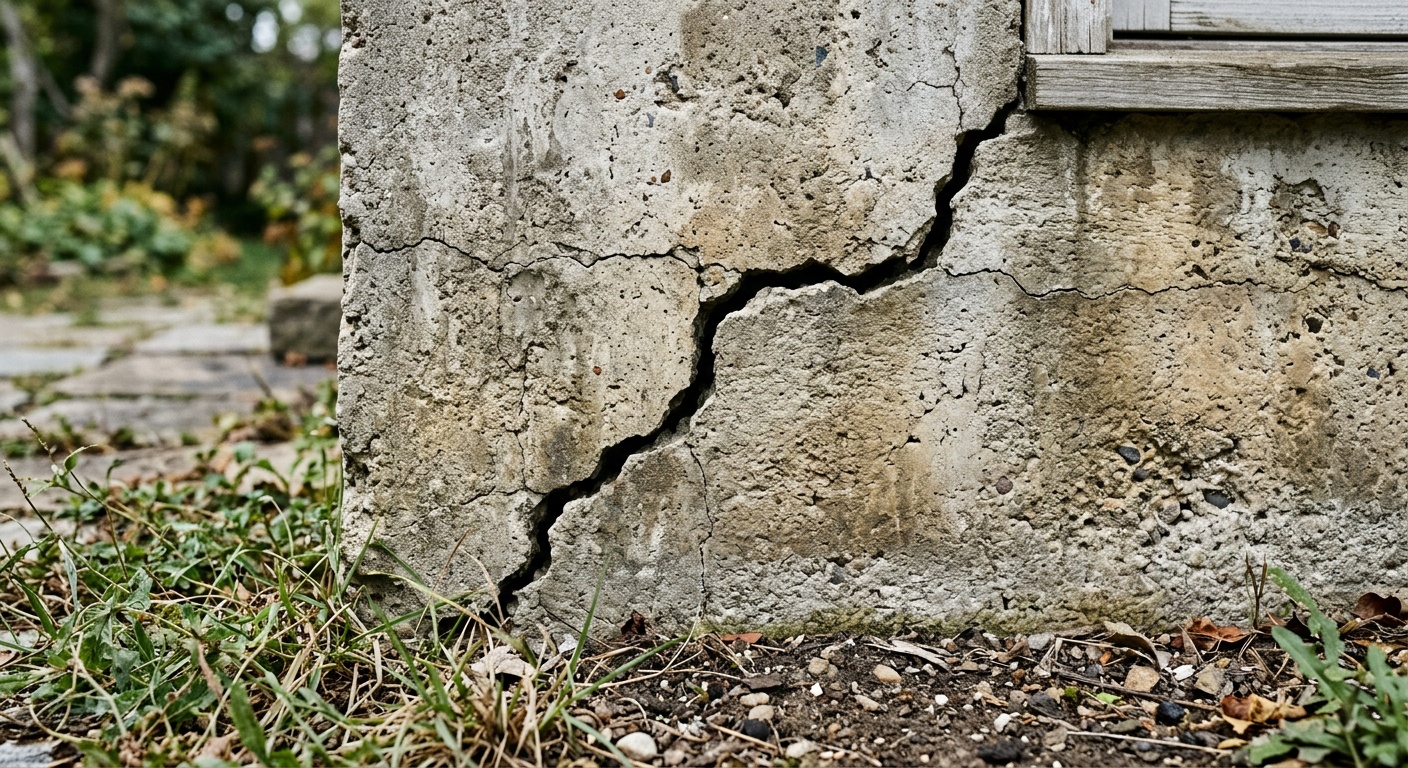
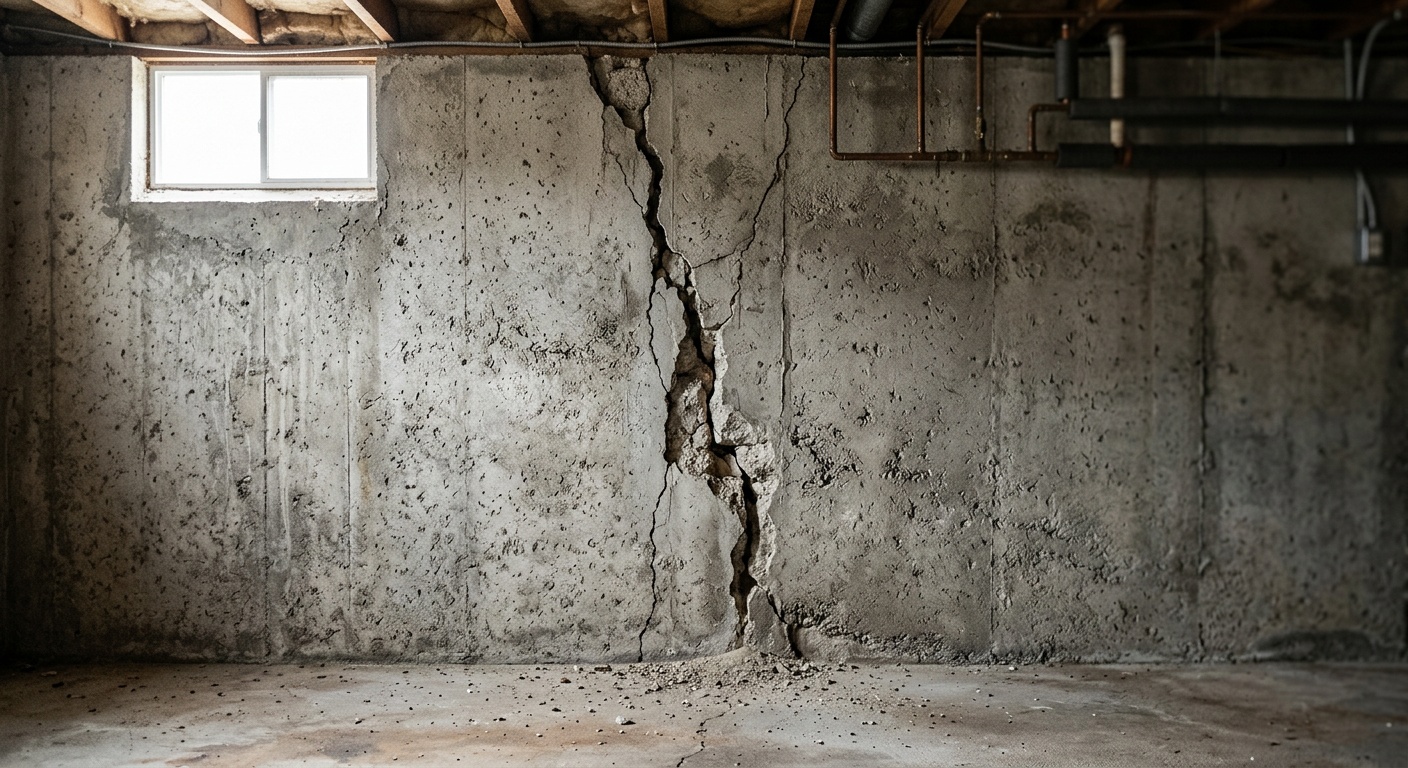
If there’s one hidden defect that San Diego inspectors consistently rank as their top concern, it’s foundation movement related to expansive soils. The county’s geology includes large swaths of bentonite clay and decomposed granite, both of which behave dramatically differently when wet versus dry. During wet winters, expansive clay soils swell and heave; during dry summers, they shrink and settle. This cyclical movement, repeated over decades, causes foundations to crack, shift, and in severe cases, partially fail.
Neighborhoods particularly vulnerable include parts of Clairemont, Mira Mesa, Spring Valley, and areas of Chula Vista built on cut-and-fill lots during the 1960s subdivision boom. Cut-and-fill construction—where hillside terrain was excavated and the removed soil was used to level the pad for building—creates differential settlement risk that standard flat-lot foundations don’t face.
Warning signs visible to an educated buyer include:
- Diagonal cracks running from the corners of door frames or windows (a classic shear crack indicator)
- Doors or windows that stick or won’t close properly
- Visible gaps between the foundation stem wall and wood mudsill
- Sloping floors detectable with a simple marble test
- Separation between interior walls and ceiling or floor
Pro Tip: Always request a geotechnical report for properties on hillside lots or in known expansive soil zones. A standard home inspection will identify surface symptoms but won’t quantify soil movement risk. A licensed geotechnical engineer can assess the actual soil composition and provide remediation cost estimates—typically $300–$600 for a report, but potentially saving you $30,000–$150,000 in unexpected repairs.
Concrete Slab vs. Raised Foundation Vulnerabilities
San Diego older properties are roughly split between post-tension concrete slab foundations (common from the 1970s onward) and raised wood-frame foundations (predominant in pre-1960s construction). Each carries distinct failure modes.
Post-tension slabs require specialized inspection. The tensioned steel cables embedded within the concrete can corrode—particularly in coastal zones—and if a cable fails, the resulting crack can propagate rapidly across the slab. In 2025, a homeowner in Pacific Beach discovered two failed post-tension cables in their 1978 slab, requiring a $68,000 epoxy injection and cable replacement procedure. The defect had been present for years but was invisible under tile flooring.
Raised wood foundations in pre-1940s homes present termite and dry rot vulnerabilities, particularly in crawl spaces with inadequate ventilation. San Diego’s subterranean termite population is among the most aggressive in the continental U.S., and older properties without modern chemical barriers or physical termite shields are consistently at risk.
Outdated Electrical and Plumbing Systems
Walk into a 1950s bungalow in Normal Heights and you may be walking into a home that still runs on its original 60-amp electrical service—designed for an era when the biggest electrical demands were a refrigerator and a few light bulbs. Today’s homes routinely require 200-amp service to accommodate EV chargers, air conditioning, home offices, and modern appliances.
Beyond capacity, older San Diego homes may contain:
- Knob-and-tube wiring (common in pre-1940s construction): ungrounded, incapable of handling modern loads, and typically uninsurable without replacement
- Aluminum branch circuit wiring (installed widely from 1965–1973): prone to overheating at connections, associated with a disproportionate share of residential electrical fires
- Federal Pacific Stab-Lok panels (installed through the 1980s): breakers that may fail to trip during overcurrent conditions, creating fire risk
- Zinsco/Sylvania panels: similar failure profile to Stab-Lok, documented in thousands of San Diego homes built in the 1960s and 1970s
The San Diego Fire-Rescue Department reported in its 2025 annual statistics that electrical system failures accounted for 23% of residential structure fires in homes built before 1975—more than double the rate in post-1990 homes.
On the plumbing side, galvanized steel pipes—standard in homes built before 1970—deteriorate from the inside out. Mineral deposits accumulate over decades, progressively restricting water flow. Externally, the pipes may look structurally intact; internally, they may be 80% occluded. When sections finally fail, they often do so suddenly, releasing decades of accumulated rust into finished spaces.
Polybutylene (PB) pipe, installed as a “modern” replacement material from approximately 1978 to 1995, presents its own crisis. PB reacts with chlorine in municipal water supplies, becoming brittle and prone to splitting, often at fittings. California has seen a resurgence of PB failure claims in 2025–2026 as pipes installed 30+ years ago approach end-of-life. Identifying PB—typically gray, flexible tubing—requires an experienced eye during inspection.
Hazardous Materials: Asbestos, Lead, and Beyond
Any San Diego property built before 1980 should be presumed to contain asbestos until proven otherwise. This isn’t alarmism—it’s regulatory guidance consistent with the EPA’s position and California’s OSHA standards. Asbestos was used prolifically in construction materials throughout the mid-20th century, and its presence in older San Diego homes is virtually guaranteed in one form or another.
Common asbestos-containing materials (ACMs) found in San Diego’s older housing stock include:
- Acoustic “popcorn” ceiling texture (applied through the 1970s)
- Vinyl floor tiles and the adhesive (“mastic”) beneath them
- Pipe and duct insulation in older HVAC systems
- Roof shingles and felt underlayment
- Textured exterior stucco applied through the 1960s
- Insulation around older furnaces and water heaters
The critical distinction is between friable and non-friable asbestos. Intact, non-friable ACMs that aren’t being disturbed generally don’t pose an immediate health risk and are often best left in place. The danger arises during renovation—a DIY bathroom remodel that disturbs asbestos floor tiles can release fibers that contaminate an entire home and require professional abatement at costs ranging from $5,000 to $30,000+.
Lead-based paint is mandatory disclosure territory in California for pre-1978 homes, but disclosure doesn’t equal remediation. Many San Diego buyers accept lead paint disclosure forms without fully understanding that lead paint on deteriorating surfaces—particularly on windows, doors, and exterior trim—creates ongoing exposure risk, especially for children under six. Full lead abatement in a typical San Diego older home runs $8,000–$15,000, while encapsulation (a less invasive interim solution) averages $2,000–$5,000.
Water Intrusion and Hidden Moisture Damage
San Diego’s reputation as a drought-prone region creates a dangerous blind spot: many buyers and owners assume water damage isn’t a significant local concern. In reality, the county’s occasional but intense rainfall events—combined with aging roofing, deteriorated flashing, improper grading, and clogged drainage systems—create serious water intrusion vulnerabilities that may remain hidden for years behind drywall and finishes.
Key water intrusion vectors in older San Diego properties include:
- Failed roof flashing at chimneys, dormers, and roof-wall transitions
- Negative grading: soil sloping toward the foundation rather than away from it
- Cracked or missing caulking around windows and doors, particularly on west-facing elevations exposed to prevailing marine moisture
- Failed waterproofing on below-grade spaces and basement walls
- Deteriorated shower pan liners allowing water to migrate into floor assemblies
San Diego’s atmospheric river events of 2023 and 2024 exposed widespread water intrusion vulnerabilities in older housing stock. Many homeowners discovered moisture damage that had been accumulating for years—masked by previous owners’ cosmetic touch-ups—only when seasonal storms pushed water to visible surfaces.
Mold is the downstream consequence that transforms a water intrusion problem into a health crisis. California regulations under Health and Safety Code Section 17920.3 classify visible mold as a substandard condition, triggering disclosure and remediation obligations. Professional mold remediation in a typical San Diego older home costs $3,500–$12,000, with costs escalating dramatically if mold has penetrated structural framing.
Seismic Vulnerabilities and Cripple Walls
San Diego County sits within a seismically active region, proximate to the Rose Canyon Fault, the Elsinore Fault, and several associated splay faults. While the county experiences fewer major seismic events than the Los Angeles basin, the 2025 Ramona-area magnitude 4.3 event reminded residents that seismic risk is real and ongoing.
The most prevalent seismic vulnerability in pre-1980 San Diego homes is the unbraced cripple wall. Cripple walls are the short wood-stud walls that sit between the foundation and the first floor in raised-foundation homes. Without proper sheathing or bracing, they can collapse laterally during a seismic event, causing the entire first floor to pancake downward.
The California Earthquake Authority (CEA) estimates that approximately 1.2 million California homes still have unbraced or inadequately braced cripple walls as of 2026. In San Diego County, pre-1940 homes in neighborhoods like South Park, University Heights, and Bankers Hill are particularly likely to have this vulnerability. Cripple wall retrofitting typically costs $3,000–$7,000—one of the highest-value seismic upgrades available in terms of risk reduction per dollar spent.
Additional seismic vulnerabilities include:
- Unreinforced masonry chimneys: a collapse hazard during earthquakes and a leading cause of earthquake-related casualties in residential settings
- Soft-story construction: multi-unit properties from the 1960s–1980s with open parking at ground level, creating disproportionate collapse risk
- Inadequate anchor bolts: homes where the mudsill isn’t properly bolted to the foundation, allowing the structure to slide off its foundation during lateral ground movement
Defect Risk by Construction Era: Comparison Table
| Construction Era | Primary Hidden Defects | Avg. Remediation Cost | Risk Level | Key Inspection Priority |
|---|---|---|---|---|
| Pre-1940 | Knob-and-tube wiring, lead paint, unbraced foundations, galvanized pipes | $55,000–$120,000 | Very High | Full structural + electrical overhaul |
| 1940–1959 | Asbestos ACMs, cripple walls, inadequate panel capacity, expansive soil damage | $35,000–$80,000 | High | Seismic retrofit + hazmat testing |
| 1960–1979 | Aluminum wiring, Stab-Lok panels, polybutylene pipe, post-tension slab issues | $20,000–$55,000 | Moderate-High | Electrical panel + plumbing system |
| 1980–1999 | PB pipe end-of-life, deferred HVAC maintenance, early Chinese drywall (rare) | $10,000–$30,000 | Moderate | Plumbing materials + roof age |
| 2000–2010 | Water intrusion at stucco, EIFS failures, aging composite roofing | $5,000–$20,000 | Lower | Building envelope + drainage |
Prevalence of Hidden Defects in San Diego Pre-1980 Homes (2025–2026 Data)
Based on aggregated inspection report data from San Diego County home inspectors and the California Real Estate Inspection Association (CREIA) San Diego chapter, the following chart illustrates the prevalence of major hidden defect categories discovered during buyer inspections of pre-1980 properties in 2025–2026:
78%
65%
54%
71%
47%
Source: CREIA San Diego Chapter aggregated inspection data, 2025–2026. Properties built pre-1980.
Real-World Scenarios: Learning From Costly Mistakes
Scenario One: The Popcorn Ceiling Renovation Disaster in La Mesa
In early 2025, a young couple purchased a 1963 ranch-style home in La Mesa for $785,000. The home had been cosmetically updated—fresh paint, new cabinet hardware, refinished hardwood floors—and passed a standard home inspection without major flags. Three months after closing, they began a DIY project to remove the dated popcorn ceiling texture.
They didn’t test for asbestos first. Within 48 hours, a neighbor who was a retired contractor recognized the texture type and urged them to stop. Air quality testing confirmed asbestos fiber concentrations well above safe thresholds throughout the home. Total professional abatement cost: $22,400. The family stayed in a rental for six weeks during remediation. Their homeowner’s insurance—which explicitly excludes pre-existing environmental hazards—covered nothing.
The lesson isn’t just “test for asbestos before renovating.” It’s that cosmetic updates in older homes often represent a veneer over undisclosed or unknown hazards. A comprehensive pre-purchase environmental assessment—separate from the standard home inspection—runs $400–$800 and would have identified the asbestos before closing.
Scenario Two: The Invisible Drainage Failure in Lemon Grove
A first-time investor purchased a 1958 duplex in Lemon Grove in mid-2024, intending to house-hack while renovating the second unit. The home’s sloped lot looked attractive from a curb appeal standpoint. What the standard inspection missed—and what a drainage specialist would have identified—was that the lot’s original swale had been altered by a previous owner’s landscaping, redirecting sheet flow from the uphill neighbor’s property directly against the home’s north foundation wall.
By winter 2025, during back-to-back atmospheric river events, the owner discovered that the crawl space under unit one had accumulated standing water, and the galvanized pipes running through it had experienced accelerated corrosion from constant moisture exposure. Full remediation including drainage re-engineering, crawl space encapsulation, and partial pipe replacement: $34,600.
This case underscores the value of hiring a licensed civil engineer to evaluate drainage and grading on any sloped San Diego property—a service that a standard home inspector is neither licensed nor equipped to fully provide.
Frequently Asked Questions
How do I know if I need a specialized inspection beyond a standard home inspection for an older San Diego property?
For any property built before 1980 in San Diego County, a standard home inspection should be considered your minimum baseline—not your complete due diligence. You should additionally consider: a sewer scope inspection (essential for pre-1970 clay or cast-iron sewer laterals), an asbestos and lead paint assessment by a certified industrial hygienist, a termite/wood-destroying organism inspection (required for many loan types but worth doing independently), a foundation engineer evaluation if any cracking or movement symptoms are present, and a drainage and grading assessment for hillside or canyon-adjacent properties. Budget $1,500–$3,500 total for a comprehensive pre-purchase inspection suite—a fraction of what a single undiscovered defect might cost you post-closing.
Are sellers in San Diego legally required to disclose hidden defects they’re aware of?
Yes. California law under Civil Code Section 1102 requires sellers to complete a Transfer Disclosure Statement (TDS) and a Seller Property Questionnaire (SPQ) disclosing all known material defects. Additionally, California’s Johnson v. Davis doctrine holds that sellers who actively conceal known defects can face fraud liability. However, the operative word is “known”—sellers can only disclose what they’re aware of, and in older properties with long ownership histories, significant defects may genuinely be unknown. This is precisely why independent buyer inspections are essential. The disclosure process protects you legally, but it cannot substitute for comprehensive physical due diligence.
Can I get homeowner’s insurance on a San Diego property with known defects like aluminum wiring or an older electrical panel?
This is an increasingly pressing issue in 2026. California’s homeowner’s insurance market has experienced significant tightening, with several major carriers having reduced their San Diego County exposure following wildfire and liability concerns. Many insurers now require a four-point inspection (roof, electrical, plumbing, HVAC) for properties over 25 years old before issuing or renewing policies. Homes with Federal Pacific or Zinsco panels, knob-and-tube or aluminum branch circuit wiring, or roofs over 20 years old may face coverage denial or premium surcharges. Before purchasing an older property, request quotes from at least three insurers using the known property characteristics—insurance availability and cost should be factored into your purchase decision and renovation budget. Upgrading an electrical panel from Stab-Lok to a modern 200-amp service typically runs $3,500–$6,500 but is often the prerequisite for affordable coverage.
Your Inspection Action Plan: Protecting Your San Diego Investment
Here’s the reality of San Diego’s 2026 market: properties with hidden defects aren’t going to stop being sold, and they aren’t going to get cheaper. What will change is how informed and prepared you are when you encounter them. Transform this knowledge into a concrete action plan:
- Build your inspection team before you need it. Identify your preferred general home inspector, structural engineer, environmental assessor, and sewer scope company before you’re in contract. When you’re under a 17-day inspection contingency, you won’t have time to vet providers under pressure.
- Run the remediation math before you make an offer. If an older property shows surface symptoms—sticking doors, diagonal wall cracks, dated electrical panels—use the cost ranges in this article to build a conservative remediation budget into your offer price calculations. Don’t buy a $900,000 problem for $850,000.
- Demand full disclosure history. Request all prior inspection reports, permitted work history from the San Diego County Planning and Development Services portal, and any insurance claims records. Pattern recognition across multiple documents often reveals what individual reports obscure.
- Prioritize life-safety defects for immediate remediation. If you’ve already purchased, sequence your repairs strategically: electrical fire hazards, seismic vulnerabilities, and active water intrusion first; cosmetic improvements last. A $4,500 cripple wall retrofit could be the most important investment you make.
- Reassess annually. San Diego’s climate and geology don’t stop working on your property once you move in. Commit to an annual visual inspection of foundation perimeter, roof surface, and crawl space or attic—and address small issues before the multiplier effect takes hold.
As San Diego County’s housing stock continues to age—and as climate pressures including intensified storm events and prolonged drought cycles stress building materials in new ways—the gap between informed and uninformed buyers will only widen. The older properties that define so much of what’s historically and architecturally distinctive about our county are absolutely worth owning and preserving. They simply demand that you go in with your eyes open.
The question isn’t whether older San Diego homes have hidden defects. They almost all do. The real question is: do you know what yours are—and do you have a plan to address them?