Home Inspection Guide for Hot Climate Southern California Homes
Reading time: 14 minutes
You’ve found the perfect Southern California home — sun-drenched, sprawling, and just minutes from the coast or the foothills. But before you sign on the dotted line, here’s something most buyers overlook: homes in hot, dry climates age differently, fail differently, and hide problems differently than homes in other parts of the country. A standard home inspection checklist built for the Pacific Northwest or the Midwest will miss critical issues unique to SoCal’s punishing heat, drought cycles, and wildfire risk zones.
In 2026, with California’s real estate market still commanding median home prices above $750,000 in Los Angeles County and $850,000 in Orange County, getting your inspection right isn’t just due diligence — it’s financial self-defense. Let’s walk through everything you need to know, from what to look for on a scorching inspection day in Riverside to why your HVAC system deserves more scrutiny than any other component in the house.
Table of Contents
- Why Southern California Inspections Are Different
- HVAC Systems: The #1 Priority in a Hot Climate
- Roof, Exterior Walls, and Sun Damage
- Foundation and Soil Issues Unique to SoCal
- Plumbing, Water Efficiency, and Drought Concerns
- Wildfire Risk and Fire-Resistant Features
- Indoor Air Quality and Ventilation
- Regional Inspection Comparison Table
- Common Defects Found in SoCal Home Inspections
- Frequently Asked Questions
- Your SoCal Inspection Action Plan
Why Southern California Inspections Are Different
Southern California’s climate is classified as a semi-arid Mediterranean zone — characterized by long, dry summers with temperatures routinely exceeding 95°F in inland valleys like San Bernardino, Temecula, and the Santa Clarita area. In 2025, the Coachella Valley recorded 47 days above 110°F, breaking a previous record set in 2021. This persistent heat creates a unique set of structural stressors that compound over time in ways most buyers — and even some inspectors — don’t fully anticipate.
Here’s the straight talk: a home inspector who specializes in SoCal hot-climate properties isn’t just a luxury — it’s a necessity. The California Real Estate Inspection Association (CREIA) recommends that inspectors operating in high-heat inland regions complete additional thermal stress and fire-risk training, though as of 2026, this remains a recommendation rather than a mandate.
The Three Biggest Climate-Driven Risks
Think of SoCal homes as facing a triple threat that no other U.S. market experiences with quite the same intensity:
- UV Radiation Degradation: Southern California receives an average of 284 sunny days per year. Prolonged UV exposure breaks down roofing materials, caulking, exterior paint, and window seals faster than national averages predict.
- Thermal Expansion Cycling: Daily temperature swings of 30–40°F between night and day cause materials to expand and contract repeatedly. Over years, this stresses joints, seals, and structural connections throughout the home.
- Drought-Related Soil Movement: California’s ongoing water management challenges mean clay-heavy soils in communities like Chino Hills, Hemet, and Murrieta shrink and swell with moisture changes — creating foundation movement that’s slow, subtle, and expensive to repair.
Quick Scenario: Imagine you’re buying a 1985-built stucco home in Rancho Cucamonga. On the surface, it looks pristine — fresh paint, clean landscaping, new flooring inside. But behind that stucco facade, UV-degraded moisture barriers, cracked expansion joints, and a 15-year-old HVAC system running at 60% efficiency could be waiting. A climate-aware inspector catches these. A generalist might not.
HVAC Systems: The #1 Priority in a Hot Climate
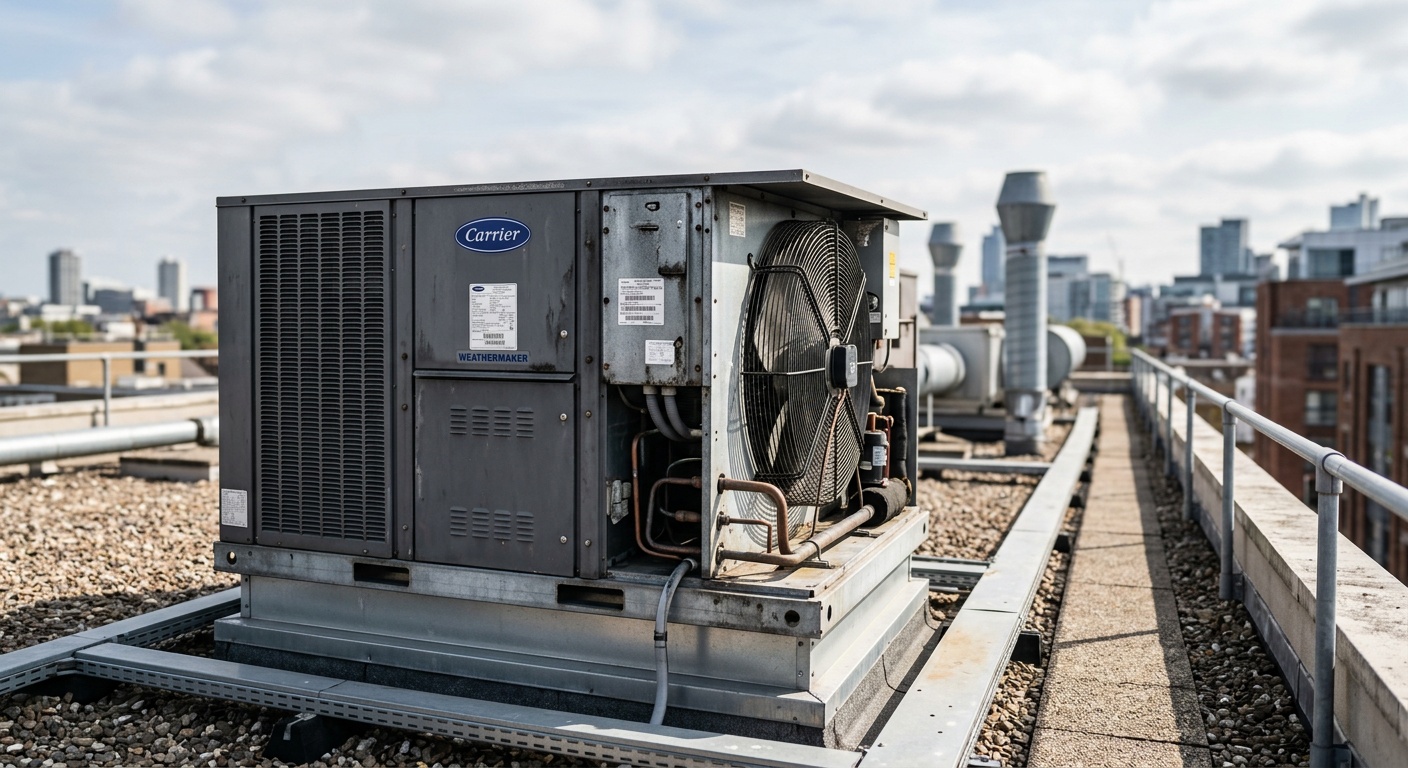
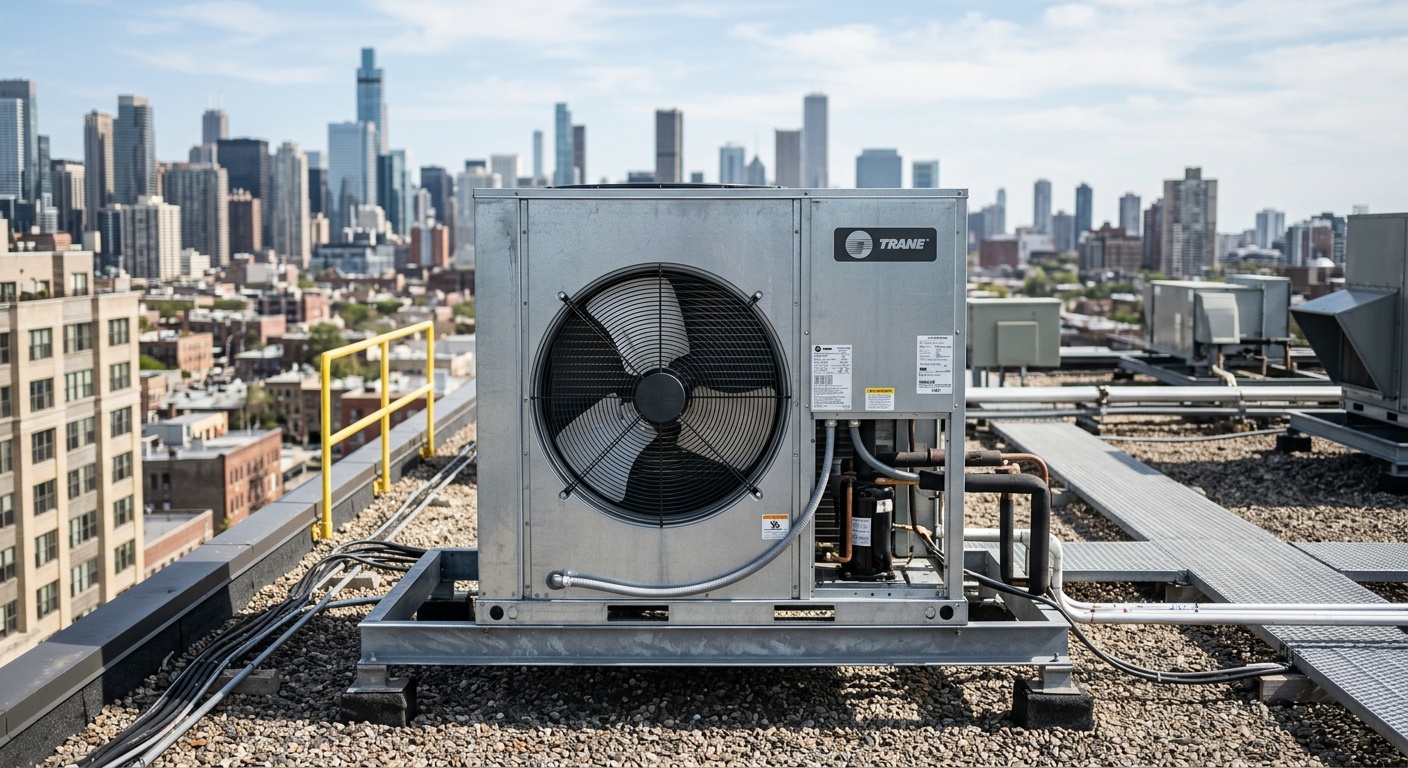
In Northern climates, a failing furnace is a serious concern. In Southern California, a failing air conditioning system is a safety issue. During the 2025 Southern California heat dome event, Los Angeles County recorded 23 heat-related deaths — the majority occurring in homes where cooling systems had failed or were severely undersized. When you’re inspecting a SoCal property, your HVAC system isn’t just a comfort feature; it’s life-safety infrastructure.
What a Thorough HVAC Inspection Covers
A qualified inspector should evaluate the following components during any Southern California home inspection:
- Age and Remaining Useful Life: Central air conditioning systems in high-heat zones typically last 12–15 years, compared to the national average of 15–20 years. Units in desert microclimates like Victorville or Palm Desert often see this compressed further to 10–12 years due to extreme operational loads.
- Refrigerant Type: Homes built before 2015 may still use R-22 refrigerant, which was phased out federally and commands premium replacement costs in 2026 (up to $150/lb where still available). Confirm the system uses R-410A or the newer R-32/R-454B refrigerants now common in new installations.
- Duct Integrity and Insulation: In attics that regularly reach 140–160°F during summer, poorly insulated ducts lose 20–30% of cooled air to heat gain before it ever reaches living spaces, according to a 2024 Lawrence Berkeley National Laboratory study.
- SEER2 Rating: California’s Title 24 energy standards, updated in 2023, require a minimum SEER2 rating of 14.3 for new AC installations in Southern California climate zones. Older units at SEER 8–10 are dramatically less efficient and signal higher utility costs ahead.
- Filter and Coil Condition: High desert areas generate significant dust. Dirty evaporator coils reduce efficiency by up to 30% and are an extremely common finding in SoCal inspections.
Pro Tip: Request that the inspector run the air conditioning system for a minimum of 15 minutes during the inspection and measure temperature differential between supply and return air. A properly functioning system should deliver a 16–22°F temperature drop. Anything less suggests refrigerant issues, airflow problems, or compressor degradation.
“In the Inland Empire, I inspect 3–4 homes every week where the AC system is the single most expensive deferred maintenance item. Buyers who overlook this often face a $8,000–$15,000 replacement within 18 months of purchase.” — Marcus Rivera, CREIA Certified Inspector, San Bernardino County (2026)
Roof, Exterior Walls, and Sun Damage
Southern California’s roofing challenges are unlike anywhere else. The combination of intense UV radiation, occasional Santa Ana wind events (gusts exceeding 80 mph in some canyon communities), and virtually zero regular rain to wash away debris creates a unique degradation pattern.
Roofing Materials Common in SoCal and Their Vulnerabilities
Concrete and Clay Tile Roofs — The most common roofing material in SoCal, these hold up well against UV but are vulnerable to cracking from thermal cycling and impact damage. An inspector should walk the roof (where safe) or use drone inspection to look for cracked, slipped, or missing tiles. Critically, the underlayment beneath the tiles — often a 30-year felt or synthetic material — degrades independently of the tiles themselves. In 2026, underlayment replacement on a tile roof typically runs $8,000–$18,000 depending on roof size.
Flat and Low-Slope Roofs — Extremely common in mid-century modern homes throughout Los Angeles, Palm Springs, and San Diego County. These roofs use modified bitumen or TPO membranes that are highly vulnerable to UV degradation and thermal cracking. Look for alligatoring (a crocodile-skin texture pattern), blistering, and standing water that suggests inadequate drainage.
Composition Shingle Roofs — Less common in SoCal but present in many 1950s–1980s tract homes. The intense UV environment ages these faster than manufacturer warranties anticipate. A 25-year shingle in Phoenix or inland SoCal may realistically perform for 18–20 years.
Stucco Exterior Walls: SoCal’s Most Common Problem Surface
Over 70% of Southern California single-family homes are clad in stucco — and stucco inspections require specific expertise. Common issues include:
- Cracks at window and door corners (high stress concentration points)
- Efflorescence (white salt staining) indicating moisture intrusion behind the stucco
- Soft or hollow sections indicating separation from the substrate
- Failed caulking around penetrations (hose bibs, electrical, HVAC lines)
In 2025, the California Building Industry Association noted that stucco moisture damage was the second most common disclosure issue in resale transactions across Los Angeles, Orange, and Riverside counties. Don’t skip a thorough stucco probe during inspection — a moisture meter and a systematic tap-test of suspicious areas is essential.
Foundation and Soil Issues Unique to SoCal
California sits on a complex network of fault systems, and foundation inspection in Southern California carries seismic considerations that don’t exist in most other markets. But beyond earthquake risk, the soil itself is a primary concern.
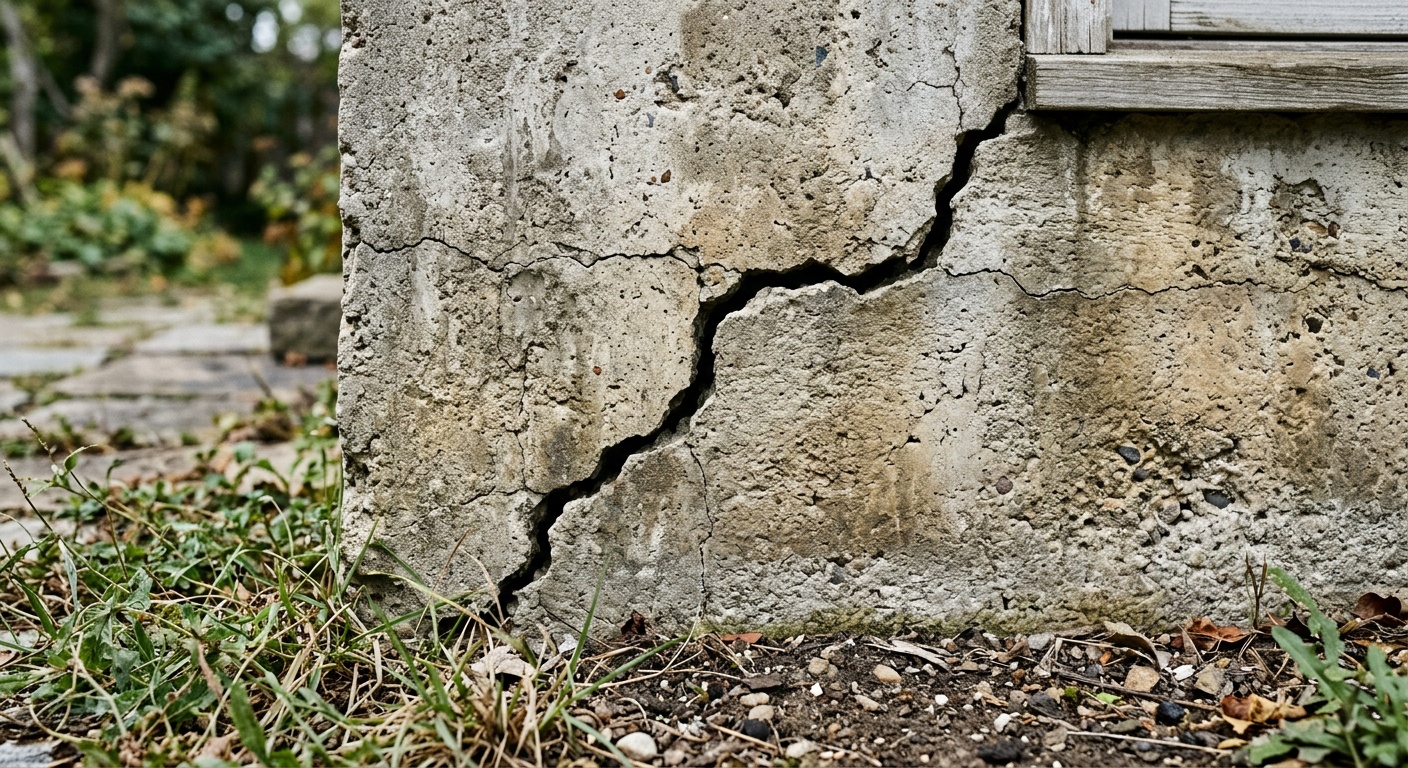
Expansive Clay Soils: Found extensively in communities across Riverside, San Bernardino, and Ventura counties, expansive clay soils swell when wet and shrink when dry. The prolonged drought conditions of the past decade, followed by heavy atmospheric river rainfall events (like those of January 2025), have caused significant foundation movement in many older homes. Signs include stair-step cracks in brick or block walls, doors and windows that stick or won’t close properly, and visible separation between the house and concrete flatwork.
Hillside and Canyon Properties: Extremely common throughout Los Angeles (Hollywood Hills, Bel Air, Malibu) and San Diego (Mission Hills, La Jolla). These homes often rely on caissons, deep piers, or engineered fill — all of which require specialized geotechnical review beyond a standard inspection. If you’re buying a hillside home, budget $1,500–$3,500 for a separate soils/geological engineer report in addition to your standard inspection.
Seismic Retrofitting: Homes built before 1980, particularly those with raised wood-frame foundations (cripple wall construction), benefit enormously from seismic retrofitting — bolting the mudsill to the foundation and bracing the cripple walls. California’s Earthquake Brace + Bolt program offered subsidies for this work through 2025; check current program availability in 2026 for your specific county.
Plumbing, Water Efficiency, and Drought Concerns
Water is Southern California’s most precious and most politicized resource. In 2026, with the Metropolitan Water District of Southern California still managing tiered pricing structures and mandatory conservation measures in some service areas, a home’s water infrastructure and efficiency directly impact both your utility bills and your compliance obligations.
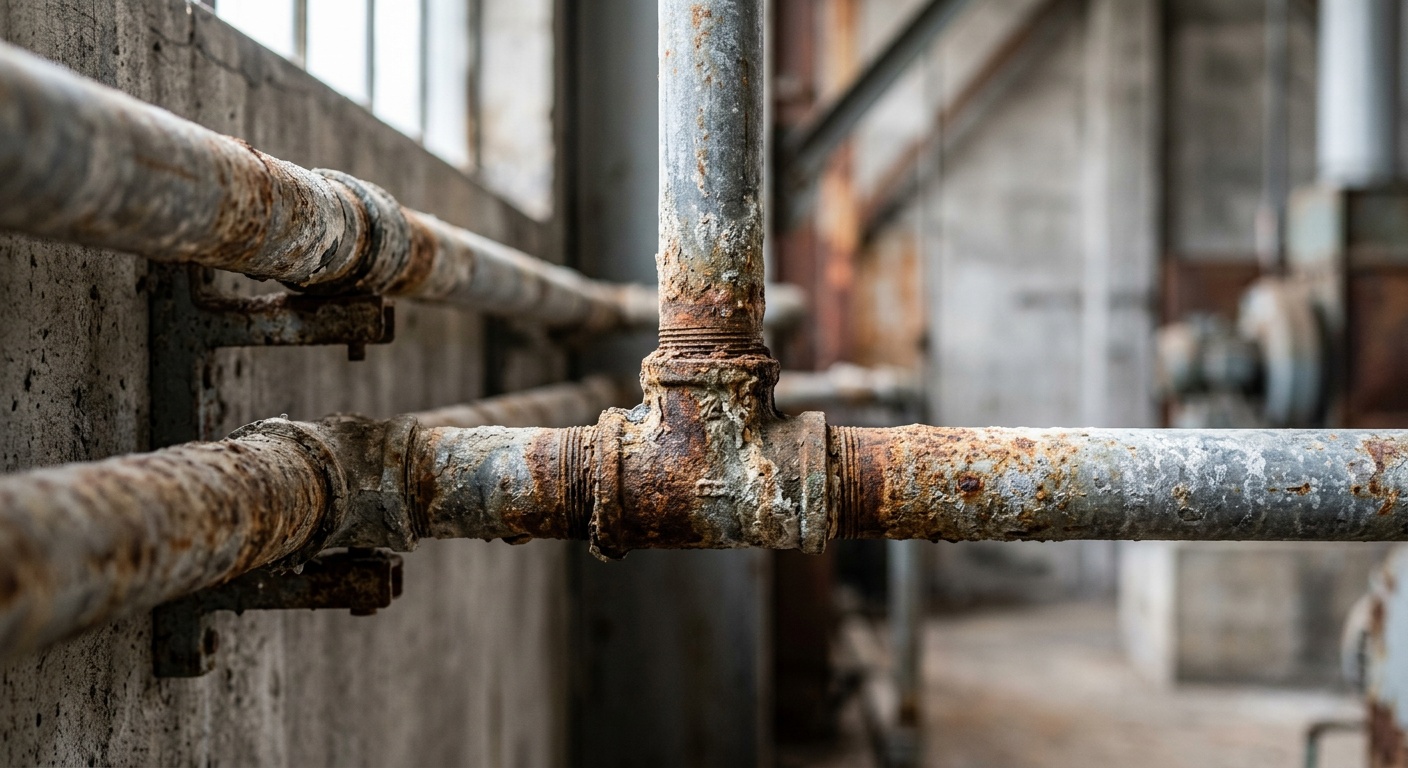
Aging Supply Lines: Homes from the 1960s–1980s may still have galvanized steel supply pipes, which corrode from the inside out and restrict flow. In hard-water areas (the Inland Empire has some of California’s hardest municipal water, at 300–400 mg/L total dissolved solids), scale buildup accelerates this degradation. Request that the inspector assess water pressure throughout the home — below 45 psi suggests supply restriction.
Water Heaters: Tankless water heaters have become the standard in new SoCal construction due to California’s Title 20 energy efficiency standards. However, many existing homes still have traditional tank water heaters. In hard-water areas, sediment buildup significantly reduces efficiency and lifespan — ask when the unit was last flushed and its age.
Irrigation Systems: Southern California’s landscaping culture means most homes have irrigation systems — and many were installed before mandatory water-efficient controller requirements took effect. Check for broken heads, overspray onto structures (a moisture intrusion risk), and whether the controller is compatible with weather-based smart scheduling, now required in many water districts.
Wildfire Risk and Fire-Resistant Features
No 2026 Southern California home inspection guide would be complete without addressing wildfire — the defining risk of our era. Following the devastating January 2025 Los Angeles wildfires that destroyed over 16,000 structures in the Palisades and Altadena areas, California fundamentally shifted its approach to home hardening requirements and insurance underwriting.
As of 2026, homes in High and Very High Fire Hazard Severity Zones (FHSZ) — which now cover approximately 2.5 million Southern California parcels — are subject to enhanced disclosure requirements and in many cases, mandatory retrofit standards before sale. Your inspector should evaluate:
- Roof Class: Class A fire-rated roofing (tile, metal, fire-retardant composition) is essential. Untreated wood shake roofs are essentially uninsurable in SoCal fire zones in 2026.
- Vent Screening: Ember intrusion through attic and foundation vents is a leading cause of home ignition during wildfires. Inspectors should check for 1/16-inch or smaller corrosion-resistant mesh screening on all vents.
- Deck and Eave Construction: Non-combustible or ignition-resistant materials on exterior decks, fascia, and soffits dramatically improve survivability. Many pre-2008 homes in fire zones have wood decking and fascia that no longer meet current standards.
- Defensible Space: While technically a landscaping issue, a thorough inspector will flag proximity of vegetation, wood fences connecting to the structure, and mulch buildup against foundation walls — all documented ignition pathways.
Case Study: A family purchasing a 1995 home in Glendora in late 2025 was surprised when their inspection revealed unscreened attic vents, a wood deck directly attached to the home’s exterior, and cedar shake accent siding on the gable ends — all flagged as fire risk concerns. The remediation cost approximately $12,000, but the sellers negotiated a credit. More importantly, the buyers were then able to secure homeowner’s insurance — something that had become increasingly difficult in that ZIP code without documented fire hardening measures.
Indoor Air Quality and Ventilation
In a climate where homes are sealed against heat for 5–6 months a year, indoor air quality takes on heightened importance. Southern California’s combination of wildfire smoke events, high ambient particulate matter (the South Coast Air Basin still struggles with PM2.5 levels that exceed federal standards on high-pollution days), and older building materials creates a layered indoor air challenge.
During your inspection, evaluate:
- Whole-Home Ventilation: ERV (Energy Recovery Ventilator) or HRV systems are increasingly common in newer SoCal construction and provide controlled fresh air exchange without losing conditioned air efficiency. Older homes that simply rely on operable windows have no mechanical fresh air strategy — a significant consideration during wildfire smoke events.
- Attic Ventilation: Inadequate attic ventilation traps extreme heat (140–160°F in summer), accelerating degradation of roofing materials, HVAC duct systems, and attic-stored belongings. Check that soffit and ridge venting is adequate for the attic square footage, following the 1:150 ratio standard.
- Combustion Appliances: Gas water heaters, furnaces, and stoves require proper venting. Carbon monoxide testing should be a standard part of any SoCal inspection — especially in older homes where gas appliances may have been improperly modified.
Regional Inspection Comparison: SoCal vs. Other U.S. Climate Zones
| Inspection Focus Area | Southern California | Pacific Northwest | Southeast (Humid) | Midwest |
|---|---|---|---|---|
| HVAC Priority | Critical (AC focus) | Moderate (heating) | High (AC + humidity) | High (heating) |
| Roof Lifespan | 10–18 yrs (UV/heat) | 20–25 yrs (moss risk) | 15–20 yrs (storm) | 20–30 yrs (ice/snow) |
| Foundation Risk | Expansive soil + seismic | Drainage/wet soil | Settlement (clay) | Frost heave |
| Water/Moisture Issue | Drought, hardness, irrigation | Excess moisture, mold | Mold, humidity | Basement flooding |
| Wildfire/Climate Risk | Very High | Moderate (growing) | Hurricane risk | Tornado risk |
Common Defects Found in SoCal Home Inspections (2025–2026 Data)
Based on aggregated inspection report data from the California Real Estate Inspection Association and independent regional inspectors, here are the most frequently identified defects in Southern California home inspections:
Source: CREIA Regional Data + Inspector Survey Aggregation, 2025–2026. Percentages represent share of inspected homes with one or more defects in each category.
Choosing the Right Inspector for a SoCal Hot-Climate Home
Not all inspectors are created equal — and in Southern California, the gap between a generalist and a climate-specialized inspector can mean tens of thousands of dollars in missed defects. Here’s how to vet your inspector effectively:
- Credentials: Look for CREIA membership, ASHI (American Society of Home Inspectors) certification, or InterNACHI certification. In 2026, California still does not license home inspectors at the state level, making voluntary certifications the primary quality signal.
- Local Experience: Ask specifically how many inspections the inspector has completed in the micro-market you’re buying in. An inspector who primarily works coastal areas may lack deep experience with inland desert construction.
- Thermal Imaging: A game-changer for SoCal inspections. Infrared cameras detect temperature differentials that reveal missing insulation, HVAC duct leaks in hot attics, and moisture intrusion behind stucco — none of which are visible to the naked eye.
- Drone Roof Inspection: For tile or steep-pitch roofs where walking would be hazardous, drone inspection with high-resolution imaging has become standard practice among top-tier SoCal inspectors.
- Sample Reports: Always request a sample report before hiring. A quality inspector delivers a detailed, photographed, narrative report — not a checklist with checkboxes. Expect 30–60 pages for a thorough SoCal home inspection.
Case Study: In 2025, a buyer in Irvine hired the cheapest inspector they could find — a $250 generalist who completed the inspection in under two hours. Four months after closing, they discovered a failed HVAC system requiring full replacement ($13,500), UV-degraded roof underlayment with active moisture intrusion ($11,000 repair), and poorly functioning attic ventilation. Total post-purchase surprises: $28,400. A climate-specialized inspector charging $550–$700 might have caught all three. The math is unambiguous.
Frequently Asked Questions
How much does a home inspection cost in Southern California in 2026?
Expect to pay $450–$750 for a standard single-family home inspection in most SoCal markets, with larger homes (3,000+ sq ft) and hillside properties reaching $800–$1,100. Adding thermal imaging typically runs an additional $150–$250, and sewer scope inspections (highly recommended for homes over 20 years old) add $175–$300. Specialized reports — geotechnical, wildfire risk assessments, pool/spa inspections — are additional. While this may seem like a significant upfront cost against a $700,000+ purchase, a comprehensive inspection is one of the highest-ROI decisions a buyer can make.
Are home inspections required by law in California?
No, California does not legally require a home inspection as a condition of sale. However, lenders financing through FHA or VA programs have their own property condition requirements that effectively function as minimum inspection standards. Regardless of financing type, waiving a home inspection in a competitive SoCal market is an extremely high-risk strategy — and one that consumer advocates strongly caution against. Notably, California’s Transfer Disclosure Statement (TDS) does require sellers to disclose known material defects, but this is not a substitute for independent inspection — sellers often don’t know what they don’t know about their own home’s condition.
What should I do if major defects are found during inspection?
Finding significant defects doesn’t automatically mean walking away — it means you have information to negotiate with. In 2026’s SoCal market, where inventory in many submarkets remains tight, buyers have several options: request that sellers complete repairs before close using licensed contractors, negotiate a price reduction that accounts for repair costs, request a closing cost credit, or in cases of truly material undisclosed defects, exercise your inspection contingency to exit the contract and recover your deposit. The key is getting precise contractor estimates for any major items found during inspection before deciding on your negotiating strategy. Your real estate agent and inspector can help you distinguish between normal wear-and-tear items and genuinely material defects that shift the deal’s value proposition.
Your SoCal Inspection Action Plan: Don’t Close Without It
Southern California homeownership is one of the most rewarding investments you can make — but only when you enter with clear eyes and complete information. The unique challenges of hot-climate construction, UV degradation, expansive soils, wildfire risk, and water scarcity make a specialized, thorough inspection not a formality but a genuine act of financial intelligence.
Here’s your concrete roadmap before you close:
- Hire a climate-specialized inspector — verify local experience, CREIA/ASHI credentials, and thermal imaging capability before booking.
- Budget for add-on inspections — sewer scope, pool/spa, geological assessment for hillside properties, and pest inspection are essential, not optional, in most SoCal transactions.
- Prioritize HVAC and roof — these two systems represent the greatest financial risk in hot-climate homes. If either is near end-of-life, build replacement costs into your offer negotiation.
- Verify fire zone status early — check your property’s FHSZ designation on the California Department of Forestry website before the inspection, so your inspector knows to apply heightened fire-hardening scrutiny.
- Read your report completely — schedule a 30-minute debrief call with your inspector after you’ve reviewed the report. Ask about priority hierarchy: what must be addressed immediately, what can wait, and what is simply cosmetic.
As California continues adapting to climate extremes, energy mandates, and insurance market volatility, the homes that hold their value — and keep their occupants safe and comfortable — will be those with strong bones, efficient systems, and documented fire resilience. Your inspection is the lens through which you see all of that clearly.
Here’s the question worth sitting with: If the inspection report came back tomorrow revealing $30,000 in deferred maintenance, would you know exactly what to do next? If your answer isn’t a confident yes, then go back to step one and make sure your inspector and your agent are people you trust completely. In Southern California real estate, preparation isn’t just an advantage — it’s the whole game.